
Dermoid Cyst Treatment in Istanbul: 6-Step Laparoscopic Approach & Ovarian Preservation
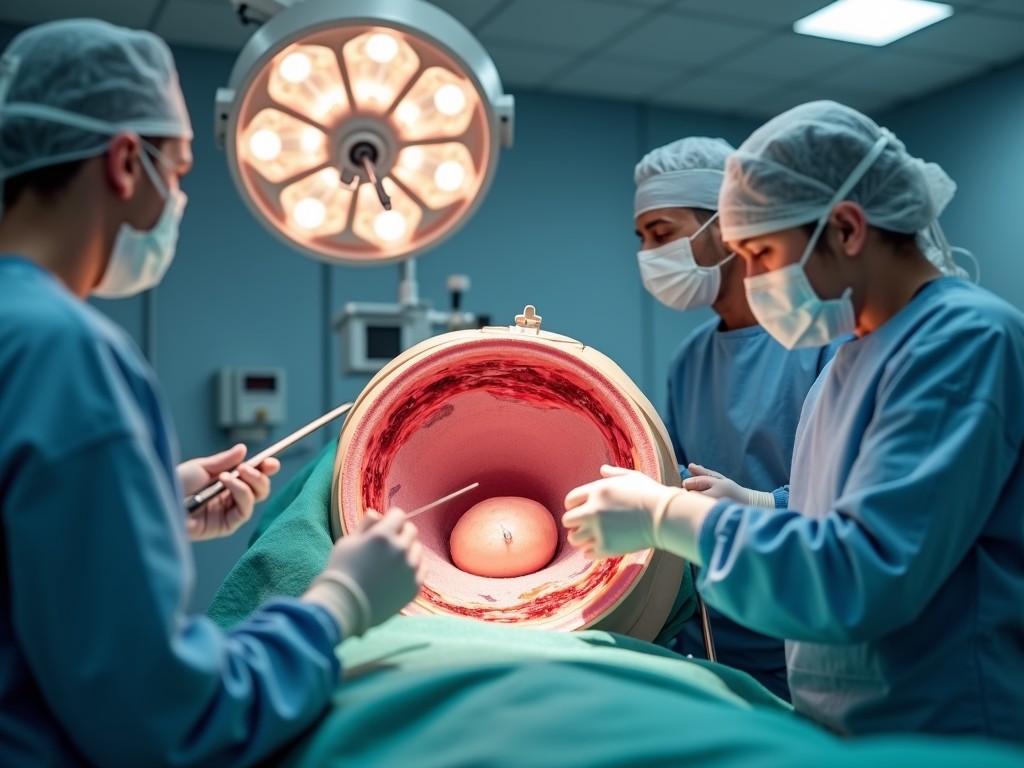
Dermoid cysts—also known as mature cystic teratomas—are common benign ovarian tumors that can cause significant discomfort and complications if left untreated. In Istanbul’s bustling medical scene, Prof. Dr. Hanifi Şahin has become a leading authority on diagnosing and surgically managing these cysts with a focus on preserving ovarian function. This guide explains what dermoid cysts are, how they’re diagnosed, the six-step laparoscopic treatment plan, and why ovarian preservation matters for future fertility.
What Is a Dermoid Cyst?
A dermoid cyst originates from embryonic germ cells that differentiate into various tissues—hair, skin, teeth, bone, and fat—within the ovary. While most are harmless, they can grow to 15 cm or more, causing pelvic pain, bloating, or even torsion (ovarian twisting). The risk of malignant transformation is low (≈1.4–2 %), but it increases with age, size, and rapid growth.
Key Symptoms to Watch For
- Pelvic or lower abdominal pain, especially if sudden and severe (possible torsion)
- Abdominal fullness or bloating from a large cyst
- Irregular menstrual cycles or hormonal disturbances
- Nausea, vomiting, or fever if infection or rupture occurs
- Unexplained weight loss or ascites in rare malignant cases
Diagnostic Work‑Up
Accurate diagnosis relies on imaging and laboratory tests:
- Transvaginal Ultrasound—first-line tool to assess size, internal echoes, and solid components.
- Magnetic Resonance Imaging (MRI)—provides detailed tissue characterization and rules out malignancy.
- Computed Tomography (CT)—used selectively for complex cases.
- Blood Tests—CA‑125, AFP, and other tumor markers help evaluate cancer risk.
- Pelvic Examination—physical assessment of cyst location and tenderness.
Prof. Dr. Şahin’s 6‑Step Laparoscopic Treatment Plan
1. Comprehensive Evaluation & Diagnosis
Using high‑resolution ultrasound and MRI, the surgeon determines cyst characteristics, patient age, and fertility goals.
2. Surgical Planning
Laparoscopy is chosen for its minimal invasiveness, reduced postoperative pain, and faster recovery. The plan includes precise port placement and strategies for ovarian preservation.
3. Laparoscopic Cystectomy
Small incisions allow insertion of an endoscope and instruments. The cyst is carefully dissected, placed in a retrieval bag, and removed intact—avoiding spillage of its contents.
4. Ovarian Preservation Techniques
During removal, healthy ovarian tissue is preserved. This is crucial for patients desiring future fertility or to prevent premature menopause.
5. Pathology Confirmation
The excised cyst is sent for histopathological analysis to confirm benign status and rule out malignancy.
6. Post‑operative Care & Follow‑up
Patients typically leave the hospital the same day or the next. Follow‑up visits at 1 week and 1 month monitor recovery, ovarian function, and any residual symptoms.
Why Ovarian Preservation Matters
Preserving ovarian tissue maintains hormonal balance and future fertility potential. For young women, this means:
- Reduced risk of early menopause
- Continued natural ovulation and menstrual cycles
- Higher chances of spontaneous conception or assisted reproduction success
Potential Complications & How They’re Minimized
- Torsion—prompt surgical intervention prevents ovarian loss.
- Chemical peritonitis—intact cyst removal eliminates spillage.
- Malignancy—pathology ensures early detection if it occurs.
- Infection—pre‑operative antibiotics and sterile technique reduce risk.
Frequently Asked Questions
Q: Can a dermoid cyst be left untreated?
Small, asymptomatic cysts may be monitored. However, growth, pain, or torsion warrants surgical removal.
Q: Is laparoscopic surgery safe for fertility?
Yes. Laparoscopy preserves ovarian tissue and has a low complication rate, making it ideal for women who wish to conceive later.
Q: How long does recovery take?
Most patients resume normal activities within 1–2 weeks. Heavy lifting and sexual activity are usually delayed for 4–6 weeks.
Q: What are the costs involved?
Costs vary by cyst size and hospital. Contact Prof. Dr. Şahin’s clinic at +90 538 469 81 61 for a personalized quote.
Conclusion
Dermoid cysts, while benign, can cause significant discomfort and threaten ovarian health if not addressed. Prof. Dr. Hanifi Şahin’s evidence‑based, 6‑step laparoscopic approach not only removes the cyst safely but also prioritizes ovarian preservation, ensuring patients maintain their hormonal balance and fertility potential. If you suspect a dermoid cyst or experience related symptoms, schedule a consultation with Prof. Dr. Şahin’s Istanbul clinic today for a thorough evaluation and personalized treatment plan.
Considering treatment in Türkiye?
Get a free consultation and cost estimate from verified specialists.