
Understanding and Managing Gas Pain: Causes, Symptoms, and Practical Relief Tips
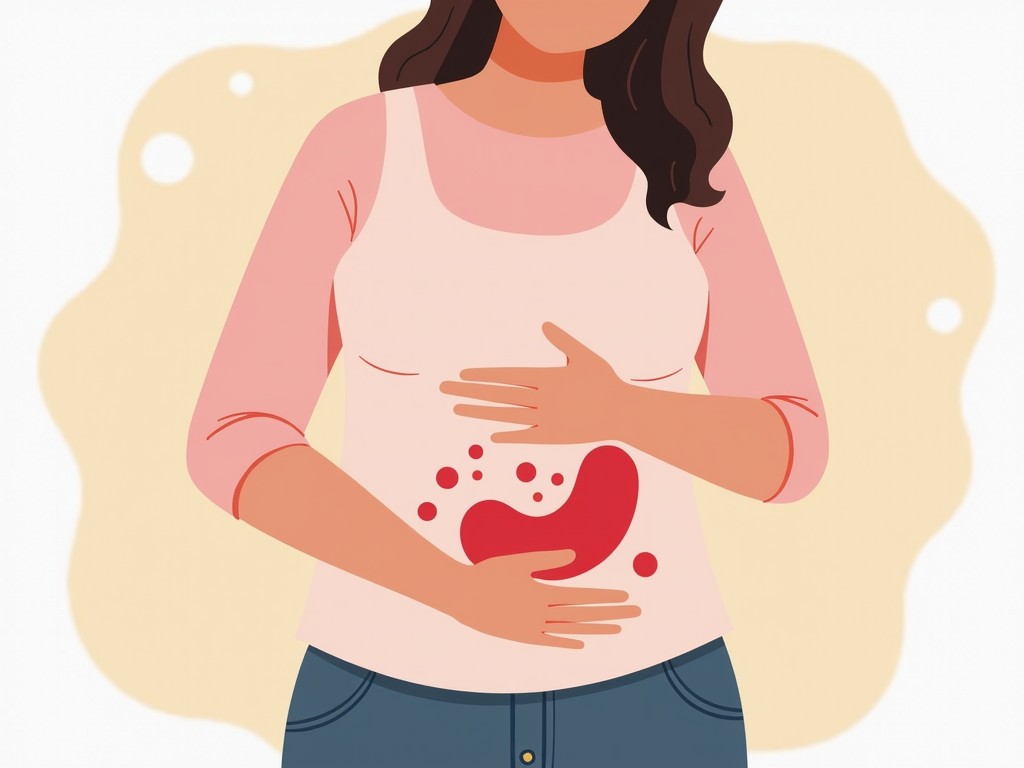
Gas pain, often described as bloating, cramping, or a feeling of fullness in the abdomen, is a common digestive complaint that can affect people of all ages. While it is usually harmless, persistent or severe gas pain can signal underlying health issues and disrupt daily life. This guide explores the root causes, key symptoms, and evidence‑based strategies to alleviate gas pain and improve gut comfort.
What Is Gas Pain and Why Does It Occur?
Gas pain arises when excess air or digestive gases build up in the stomach or intestines. The body normally releases gas through belching or flatulence, but when this process is impaired, pressure and discomfort develop. Common triggers include:
- Eating too quickly or talking while chewing
- Swallowing air (aerophagia) from chewing gum or drinking carbonated beverages
- High‑fiber foods that ferment in the gut
- Food intolerances such as lactose or gluten sensitivity
- Digestive disorders like irritable bowel syndrome (IBS), celiac disease, or inflammatory bowel disease (IBD)
- Lifestyle factors: sedentary habits, stress, and hormonal changes
Recognizing the Symptoms of Gas Pain
While bloating and abdominal discomfort are classic signs, gas pain can manifest in various ways:
- Cramping or sharp pain in the lower abdomen or groin area
- Visible abdominal distension or a “full” feeling
- Frequent belching or passing gas
- Heartburn or a burning sensation that may mimic indigestion
- Changes in bowel habits—diarrhea or constipation accompanying the pain
When to Seek Medical Attention
Most gas pain episodes resolve on their own, but persistent or worsening symptoms warrant a professional evaluation. Consider seeing a doctor if you experience:
- Severe abdominal pain that does not improve with over‑the‑counter remedies
- Blood in stool or vomit, or black, tarry stools
- Unexplained weight loss or loss of appetite
- Chronic bloating lasting more than a few days
- Symptoms that interfere with daily activities or sleep
Practical Ways to Relieve Gas Pain
Dietary Adjustments
- Eat smaller, more frequent meals to reduce the volume of food in the stomach at any one time.
- Limit high‑gas foods such as beans, lentils, broccoli, cabbage, onions, and carbonated drinks.
- Introduce low‑FODMAP foods if you suspect IBS or other functional gut disorders.
- Consider a lactose‑free or low‑lactose diet if dairy triggers symptoms.
- Keep a food diary to identify personal triggers.
Behavioral and Lifestyle Changes
- Chew food thoroughly and avoid talking while eating to reduce swallowed air.
- Limit chewing gum and sucking on hard candies.
- Incorporate regular physical activity—short walks after meals can stimulate digestion.
- Practice stress‑reduction techniques such as deep breathing, yoga, or meditation.
- Maintain a regular sleep schedule to support gut motility.
Home Remedies and Over‑the‑Counter Options
- Simethicone tablets can help break down gas bubbles.
- Activated charcoal capsules may absorb excess gas.
- Warm compresses or heating pads applied to the abdomen can relax muscles and ease cramping.
- Gentle abdominal massage in a clockwise direction can encourage gas passage.
- Herbal teas such as peppermint, ginger, or chamomile have mild antispasmodic effects.
Special Considerations for Children and the Elderly
Infants often experience gas pain due to immature digestive systems and frequent swallowing of air during feeding. Parents can soothe babies by gently massaging the belly, applying a warm cloth, or rocking the infant. For older adults, reduced gut motility and medication side effects can increase gas retention; a tailored diet and regular movement are essential.
Frequently Asked Questions (FAQ)
Can gas pain be a sign of a serious condition?
While most gas pain is benign, persistent or severe pain may indicate conditions such as IBS, celiac disease, or IBD. If symptoms persist, consult a healthcare professional for proper diagnosis.
Is it safe to take antacids for gas pain?
Antacids can relieve heartburn but may not address gas buildup. Use them only if you suspect acid reflux is contributing to your discomfort.
How long does it usually take for gas pain to subside?
Most episodes resolve within a few hours after passing gas or using over‑the‑counter remedies. Chronic or recurrent pain may require dietary changes or medical treatment.
Conclusion
Gas pain is a common, often manageable issue that can be effectively addressed through mindful eating, lifestyle adjustments, and targeted home remedies. By identifying personal triggers and adopting a proactive approach, you can reduce discomfort, improve digestive health, and regain control over your daily life. If symptoms persist or worsen, seek medical evaluation to rule out underlying conditions and receive personalized care.
Considering treatment in Türkiye?
Get a free consultation and cost estimate from verified specialists.