
Botox for Bruxism: How Masseter Botox Relieves Jaw Pain and Stops Teeth Grinding
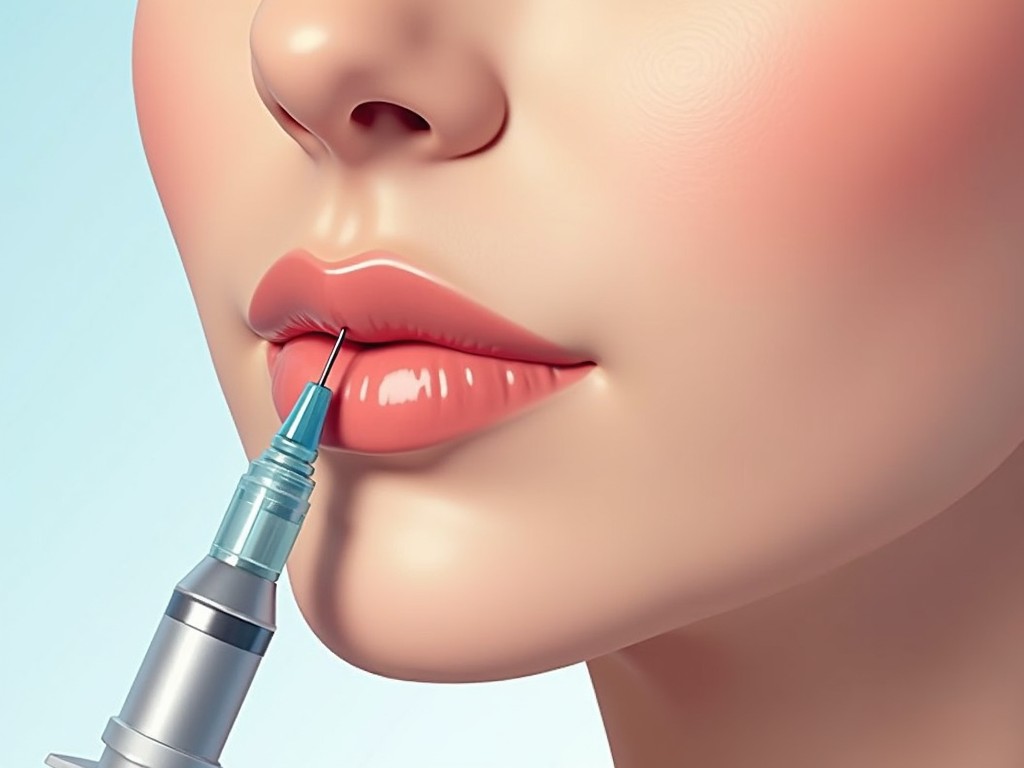
Do you wake up with a sore jaw, headaches, or a cracked tooth? You might be suffering from bruxism—an involuntary teeth‑grinding habit that can wreak havoc on your oral health and overall well‑being. While night guards and stress management are common first steps, many patients are turning to a faster, more targeted solution: Botox injections in the masseter muscle. In this guide, we’ll explore how Botox for bruxism works, its benefits, potential side effects, after‑care tips, and what to expect during the treatment.
What Is Bruxism and Why Does It Matter?
Bruxism is the medical term for the unconscious clenching or grinding of teeth, either during sleep or while awake. Over time, this repetitive force can lead to:
- Severe headaches and migraines
- Jaw muscle hypertrophy (thickening of the masseter)
- Dental wear, sensitivity, and fractures
- Temporomandibular joint (TMJ) disorders
- Reduced quality of life due to chronic pain
Traditional treatments—night guards, dental realignment, and lifestyle changes—can help, but they often require long‑term commitment and may not fully eliminate the problem. That’s where Botox comes in.
How Botox Works for Bruxism
Botulinum toxin type A (Botox) temporarily weakens the targeted muscle by blocking the release of acetylcholine at the neuromuscular junction. When injected into the masseter—the primary chewing muscle—Botox reduces muscle contraction, thereby:
- Decreasing the force of teeth grinding
- Alleviating jaw tension and pain
- Reducing the risk of tooth wear and TMJ damage
- Improving sleep quality by minimizing nocturnal clenching
Because the effect is temporary, repeat treatments are usually scheduled every 4–6 months, allowing patients to maintain relief without permanent alteration of muscle function.
What to Expect During a Masseter Botox Session
Preparation
Before the injection, your clinician will assess:
- Jaw muscle size and activity
- Dental alignment and occlusion
- Any underlying TMJ issues
- Medical history and medication use
The Injection Procedure
Using a fine needle, the practitioner injects a small dose of Botox into specific points along the masseter muscle. The procedure is quick—typically 10–15 minutes—and usually performed in an outpatient setting.
Immediate After‑Care
- Avoid rubbing or massaging the injection sites for 24 hours.
- Use lukewarm water for a shower; avoid hot or cold water on the face.
- Resume normal activities immediately—no need for downtime.
Onset and Duration of Effect
Patients often notice a reduction in jaw tension within 24 hours. Full therapeutic effect typically appears within 5–7 days, with the most pronounced relief occurring between 10 and 14 days post‑injection. The benefits gradually taper off over 4–6 months, at which point a repeat session can be scheduled.
Benefits of Masseter Botox for Bruxism
- Rapid onset of pain relief
- Non‑invasive and minimally uncomfortable
- No need for a custom night guard
- Reduces the risk of long‑term dental damage
- Can be combined with other therapies (e.g., stress management, physical therapy)
Potential Side Effects and Safety Profile
When administered by an experienced practitioner, Botox for bruxism is highly safe. Common, mild side effects include:
- Temporary bruising or swelling at the injection site
- Minor discomfort during or after the procedure
- Rarely, a slight reduction in chewing strength if too much toxin is used
These effects are usually short‑lived and resolve as the Botox’s action diminishes. Serious complications are exceedingly rare.
Cost Considerations
Pricing for masseter Botox varies based on several factors:
- Clinic location and reputation
- Practitioner’s experience
- Number of injection sites and dosage
- Patient’s overall health and treatment goals
In Ankara, for example, patients can expect to pay between USD 300–500 per session, but it’s best to consult directly for a personalized quote. Many clinics offer package deals for multiple sessions.
Frequently Asked Questions
Is Botox permanent?
No. The effects wear off after 4–6 months, allowing the muscle to regain normal function.
Can I still chew normally after treatment?
Yes. Botox weakens the muscle enough to reduce clenching but does not eliminate chewing ability.
Will I need a night guard after Botox?
Many patients find that Botox alone is sufficient, but some may still benefit from a night guard for added protection.
How many injections are needed?
Typically 2–4 injections per side of the jaw, depending on muscle size and severity of bruxism.
Conclusion
Bruxism can be a silent saboteur of dental health and daily comfort. While traditional approaches have their place, Botox offers a fast, effective, and minimally invasive option to relieve jaw pain, reduce tooth wear, and improve sleep quality. By targeting the masseter muscle directly, patients experience tangible relief within days, with the flexibility to repeat treatments as needed. If you’re tired of waking up with a sore jaw or worrying about dental damage, consider consulting a qualified practitioner about masseter Botox—your teeth and your well‑being may thank you.
Considering treatment in Türkiye?
Get a free consultation and cost estimate from verified specialists.