
Botox 2026: The Ultimate Guide to Safe, Effective Wrinkle Treatment
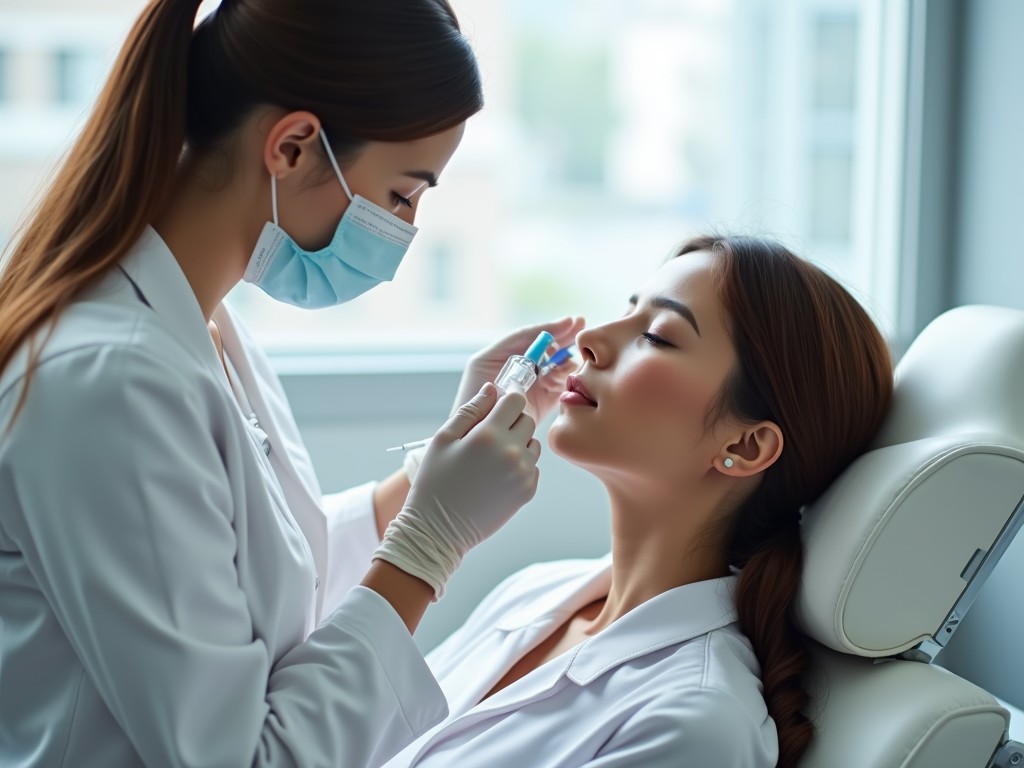
Botox has become the go-to solution for anyone looking to smooth fine lines, lift sagging skin, and regain confidence in their appearance. Whether you’re a first‑time patient or a seasoned injector, understanding how Botox works, where it can be applied, and what to expect after treatment is essential for achieving natural, long‑lasting results.
What Is Botox and How Does It Work?
Botox is a purified protein derived from the bacterium Clostridium botulinum. When injected in precise, low doses, it temporarily blocks the nerve signals that cause facial muscles to contract. With the muscle relaxed, the overlying skin smooths out, reducing the appearance of wrinkles and fine lines.
Because Botox only affects the targeted muscle group, it does not spread throughout the body. This localized action makes it a safe and effective option for cosmetic and medical uses alike.
Key Areas Botox Can Treat
Below is a comprehensive list of common facial and body areas where Botox is frequently applied:
- Forehead horizontal lines
- Glabellar lines (between the eyebrows)
- Crow’s feet (outer eye corners)
- Frown lines (inner eye corners)
- Upper lip lines (smile lines)
- Neck bands and platysmal lines
- Upper lip lift (for a more youthful smile)
- Under-eye hollows and bags (when combined with dermal fillers)
- Excessive sweating (hyperhidrosis) in underarms, hands, or feet
- Migraine relief (by relaxing scalp and neck muscles)
Why Botox Is a Popular Choice for Wrinkle Treatment
There are several reasons why Botox remains the most sought‑after wrinkle treatment:
- Quick Procedure: Most sessions last 10–15 minutes, making it easy to fit into a busy schedule.
- Minimal Downtime: Patients can resume normal activities immediately after treatment.
- Long‑Lasting Results: Effects typically begin within 3–10 days and can last 4–6 months.
- Safety Record: Approved by the FDA and used safely for over 19 years in cosmetic applications.
- Versatility: Effective for both aesthetic concerns and medical conditions such as hyperhidrosis and migraines.
Preparing for Your Botox Treatment
To ensure a safe and successful outcome, follow these pre‑procedure guidelines:
- Schedule a consultation with a board‑certified dermatologist or plastic surgeon.
- Avoid alcohol, aspirin, and non‑steroidal anti‑inflammatory drugs (NSAIDs) 24–48 hours before the appointment to reduce bruising.
- Inform your provider of any medications, supplements, or medical conditions.
- Use a topical anesthetic cream if you have a low pain threshold.
What Happens During the Injection?
Botox is administered with a fine needle. The injector will:
- Clean the skin with an antiseptic solution.
- Apply a small amount of anesthetic cream if needed.
- Inject the precise dosage into the targeted muscle(s).
- Apply gentle pressure to minimize swelling.
Most patients experience only a brief, mild discomfort during the injection.
Post‑Treatment Care and Expected Side Effects
After the procedure, you may notice:
- Temporary headache or mild swelling.
- Redness or bruising at the injection site.
- Headache that usually resolves within a day.
To promote healing, avoid:
- Massaging the treated area for 3 days.
- Excessive facial movements or strenuous exercise for 48–72 hours.
- Applying makeup or harsh skincare products immediately after treatment.
Most side effects are mild and resolve within a week.
Frequently Asked Questions (FAQ)
1. How long does Botox last?
Results typically last 4–6 months. Some patients may experience longer durations with repeated treatments.
2. Is Botox safe for everyone?
Botox is safe for most adults, but it is contraindicated in individuals with certain neuromuscular disorders or those taking specific medications. A thorough medical history is essential.
3. Can Botox be combined with other cosmetic procedures?
Yes. Botox is often paired with dermal fillers, chemical peels, or laser treatments for comprehensive rejuvenation.
4. Will I look frozen after Botox?
When administered by an experienced injector, Botox preserves natural facial expressions. Over‑injection can lead to a “frozen” look, so dosage and technique are critical.
Conclusion: Botox—A Smart Investment in Your Confidence
Botox offers a safe, minimally invasive way to smooth wrinkles, lift sagging skin, and address medical concerns such as hyperhidrosis and migraines. With a quick procedure, minimal downtime, and results that can last up to six months, it’s no wonder Botox remains the most popular wrinkle treatment worldwide. If you’re considering Botox, consult a qualified professional to discuss your goals, receive a personalized treatment plan, and start your journey toward a refreshed, confident you.
Considering treatment in Türkiye?
Get a free consultation and cost estimate from verified specialists.