
Uterine Fibroids: Comprehensive Guide to Diagnosis, Treatment, and Fertility Preservation
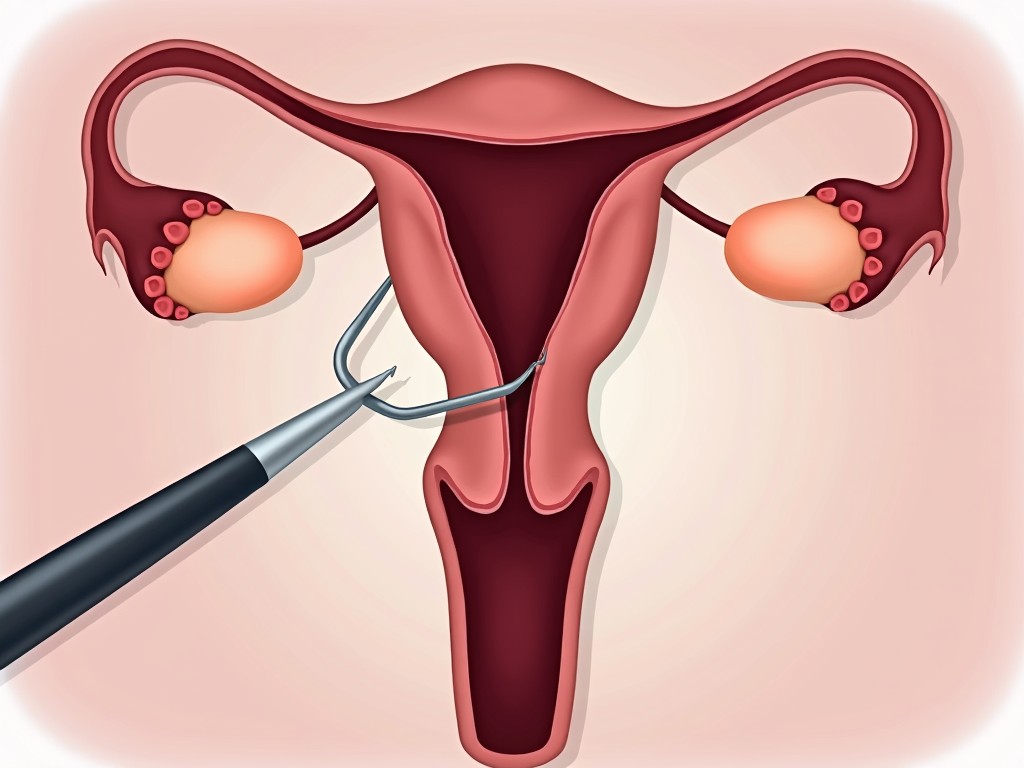
Uterine fibroids (also known as leiomyomas) are the most common benign tumors in women of reproductive age. While many fibroids remain silent, others can cause significant pain, heavy bleeding, and fertility problems. This guide offers a detailed, evidence‑based overview of fibroid causes, symptoms, diagnostic methods, and the full spectrum of treatment options—from medication to minimally invasive procedures and surgery—so you can make an informed decision about your health.
What Are Uterine Fibroids?
Fibroids are non‑cancerous growths that arise from the smooth muscle layer of the uterus. They can range from a few millimeters to several centimeters and may appear as a single mass or multiple nodules. Although they are benign, their size and location can distort the uterine cavity, leading to a variety of clinical symptoms.
Why Do Fibroids Develop?
The exact cause of fibroids remains unclear, but several risk factors have been identified:
- Hormonal influence: Estrogen and progesterone stimulate fibroid growth; levels decline after menopause, often causing shrinkage.
- Genetic predisposition: A family history of fibroids increases risk.
- Age: Most common between 30–40 years old.
- Obesity: Excess weight disrupts hormone balance.
- Early menarche: Early onset of menstruation raises lifetime exposure to estrogen.
- Dietary habits: High consumption of red meat, alcohol, and caffeine may elevate risk.
- Connective tissue changes: Alterations in the extracellular matrix can promote fibroid growth.
Key Symptoms of Fibroids
Not all fibroids cause symptoms, but when they do, the most common complaints include:
- Heavy, prolonged menstrual bleeding (10–20 days)
- Menstrual irregularities and spotting between periods
- Pelvic or lower back pain
- Abdominal distension or a palpable mass
- Pain during intercourse (dyspareunia)
- Frequent urination or urinary retention
- Constipation or rectal pressure
- Recurrent miscarriages or infertility
When Fibroids Become a Medical Emergency
Although rare, fibroid degeneration can cause sudden, severe abdominal pain, fever, and vaginal bleeding. This situation requires immediate medical attention.
Diagnosing Fibroids
Diagnosis typically begins with a routine pelvic exam. Imaging studies provide detailed information about size, number, and location:
- Ultrasound (USG): First‑line, non‑invasive, and cost‑effective.
- Magnetic Resonance Imaging (MRI): Offers superior detail, especially for multiple or deep‑seated fibroids.
Fibroids During Pregnancy
Fibroids can grow during pregnancy, potentially leading to:
- Preterm labor
- Cesarean delivery
- Placental abruption
- Increased miscarriage risk
Women planning pregnancy should discuss fibroid management with their obstetrician, particularly if submucosal fibroids are present.
Treatment Options for Fibroids
1. Medical Management
Medications can reduce bleeding and shrink fibroids temporarily but do not provide a permanent cure. Common options include:
- Hormonal contraceptives (pills, patches, IUDs)
- Gonadotropin‑releasing hormone (GnRH) agonists
- Tranexamic acid for heavy bleeding
Side effects, bone density loss, and cost are important considerations.
2. Minimally Invasive Procedures
These techniques preserve the uterus and offer quicker recovery:
- Uterine Artery Embolization (UAE): Blocks blood supply to fibroids, causing shrinkage.
- Trans‑vaginal Radiofrequency Ablation (SONATA): Delivers energy to fibroid tissue without incisions.
- High‑Intensity Focused Ultrasound (HIFU): Uses focused sound waves to ablate fibroid tissue.
While effective, these methods may require repeat treatment and can affect fertility in some cases.
3. Surgical Options
Myo‑tomy (Fibroid Removal)
Preserves the uterus and is ideal for women desiring future pregnancies. Techniques include:
- Open myomectomy
- Laparoscopic myomectomy
- Robotic myomectomy
Hysterectomy (Uterus Removal)
Definitive treatment for women who have completed childbearing or have fibroids that are too large or numerous for other methods.
Impact on Fertility
Fibroids can interfere with implantation, placental development, and uterine contractility. Myomectomy improves pregnancy rates, whereas UAE may slightly increase miscarriage risk. Discuss fertility goals with your provider before choosing a treatment.
Frequently Asked Questions
- Do fibroids turn into cancer? No, fibroids are benign and rarely transform into malignant tumors.
- Can fibroids prevent pregnancy? Not all fibroids affect fertility, but those that distort the uterine cavity can reduce pregnancy chances.
- How long does fibroid bleeding last? Bleeding can extend up to 10–20 days in fibroids close to the uterine lining.
- What happens if fibroids are left untreated? They may grow, causing anemia, pain, and infertility.
Conclusion
Uterine fibroids are common but manageable. The choice of treatment—medical, minimally invasive, or surgical—depends on symptom severity, fibroid characteristics, age, and reproductive plans. Early diagnosis and personalized care can alleviate symptoms, preserve fertility, and improve quality of life. If you suspect you have fibroids, consult a gynecologist for a thorough evaluation and tailored treatment plan.
Considering treatment in Türkiye?
Get a free consultation and cost estimate from verified specialists.