
Jaw Misalignment Treatment: Which Department Should You Visit?
Introduction
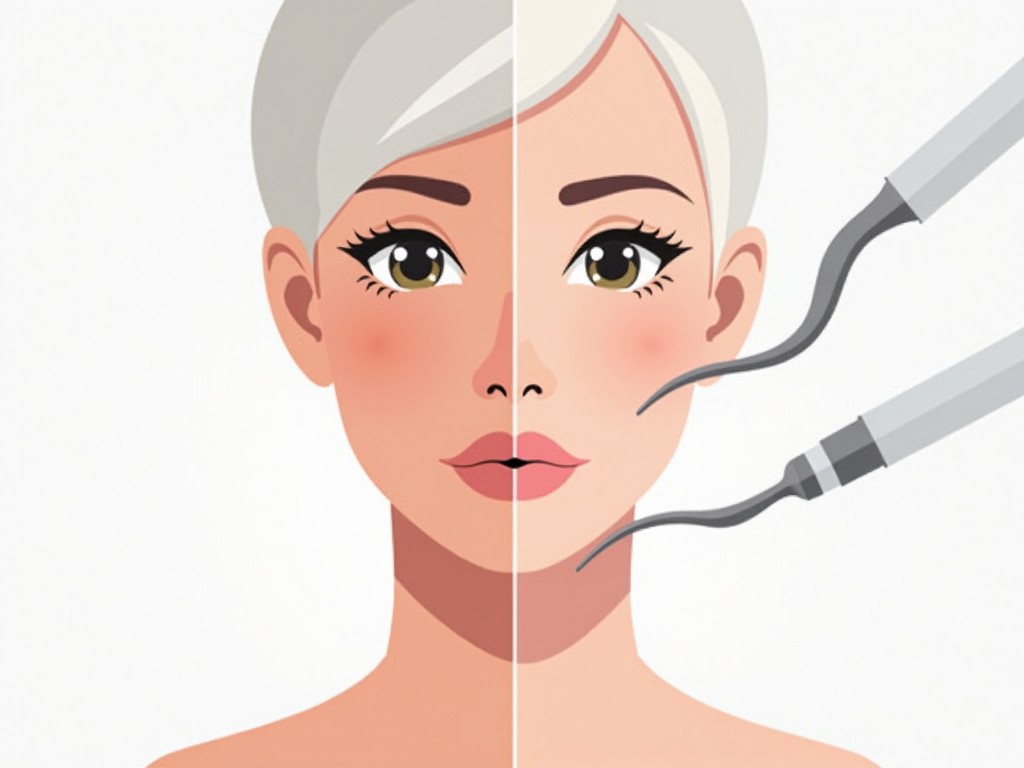
Jaw misalignment—commonly known as a crooked or displaced jaw—can affect more than just your smile. It can interfere with chewing, speaking, and even sleep, leading to chronic pain and reduced quality of life. If you notice facial asymmetry, bite problems, or jaw discomfort, you might be wondering: Which department should I go to for jaw misalignment? The answer lies in a specialized field that blends dentistry, orthodontics, and surgery: the Oral, Maxillofacial, and Jaw Surgery department.
Understanding Jaw Misalignment
What Is Jaw Misalignment?
Jaw misalignment occurs when the upper (maxilla) or lower (mandible) jaw deviates from its normal position, creating an asymmetrical appearance. This condition can be congenital or develop later in life due to trauma, growth disturbances, or temporomandibular joint (TMJ) disorders.
Common Symptoms
- Facial asymmetry visible in photographs or mirror reflections
- Misaligned teeth or an uneven bite
- Difficulty closing the mouth or an open bite
- TMJ pain, ear pressure, or clicking sounds during jaw movement
- Limited jaw mobility, speech difficulties, or chewing problems
Why Early Diagnosis Matters
Untreated jaw misalignment can worsen over time, leading to:
- Progressive facial imbalance
- Increased TMJ dysfunction and chronic pain
- Muscle strain in the neck and shoulders
- Sleep apnea or breathing issues
Prompt evaluation by a qualified specialist can prevent these complications and improve both function and aesthetics.
Which Department Should You Visit?
Oral, Maxillofacial, and Jaw Surgery
The primary destination for diagnosing and treating jaw misalignment is the Oral, Maxillofacial, and Jaw Surgery department. Specialists in this field are trained to:
- Perform comprehensive assessments of jaw structure and function
- Use imaging (CBCT, MRI, X‑ray) to map bone and joint anatomy
- Develop individualized treatment plans that may include orthodontics, physical therapy, or surgery
- Coordinate care with orthodontists, dentists, and other specialists for a multidisciplinary approach
In many cases, the first step is a thorough evaluation by a maxillofacial surgeon, who will determine whether non‑surgical or surgical intervention is appropriate.
Treatment Options Overview
1. Orthodontic Therapy
For mild to moderate misalignments, braces or clear aligners can reposition teeth and improve bite alignment. This often reduces the appearance of jaw deviation and restores function.
2. Physical Therapy
Targeted exercises strengthen jaw muscles and improve joint mobility. Physical therapy is especially useful for patients with TMJ pain or mild displacement.
3. Surgical Correction
When the misalignment is severe or orthodontics alone is insufficient, surgical options are considered:
- Maxillary Osteotomy – repositioning the upper jaw
- Mandibular Osteotomy – repositioning the lower jaw
- Genioplasty (chin surgery) – reshaping the chin to balance facial proportions
- Use of titanium plates, screws, or implants to stabilize bone segments
Surgeries typically take 2–4 hours, with recovery ranging from 6 to 12 weeks.
Choosing the Right Surgeon
Success in jaw misalignment treatment hinges on selecting an experienced surgeon. Look for:
- Board certification in oral and maxillofacial surgery
- Proven track record of successful outcomes
- Positive patient testimonials and before‑after case studies
- Transparent communication about risks, benefits, and expected results
Prof. Dr. Celal Çandırlı is a notable example, known for high success rates and comprehensive care in jaw surgery.
Frequently Asked Questions
Q: Is jaw misalignment purely an aesthetic issue?
A: No. While it can affect appearance, it also impacts chewing, speaking, and can lead to TMJ disorders, headaches, and sleep problems.
Q: Can orthodontics alone fix a crooked jaw?
It depends on severity. Mild cases often improve with braces or aligners, but moderate to severe misalignments usually require surgical intervention.
Q: What is the recovery time after jaw surgery?
Recovery typically takes 6–12 weeks, but the exact timeline varies based on the procedure and individual healing.
Q: Are there non‑surgical alternatives?
Physical therapy and orthodontic treatment can help, but they may not fully correct significant structural deviations.
Conclusion
Jaw misalignment is a complex condition that affects both function and aesthetics. The key to effective treatment is early, specialized care from an Oral, Maxillofacial, and Jaw Surgery department. Whether you need orthodontics, physical therapy, or surgery, a multidisciplinary team can tailor a plan that restores balance, improves quality of life, and gives you confidence in your smile.
Don’t wait—consult a qualified maxillofacial surgeon today to explore your options and start the journey toward a healthier, more symmetrical jaw.
Considering treatment in Türkiye?
Get a free consultation and cost estimate from verified specialists.