
Bruxism Explained: Causes, Symptoms, Diagnosis, and Treatment for Teeth Grinding
Introduction
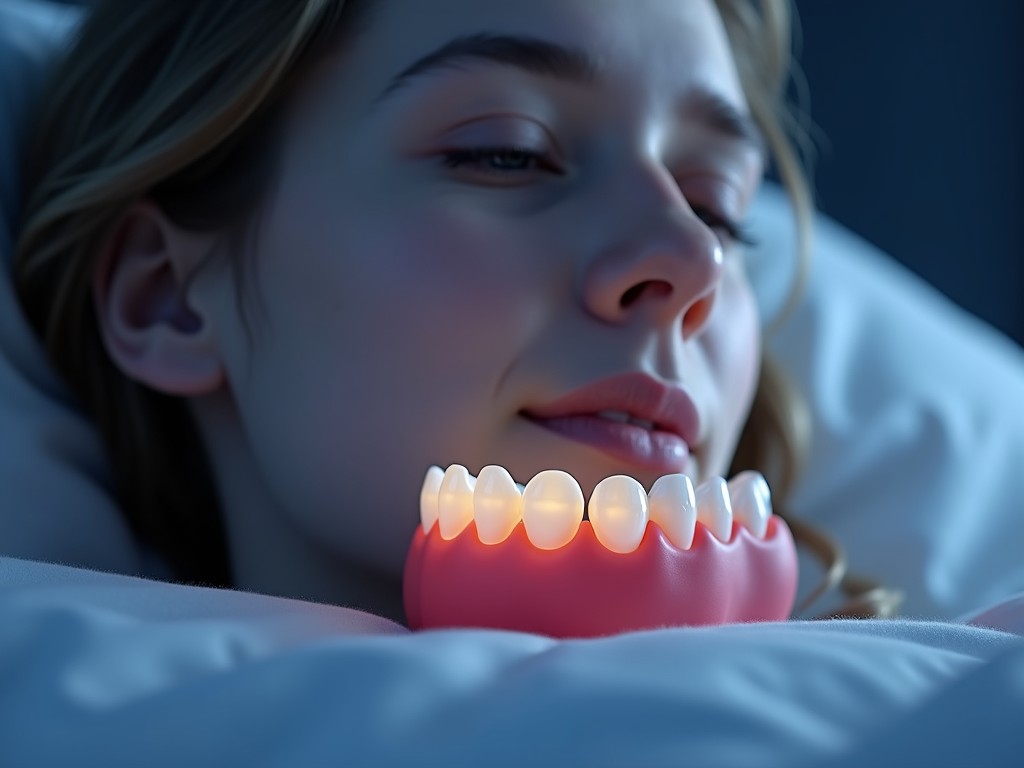
Have you ever woken up with a sore jaw, a dull headache, or noticed that your front teeth look worn? These could be early signs of bruxism, the medical term for teeth grinding and clenching. While many people think it only happens during sleep, bruxism can also occur while you’re awake, often linked to stress or anxiety. Understanding the root causes, recognizing the symptoms, and knowing the treatment options can help you protect your teeth and improve your quality of life.
What Is Bruxism?
Bruxism is a condition where the teeth are repeatedly clenched or gritted together, or the jaw is pressed tightly. It can happen during sleep (sleep bruxism) or while awake (awake bruxism). The two forms have different triggers and may require distinct management strategies.
Sleep vs. Awake Bruxism
- Sleep bruxism often occurs during the rapid eye movement (REM) stage of sleep and can be influenced by sleep disorders such as sleep apnea.
- Awake bruxism is usually a response to stress, anxiety, or concentration, and can be triggered by habits like chewing gum or biting nails.
Why Does Bruxism Happen?
The exact cause of bruxism is not fully understood, but several factors are commonly associated:
- Psychological factors: anxiety, anger, frustration, and high stress levels.
- Physical factors: misaligned teeth, abnormal bite, or certain neurological conditions.
- Lifestyle habits: excessive caffeine, alcohol, smoking, or chewing gum.
- Medications: some antidepressants and antipsychotics can increase muscle activity.
- Genetics: a family history of bruxism can raise the risk.
- Other health conditions: Parkinson’s disease, ADHD, reflux, and sleep disorders.
Recognizing the Symptoms
Bruxism can manifest in various ways. Pay attention to the following signs:
- High‑volume grinding noises that wake you or your partner.
- Jaw, face, or neck pain, especially after waking up.
- Visible wear on teeth: flattened surfaces, chips, or cracks.
- Stiff or locked jaw that makes chewing difficult.
- Headaches, ear pain, or tinnitus.
- Inflamed or sore inner cheeks.
- Sleep disturbances or feeling unrested.
Diagnosing Bruxism
Diagnosis typically involves a comprehensive dental exam and a review of your medical history. Your dentist may ask about:
- Sleep patterns and any snoring or apnea symptoms.
- Daily stressors and coping mechanisms.
- Medication use and lifestyle habits.
- Any existing dental issues such as missing or misaligned teeth.
In some cases, a sleep study or referral to a sleep specialist may be recommended to rule out sleep apnea or other disorders.
Treatment Options
Effective bruxism management focuses on addressing the underlying cause and protecting the teeth. Common approaches include:
- Behavioral therapy: stress‑reduction techniques, mindfulness, and relaxation exercises.
- Dental appliances: custom night guards or mouth guards to cushion the teeth.
- Medication: muscle relaxants or short‑term antidepressants for severe cases.
- Physical therapy: jaw exercises and biofeedback to improve muscle control.
- Lifestyle changes: reducing caffeine, alcohol, and nicotine intake; quitting smoking; limiting gum chewing.
- Medical treatment: addressing underlying conditions such as reflux or sleep apnea.
- Restorative dentistry: crowns, bridges, or veneers to repair damaged teeth.
Preventing Bruxism
Prevention is key to avoiding long‑term damage. Here are practical steps you can take:
- Practice good sleep hygiene: maintain a regular bedtime, create a calm sleeping environment.
- Use a custom night guard if you grind at night.
- Incorporate relaxation techniques such as deep breathing, yoga, or meditation.
- Limit stimulants: cut back on coffee, tea, and energy drinks.
- Seek professional help if you notice persistent jaw pain or headaches.
- Regular dental check‑ups to monitor tooth wear and bite alignment.
Long‑Term Effects of Untreated Bruxism
When left untreated, bruxism can lead to:
- Severe tooth wear and loss.
- Temporomandibular joint (TMJ) disorders.
- Chronic headaches and migraines.
- Ear pain and tinnitus.
- Reduced chewing efficiency and nutritional issues.
- Altered facial aesthetics, such as a square jaw.
Frequently Asked Questions
1. What happens if bruxism is not treated?
Untreated bruxism can cause irreversible tooth damage, TMJ disorders, chronic pain, and sleep disturbances.
2. Is bruxism purely psychological?
Bruxism has psychological, physical, and genetic components. Stress and anxiety are common triggers, but other factors also play a role.
3. Which specialist should I see?
Start with a dentist. Depending on the cause, you may be referred to a sleep specialist, psychologist, or oral surgeon.
4. Can bruxism change my facial shape?
Long‑term grinding can enlarge the jaw muscles, leading to a more square or pronounced facial profile.
5. What is bruxism botox?
Botox injections into the masseter muscle can reduce muscle activity, thereby decreasing grinding and associated pain.
Conclusion
Bruxism is more than just a nighttime nuisance; it can have serious dental and health consequences if ignored. By recognizing the signs early, seeking professional evaluation, and adopting a comprehensive treatment plan, you can protect your teeth, relieve pain, and improve your overall well‑being. If you suspect you’re grinding your teeth, schedule an appointment with a qualified dentist today and take the first step toward a healthier smile.
Considering treatment in Türkiye?
Get a free consultation and cost estimate from verified specialists.