
Understanding PCOS: Symptoms, Causes, Diagnosis & Treatment Guide
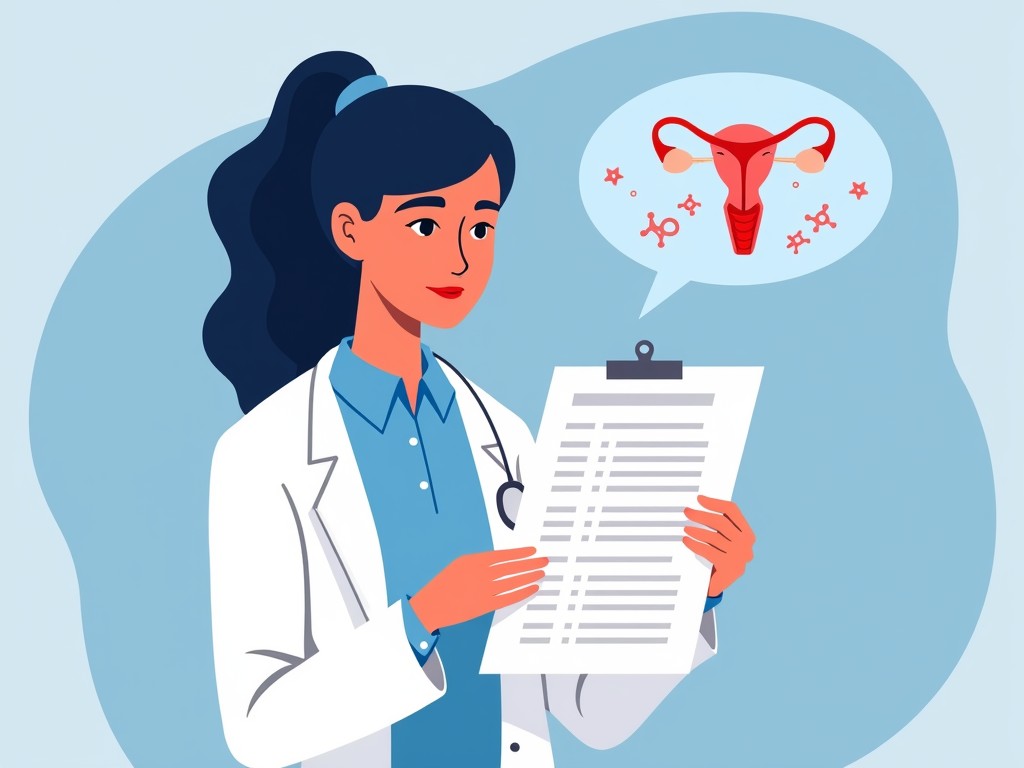
Polycystic Ovary Syndrome (PCOS) is one of the most common endocrine disorders affecting women of reproductive age. In Gebze, a bustling industrial hub in Kocaeli, the prevalence of PCOS is rising due to lifestyle, environmental, and genetic factors. This guide provides a comprehensive overview of PCOS—its symptoms, causes, diagnostic criteria, and evidence‑based treatment options—tailored for women living in Gebze and surrounding areas.
What Is PCOS and Why It Matters in Gebze
PCOS is characterized by irregular or absent ovulation, elevated androgen levels, and polycystic ovaries visible on ultrasound. While the term “cyst” is misleading—most women do not have true cysts—PCOS reflects a complex hormonal imbalance that can affect fertility, metabolism, and mental health.
In Gebze, factors such as shift work, high‑stress environments, and exposure to industrial pollutants can exacerbate insulin resistance and hormonal dysregulation, increasing the risk of PCOS. Early recognition and management are essential to prevent long‑term complications like type 2 diabetes, cardiovascular disease, and endometrial cancer.
Key Symptoms to Watch For
PCOS presents differently in each woman, but common signs include:
- Irregular periods or amenorrhea (no periods)
- Excess facial or body hair (hirsutism)
- Acne and oily skin
- Hair thinning or male‑pattern baldness
- Weight gain, especially around the abdomen
- Difficulty conceiving
- Increased cravings for sweets due to insulin resistance
- Fatigue, depression, or anxiety
These symptoms often begin in adolescence or after childbirth, but they can also appear later in life.
Root Causes: Genetics, Insulin Resistance, and Environment
Genetic Predisposition
Women with a family history of PCOS have a higher risk. Genetic factors can disrupt hormone regulation and ovulation.
Insulin Resistance
Insulin resistance is the most common trigger. When cells fail to respond to insulin, the pancreas produces more insulin, which in turn stimulates the ovaries to produce excess androgens. This hormonal surge leads to the classic PCOS symptoms.
Obesity and Lifestyle
Obesity, especially central obesity, worsens insulin resistance. In Gebze, irregular sleep patterns, high stress, and unhealthy diets are common among office and factory workers, contributing to weight gain and hormonal imbalance.
Environmental Factors
Industrial pollutants, air pollution, and chemical exposure can interfere with endocrine function. Additionally, lifestyle habits such as smoking, alcohol consumption, and lack of physical activity further increase PCOS risk.
Diagnosing PCOS: The Rotterdam Criteria
Diagnosis requires at least two of the following three criteria:
- Irregular ovulation or menstrual cycles
- Clinical or biochemical hyperandrogenism (elevated testosterone, DHEAS, etc.)
- Polycystic ovaries on ultrasound (≥12 follicles or increased ovarian volume)
Other conditions—such as thyroid disease, hyperprolactinemia, or Cushing’s syndrome—must be ruled out. A comprehensive evaluation includes:
- Hormone panel: LH, FSH, total testosterone, DHEAS, androstenedione
- Metabolic tests: fasting glucose, OGTT, HOMA‑IR, lipid profile, HbA1c
- Pelvic ultrasound
Treatment Options: Lifestyle, Medications, and Fertility Support
1. Lifestyle Modifications
Even a modest weight loss of 5–10% can restore ovulation and improve insulin sensitivity. Recommendations for Gebze residents include:
- Low‑glycemic, plant‑based diet rich in vegetables, whole grains, and lean proteins
- Regular aerobic exercise (30 minutes, 5 days a week)
- Stress‑management techniques (yoga, meditation, adequate sleep)
2. Hormonal Therapies
- Combined oral contraceptives regulate periods, lower androgen levels, and protect the endometrium.
- Anti‑androgens such as spironolactone reduce hirsutism and acne (not recommended for women planning pregnancy).
3. Insulin‑Sensitizing Agents
Metformin is the first‑line drug for insulin resistance. It improves glucose metabolism, aids weight loss, and can trigger ovulation.
4. Ovulation Induction for Fertility
- Clomiphene citrate is the standard first‑line agent.
- Letrozole has shown higher pregnancy rates in recent studies.
- In resistant cases, gonadotropin therapy or laparoscopic ovarian drilling may be considered.
5. Managing Long‑Term Risks
Regular monitoring of blood pressure, glucose, lipids, and liver enzymes is essential. Women with PCOS should also receive mental health support to address depression and anxiety.
Frequently Asked Questions (FAQ)
Is PCOS a permanent condition?
PCOS is chronic, but symptoms can be managed effectively with lifestyle changes and medication. Many women experience significant improvement over time.
Can PCOS be cured?
There is no cure, but early diagnosis and consistent treatment can control symptoms and reduce long‑term health risks.
Will PCOS affect my ability to have children?
PCOS is a leading cause of infertility, but many women conceive with or without medication. Fertility specialists can tailor treatment plans to individual needs.
What should I do if I suspect I have PCOS?
Schedule a visit with a gynecologist or endocrinologist. Bring a list of symptoms, menstrual history, and any family history of PCOS or metabolic disorders.
Conclusion: Take Control of Your Health in Gebze
Polycystic Ovary Syndrome is a multifaceted condition that can impact physical, metabolic, and emotional well‑being. In Gebze, where industrial stressors and lifestyle challenges are prevalent, awareness and early intervention are key. By understanding the symptoms, seeking timely diagnosis, and adopting a comprehensive treatment plan—combining lifestyle changes, medication, and regular monitoring—you can manage PCOS effectively and safeguard your long‑term health.
For personalized advice and appointments, contact local specialists at 0541 998 34 34. Stay proactive, stay informed, and reclaim your health.
Considering treatment in Türkiye?
Get a free consultation and cost estimate from verified specialists.