
When to Treat Skin Spots & How Many Sessions Are Needed: A Complete Guide
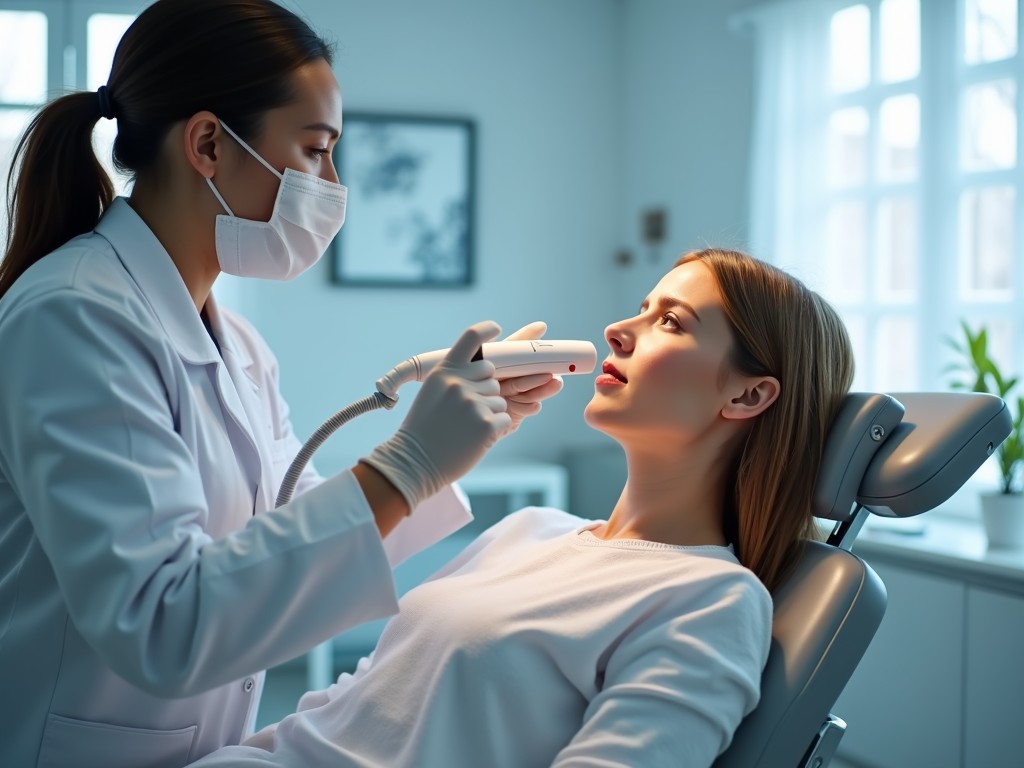
Skin spots—whether they’re age spots, melasma, or post‑inflammatory hyperpigmentation—can be a source of frustration for many. Knowing the best time of year to start treatment and how many sessions you’ll need can help you plan a realistic, effective skincare journey. This guide breaks down the science behind skin spots, the most common treatment options, and practical tips for timing and follow‑up care.
Understanding the Causes of Skin Spots
Skin spots form when melanin, the pigment that gives skin its color, accumulates in excess in certain areas. Several factors can trigger this over‑production:
- Hormonal changes – pregnancy, birth‑control pills, or menopause can alter melanin production.
- Environmental exposure – UV radiation from the sun is the biggest external trigger.
- Metabolic or genetic predisposition – some people naturally produce more melanin or have a genetic tendency toward hyperpigmentation.
- Inflammation or injury – acne, eczema, or skin trauma can leave behind darker marks.
Because these factors vary from person to person, the treatment plan must be tailored to the individual’s unique skin type and underlying cause.
Common Treatment Modalities
Dermatologists use a range of techniques to break down excess melanin and restore even skin tone. The choice depends on the spot’s depth, size, and the patient’s skin type.
1. Chemical Peels
Acids such as glycolic, salicylic, or trichloroacetic acid dissolve the outer skin layers, encouraging new, evenly pigmented cells to grow.
2. Fractional Laser Therapy
Lasers target melanin with precision, creating micro‑injuries that stimulate collagen production and pigment removal.
3. Carbon Peel (Carboxytherapy)
Carbon particles are applied to the skin and then heated, which helps to break down melanin and improve circulation.
4. Enzyme Peels
Natural enzymes (e.g., papain or bromelain) gently exfoliate the skin, reducing pigmentation without harsh chemicals.
5. Other Emerging Techniques
- Microneedling with topical agents
- Topical retinoids and hydroquinone
- Intense Pulsed Light (IPL) therapy
How Many Sessions Will You Need?
The number of sessions varies widely based on:
- Spot type (e.g., melasma vs. age spots)
- Depth of pigmentation
- Chosen treatment modality
- Patient’s skin response and healing rate
On average, most patients see noticeable improvement after 3 to 4 sessions spaced 4–6 weeks apart. However, some stubborn cases—especially melasma—may require 6–8 sessions or more, combined with maintenance treatments.
When Is the Best Time of Year to Start Treatment?
Timing matters because UV exposure can counteract treatment progress. Dermatologists typically recommend:
- Winter months (December–February) – Lower UV index means less risk of post‑treatment pigmentation flare‑ups.
- Early spring (March–April) – As daylight lengthens, you can finish the main treatment series before the peak summer sun.
- Avoid starting new treatments during the hottest months (June–August) unless you’re in a region with minimal sun exposure.
In practice, many patients schedule their first session in late winter or early spring, ensuring the bulk of the treatment is completed before the intense summer sun.
Is Spot Treatment Risky?
When performed by a qualified dermatologist using licensed equipment, spot treatment is generally safe. Key safety factors include:
- Proper skin assessment and diagnosis
- Use of high‑quality, FDA‑approved lasers or peels
- Strict hygiene protocols in the clinic
- Clear post‑care instructions to prevent infection or hyperpigmentation.
Common side effects—redness, swelling, or temporary darkening—are usually mild and resolve within days to weeks.
Will Spots Reappear After Treatment?
While treatment can dramatically reduce or eliminate spots, it does not guarantee permanent removal. Recurrence is possible if the underlying triggers—hormonal shifts, sun exposure, or inflammation—are not managed.
Key strategies to minimize return:
- Daily broad‑spectrum sunscreen (SPF 30+ with UVA/UVB protection)
- Avoiding peak sun hours (10 a.m.–4 p.m.)
- Using physical blockers (hat, sunglasses) when outdoors
- Regular follow‑up treatments or maintenance peels every 3–6 months
- Monitoring hormonal changes and discussing options with your healthcare provider
Frequently Asked Questions
Q: How long does each treatment session last?
Sessions typically range from 30 minutes to 1.5 hours, depending on the area treated and the technique used.
Q: Can I combine treatments (e.g., laser + chemical peel)?
Yes, but it’s best to space them out. For example, a laser session followed by a chemical peel 4–6 weeks later can enhance results.
Q: Are there any age restrictions?
Most treatments are safe for adults, but certain procedures (e.g., intense laser) may be contraindicated for very young or very old patients. Always consult a dermatologist.
Conclusion
Effective skin spot treatment hinges on understanding the cause, selecting the right modality, and timing the sessions to avoid sun‑induced setbacks. With a typical course of 3–4 sessions in winter or early spring, most patients achieve significant improvement. Remember, ongoing sun protection and periodic maintenance are essential to keep those spots at bay for the long term.
Ready to reclaim even skin tone? Schedule a consultation with a board‑certified dermatologist today and start your personalized spot‑treatment plan.
Considering treatment in Türkiye?
Get a free consultation and cost estimate from verified specialists.