
Root Canal Fillings, Upper Jaw Implants & Sinus Lift: How Odontogenic Sinusitis Develops and How to Treat It
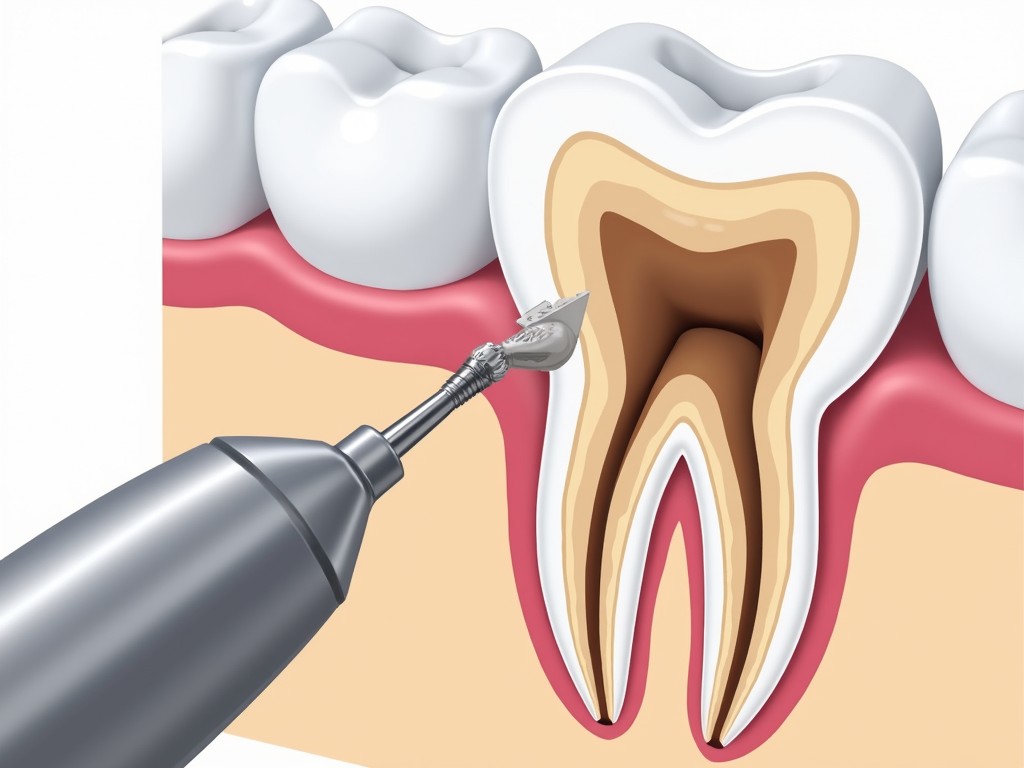
Did you know that a simple dental procedure can trigger chronic sinus inflammation? While most people associate sinusitis with a cold or allergies, a significant portion of sinus problems actually originates in the teeth. This condition, known as odontogenic sinusitis, can arise after root‑cavity treatments, upper‑jaw implants, or sinus lift surgeries. Understanding the link, recognizing the symptoms, and knowing the definitive treatment options are essential for both patients and dental professionals.
What Is Odontogenic Sinusitis?
Odontogenic sinusitis refers to inflammation of the maxillary sinus that originates from dental sources. The roots of the upper incisors and canines sit just below the floor of the maxillary sinus. When dental procedures disturb this delicate proximity, the sinus lining can react as if it were exposed to a foreign body, leading to swelling, thickening, and chronic inflammation.
Common Dental Triggers
- Root‑cavity (root canal) fillings – If the filling material (gutta‑percha or other sealants) leaks past the apex of the root into the sinus cavity.
- Upper‑jaw implants – Over‑penetration of the implant tip into the sinus space.
- Sinus lift procedures – Migration of bone graft particles into the sinus during elevation.
How Does the Sinus Get Infected?
When foreign material enters the sinus, the mucosal lining perceives it as an irritant. The body responds by:
- Increasing mucus production and thickening the lining.
- Developing granulation tissue that can block normal drainage pathways.
- Triggering a chronic inflammatory cascade that may become resistant to antibiotics alone.
Typical Symptoms to Watch For
- Unilateral nasal congestion or blockage.
- Yellow‑green or foul‑smelling discharge from one nostril.
- Facial fullness or pressure, especially around the cheek and upper teeth.
- Pain or sensitivity when pressing on the treated tooth.
- Headaches or a loss of sense of smell in severe cases.
Diagnosing the Root Cause
Accurate diagnosis requires a dual approach: dental imaging and otolaryngologic evaluation.
Dental Assessment
- Periapical X‑ray or cone‑beam CT to locate the tooth or implant in relation to the sinus floor.
- Clinical examination of the tooth for signs of perforation or leakage.
ENT Evaluation
- Endoscopic nasal examination to assess mucosal inflammation and drainage pathways.
- CT scan of the paranasal sinuses to visualize foreign material, mucosal thickening, or bone graft migration.
Treatment Strategy: Two‑Step, Multidisciplinary Approach
Effective resolution hinges on removing the offending dental source and restoring sinus function through endoscopic surgery.
Step 1 – Eliminate the Dental Source
- Repair or remove leaking root‑cavity fillings.
- Retract or revise an over‑penetrated implant.
- Clear graft particles that have migrated into the sinus; close any oro‑antral fistula with intra‑oral flaps if necessary.
Step 2 – Endoscopic Sinus Surgery (ESS)
- Use a nasal endoscope to widen the natural drainage pathways.
- Debride inflamed mucosa and remove any residual foreign material.
- Ensure adequate ventilation and drainage to prevent recurrence.
Can Antibiotics Alone Resolve the Issue?
Antibiotics may offer temporary relief by reducing bacterial load, but they do not address the mechanical irritation caused by foreign material. Without removing the source, the sinus will likely return to a chronic inflammatory state.
Frequently Asked Questions
- Is the sinusitis always unilateral? Yes, it typically affects the side of the sinus that is adjacent to the problematic tooth or implant.
- Will I need surgery? If foreign material is present in the sinus, endoscopic sinus surgery is usually required for definitive treatment.
- What is the prognosis after combined treatment? When both the dental source is removed and the sinus is cleared endoscopically, recurrence rates are low and patients often experience complete symptom resolution.
- Can I prevent this from happening? Proper pre‑operative imaging, careful surgical technique, and post‑operative monitoring can significantly reduce the risk.
Takeaway
Odontogenic sinusitis is a preventable and treatable condition that bridges dentistry and otolaryngology. Early recognition of symptoms, thorough imaging, and a coordinated two‑step treatment plan—removing the dental irritant and performing endoscopic sinus surgery—are key to restoring sinus health and preventing chronic complications.
Considering treatment in Türkiye?
Get a free consultation and cost estimate from verified specialists.