
Ovarian Cysts Explained: Symptoms, Diagnosis, and Effective Treatment Options
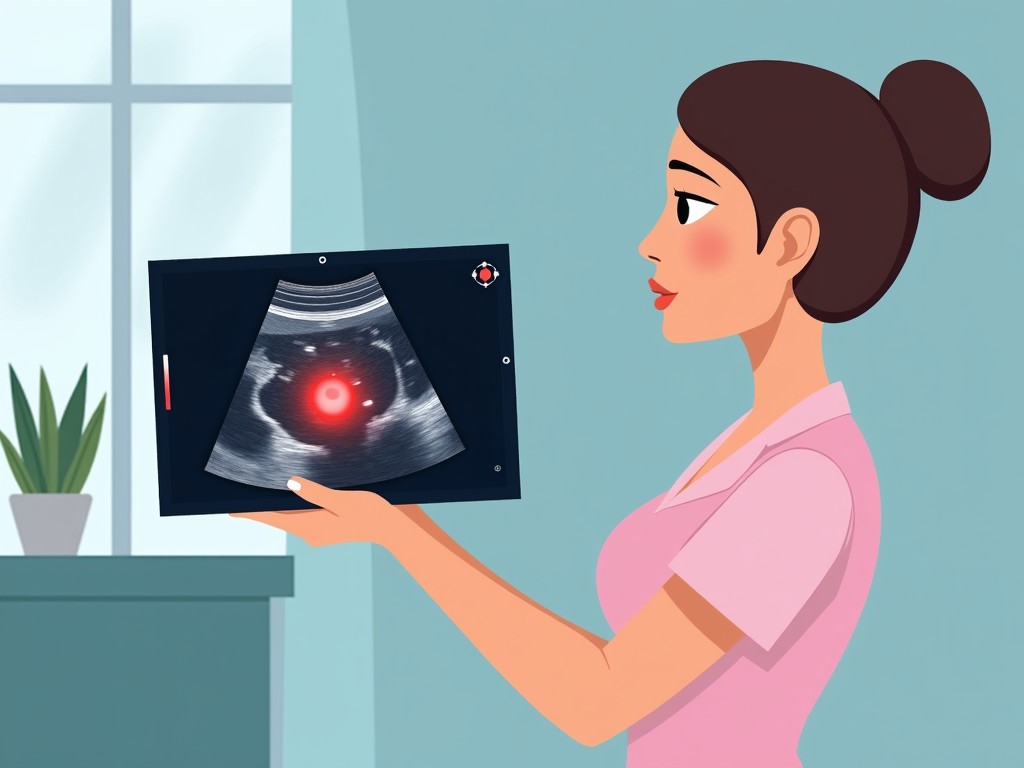
Ovarian cysts are a common yet often misunderstood condition that can affect a woman’s reproductive health and overall well‑being. While many cysts are harmless and resolve on their own, some can cause discomfort, disrupt menstrual cycles, or even impact fertility. Understanding the signs, how they are diagnosed, and the range of treatment options is essential for anyone who may be experiencing symptoms or wants to stay proactive about ovarian health.
What Are Ovarian Cysts?
Ovarian cysts are fluid‑filled sacs that develop on or within the ovaries. They can arise during the normal menstrual cycle when an egg fails to detach from the follicle, or they may form due to hormonal imbalances, endometriosis, or other underlying conditions. Most cysts are benign and asymptomatic, but some can grow large enough to cause pain or complications.
Key Symptoms to Watch For
Recognizing the early warning signs can help you seek timely care. Common symptoms include:
- Lower abdominal or pelvic pain: Often described as a dull ache or sharp pressure that may worsen during menstruation.
- Menstrual irregularities: Spotting, heavy bleeding, or missed periods can signal hormonal disruption.
- Pain during intercourse: A sudden or persistent ache during sex may indicate a cyst pressing on surrounding tissues.
- Nausea or vomiting: Large cysts can press on the stomach, leading to digestive discomfort.
- Feeling of fullness or bloating: A sense of pressure in the lower abdomen can accompany cyst growth.
When to Seek Medical Attention
If you experience:
- Severe or worsening pain
- Sudden onset of heavy bleeding
- Persistent nausea or vomiting
- Any new or unexplained symptoms
It’s important to consult a healthcare provider promptly.
Diagnosis: How Doctors Identify Ovarian Cysts
Accurate diagnosis typically involves a combination of:
- Pelvic examination: A physical check to feel for masses.
- Transvaginal ultrasound: The gold standard imaging technique that visualizes cyst size, shape, and contents.
- Blood tests: Hormone panels (e.g., CA‑125) can help rule out malignancy.
- MRI or CT scans: Used in complex cases or when ultrasound findings are inconclusive.
Treatment Options: From Watchful Waiting to Surgery
The choice of treatment depends on cyst type, size, symptoms, and patient goals. Here’s a breakdown of common approaches:
1. Observation and Monitoring
Small, uncomplicated cysts often resolve within a few menstrual cycles. Regular follow‑up ultrasounds help track changes.
2. Hormonal Therapy
Birth control pills or hormonal IUDs can regulate the menstrual cycle, reduce cyst formation, and alleviate pain.
3. Pain Management
Non‑steroidal anti‑inflammatory drugs (NSAIDs) are effective for mild to moderate discomfort.
4. Aspiration (Cyst Fluid Drainage)
For larger cysts causing significant pain, a doctor may use a needle to remove fluid. This is usually a temporary solution, as cysts can recur.
5. Surgical Intervention
When cysts are large, symptomatic, or suspicious for cancer, surgery is recommended. Laparoscopic removal is minimally invasive and offers quicker recovery.
Preventive Measures: Reducing the Risk of Ovarian Cysts
While not all cysts are preventable, certain lifestyle choices can lower risk:
- Maintain a balanced diet: Adequate fiber, vitamins, and minerals support hormonal balance.
- Regular exercise: Moderate activity helps regulate estrogen levels.
- Manage stress: Chronic stress can disrupt hormonal cycles.
- Avoid smoking and limit alcohol: These habits negatively affect ovarian health.
- Regular gynecological check‑ups: Early detection is key to effective management.
Frequently Asked Questions (FAQs)
1. Are ovarian cysts dangerous?
Most cysts are benign and harmless. However, some can cause complications such as rupture, torsion, or infertility if left untreated.
2. Can ovarian cysts affect fertility?
Yes, especially if they interfere with ovulation or cause pelvic adhesions. Early treatment can improve fertility outcomes.
3. How long does it take for a cyst to resolve?
Many cysts resolve within 2–3 menstrual cycles, but larger or complex cysts may take longer or require intervention.
4. Is surgery always necessary?
No. Surgery is reserved for cysts that are large, persistent, symptomatic, or suspicious for malignancy.
5. What follow‑up care is needed after treatment?
After any intervention, doctors typically recommend periodic ultrasounds and routine pelvic exams to monitor for recurrence.
Conclusion
Ovarian cysts are a common gynecological issue that can range from harmless to potentially serious. By staying informed about symptoms, seeking timely diagnosis, and exploring appropriate treatment options, women can manage cysts effectively and protect their reproductive health. Regular check‑ups, a healthy lifestyle, and open communication with a trusted healthcare provider are the cornerstones of prevention and early intervention.
Considering treatment in Türkiye?
Get a free consultation and cost estimate from verified specialists.