
Sleeve Gastrectomy and Hair Loss: Understanding Telogen Effluvium After Weight‑Loss Surgery
Hook: After a sleeve gastrectomy, many patients celebrate rapid weight loss and improved health, but a surprising side effect can leave them feeling insecure: sudden hair shedding. This isn’t permanent baldness—most of the time it’s a temporary, manageable condition called telogen effluvium. Understanding why it happens, how to spot it, and what you can do to support hair regrowth can turn a stressful post‑operative period into a smoother transition.
What Is Sleeve Gastrectomy?
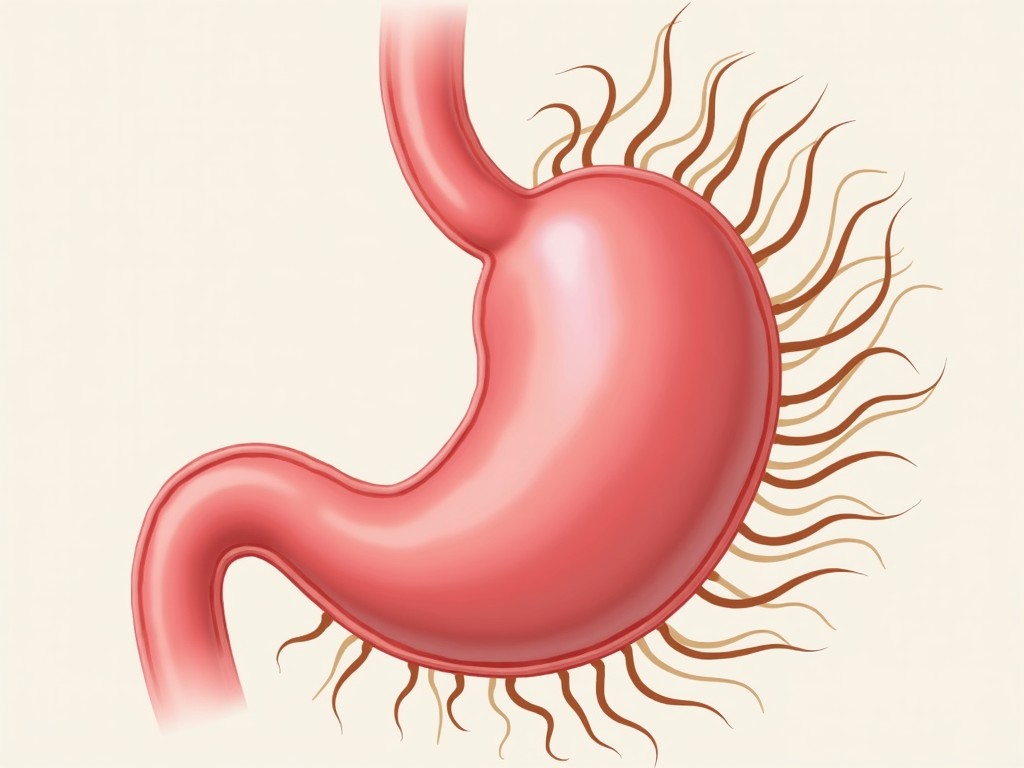
Sleeve gastrectomy, also known as a sleeve or tube stomach surgery, is a popular bariatric procedure that removes about 80% of the stomach, leaving a narrow, tube‑shaped pouch. The reduced stomach size limits food intake, speeds up weight loss, and improves metabolic conditions such as type 2 diabetes and hypertension. While the surgery offers significant health benefits, the rapid change in nutrition and body stress can trigger a cascade of physiological responses—including hair loss.
Why Does Hair Fall After Sleeve Gastrectomy?
The most common explanation is telogen effluvium, a temporary shift of hair follicles from the growth (anagen) phase into the resting (telogen) phase. When the body experiences a major stressor—surgery, rapid weight loss, or nutritional deficits—hair follicles pause their growth and eventually shed.
Key Triggers
- Rapid Weight Loss: The body reallocates resources to essential organs, depriving hair follicles of nutrients.
- Stress & Surgery: Anesthesia, pain, and the psychological impact of surgery activate the body’s fight‑or‑flight response.
- Micronutrient Deficiencies: Reduced food intake can lead to low levels of iron, zinc, vitamin B12, and other nutrients critical for hair health.
- Hormonal Shifts: Changes in thyroid function, estrogen, and other hormones can influence hair cycles.
When to Expect Hair Loss
Hair shedding typically begins 2–3 months after surgery, peaks around 4–6 months, and usually resolves within 6–12 months as the body stabilizes. The timing aligns with the hair growth cycle: follicles enter telogen, shed, and new hairs emerge.
Recognizing Telogen Effluvium vs. Permanent Hair Loss
While telogen effluvium is temporary, other conditions—such as androgenetic alopecia or alopecia areata—can cause permanent thinning. Key differences include:
- Distribution: Telogen effluvium is diffuse; androgenetic alopecia shows patterned thinning.
- Duration: Telogen effluvium resolves in months; androgenetic alopecia progresses over years.
- Associated Symptoms: Hair loss with itching or redness may indicate scalp infection or autoimmune disease.
Essential Nutrients for Hair Health After Surgery
Below is a quick reference for nutrients that support hair growth and are often deficient after sleeve gastrectomy:
- Protein: Keratin, the building block of hair, requires adequate protein intake.
- Iron: Critical for oxygen transport; deficiency leads to anemic hair loss.
- Zinc: Supports follicle regeneration and protein synthesis.
- Vitamin B12 & Folate: Needed for DNA synthesis and cell division.
- Vitamin D: Influences hair follicle cycling.
- Biotin (B7): Often marketed for hair strength; supplementation helps if deficient.
Practical Steps to Minimize Hair Loss
1. Regular Blood Tests
Schedule periodic labs to monitor iron, ferritin, zinc, B12, folate, and vitamin D. Early detection of deficiencies allows timely supplementation.
2. Balanced, Protein‑Rich Diet
Consume small, frequent meals rich in lean meats, fish, eggs, dairy, legumes, and nuts. Consider protein shakes if you struggle to meet daily needs.
3. Targeted Supplements
Under a clinician’s guidance, take iron (with vitamin C for absorption), zinc, B12 injections or high‑dose oral forms, and a multivitamin tailored for bariatric patients.
4. Stress Management
Incorporate mindfulness, gentle exercise, adequate sleep, and counseling to reduce cortisol levels, which can exacerbate telogen effluvium.
5. Gentle Hair Care
Avoid tight hairstyles, harsh chemicals, and high heat. Use mild shampoos and consider scalp massages to improve circulation.
6. Patience and Monitoring
Hair regrowth can take 3–12 months. Keep a hair diary to track shedding patterns and discuss any concerns with your healthcare team.
When to Seek Professional Help
Consult a healthcare provider if:
- Hair loss persists beyond 12 months.
- You notice bald patches or significant scalp redness.
- You experience systemic symptoms such as fatigue, palpitations, or weight changes.
- Blood tests reveal severe deficiencies or anemia.
Frequently Asked Questions
Q: Is hair loss permanent after sleeve gastrectomy?
A: In most cases, no. Telogen effluvium is reversible once nutritional status and hormonal balance normalize.
Q: Can I take over‑the‑counter hair growth products?
A: Use them cautiously. Focus first on correcting nutritional deficiencies; topical minoxidil may help but should be discussed with your doctor.
Q: Does the type of anesthesia affect hair loss?
A: The anesthesia itself isn’t a direct cause, but the overall surgical stress can trigger telogen effluvium.
Conclusion
Sleeve gastrectomy offers transformative health benefits, but the body’s adaptation to a new nutritional landscape can temporarily disrupt hair growth. By understanding telogen effluvium, monitoring key micronutrients, adopting gentle hair care practices, and maintaining open communication with your medical team, you can mitigate shedding and support a healthy regrowth cycle. Remember, the majority of post‑operative hair loss is a short‑lived phase—most patients see their hair return to its former fullness within a year.
Considering treatment in Türkiye?
Get a free consultation and cost estimate from verified specialists.