
Chin Surgery Explained: Genioplasty, Techniques, Risks, and Recovery
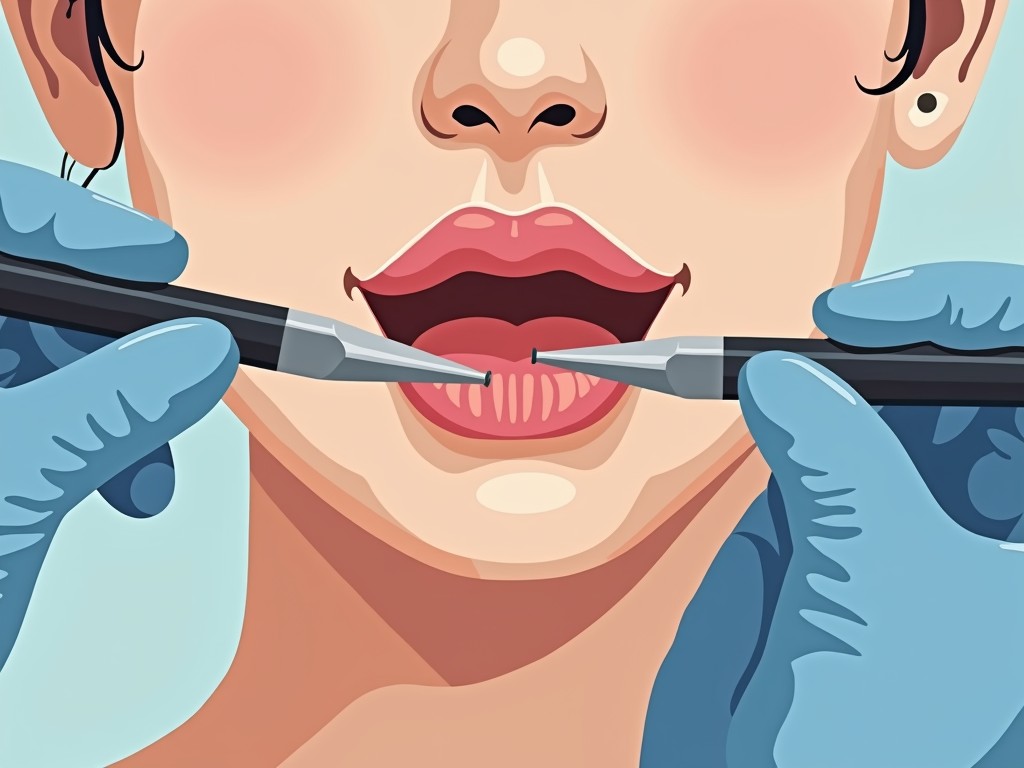
When it comes to facial harmony, the chin often plays a pivotal role. A well‑proportioned chin can enhance your profile, balance facial features, and boost confidence. If you’ve ever felt that your chin is too prominent, too recessed, or asymmetrical, you’re not alone. In this comprehensive guide, we’ll dive into the world of chin surgery—also known as genioplasty—exploring its purpose, techniques, candidate criteria, risks, and recovery process. Whether you’re considering a subtle tweak or a dramatic transformation, this article will equip you with the knowledge you need to make an informed decision.
What Is Genioplasty?
Genioplasty, or chin surgery, is a cosmetic surgical procedure designed to reshape the chin to achieve a more balanced and aesthetically pleasing facial profile. The term “genioplasty” comes from the Greek word *genios*, meaning chin, and the suffix *-plasty*, meaning surgical shaping. The procedure can address a variety of concerns, including:
- Chin protrusion or retrusion (too far forward or too far back)
- Asymmetry or unevenness of the chin
- Chin width or height that feels disproportionate to the rest of the face
- Chin shape that doesn’t complement the patient’s overall facial structure
Who Is a Good Candidate?
Not everyone is a suitable candidate for genioplasty. A thorough evaluation by an experienced surgeon will determine eligibility based on several factors:
- No significant jaw‑closure problems
- Normal tooth alignment and no malocclusion
- No bite‑related issues such as a severe overbite or underbite
- Fully developed chin bone (growth completed)
- Overall good health and realistic expectations
Patients who meet these criteria are more likely to achieve safe, predictable, and satisfying results.
Techniques and Approaches
Genioplasty can be performed using a variety of techniques, each tailored to the patient’s specific needs. The most common approaches include:
1. Bone Cutting and Reshaping (Osteotomy)
For patients with a prominent or recessed chin, the surgeon may cut and reposition the chin bone. This method provides permanent changes and is often combined with other facial procedures.
2. Bone Resection (Trimming)
When the chin is too large, a portion of the bone can be removed to create a slimmer, more balanced profile.
3. Bone Augmentation (Grafting)
In cases where the chin is too small, a bone graft or a synthetic implant can be added to increase projection and width.
4. Fat Grafting (Minimal‑Invasive)
For subtle contouring, surgeons may inject autologous fat harvested from another part of the body. While less invasive, the results are temporary and may require repeat treatments.
5. Combined Procedures
Genioplasty is often performed alongside other facial surgeries—such as rhinoplasty, brow lift, or cheek augmentation—to achieve a harmonious overall look.
Procedure Overview
The typical genioplasty workflow involves several key steps:
- Consultation and Planning – A detailed assessment, including photographs and 3D imaging, helps the surgeon design a personalized surgical plan.
- Anesthesia – Depending on the extent of the surgery, local or general anesthesia is administered.
- Incision – Incisions are usually made inside the mouth or just below the lower lip to keep scars hidden.
- Bone Manipulation – The surgeon cuts, reshapes, or augments the chin bone as planned.
- Closure – Incisions are closed with sutures, and the area is dressed.
- Recovery – Post‑operative care includes pain management, swelling control, and dietary adjustments.
The entire operation typically lasts between 1 to 2 hours, though more extensive cases may take longer.
Risks and Complications
Like any surgical procedure, genioplasty carries potential risks. However, when performed by a skilled surgeon, complications are relatively rare. Common risks include:
- Infection
- Swelling, bruising, and pain
- Scarring (usually minimal and hidden)
- Asymmetry or uneven results
- Neural injury leading to numbness or facial weakness
- Need for revision surgery if results are unsatisfactory
Choosing an experienced surgeon—such as Prof. Dr. Celal Çandırlı—can significantly reduce these risks and ensure a smoother recovery.
Recovery and Post‑Op Care
After genioplasty, patients typically experience:
- Swelling and bruising that peak within the first 48–72 hours
- Mild to moderate pain managed with prescribed analgesics
- Soft‑food diet for the first week to avoid pressure on the incision site
- Ice packs applied to reduce swelling
- Follow‑up visits to monitor healing and remove sutures if necessary
Most patients can return to normal activities within 4–6 weeks, though full recovery may take up to 3 months. Adhering to the surgeon’s instructions—such as avoiding strenuous exercise and maintaining good oral hygiene—will promote optimal healing.
Frequently Asked Questions
1. How long does the result of genioplasty last?
Bone‑based changes are permanent. Fat grafting, however, may diminish over 6–12 months, requiring touch‑up procedures.
2. Will I notice a scar?
Incisions are placed inside the mouth or below the lower lip, making scars virtually invisible.
3. Can genioplasty be combined with other facial surgeries?
Yes. Combining genioplasty with procedures like rhinoplasty or brow lift can enhance overall facial harmony.
4. Is genioplasty painful?
Post‑operative discomfort is common but manageable with medication. Most patients report mild pain that resolves within a week.
5. What is the cost of genioplasty?
Costs vary based on surgeon experience, surgical complexity, and clinic location. It’s best to discuss pricing during your initial consultation.
Conclusion
Genioplasty offers a reliable solution for individuals seeking to refine their chin’s shape, size, or symmetry. By understanding the procedure’s techniques, candidate criteria, risks, and recovery expectations, you can approach your consultation with confidence. Remember, the key to a successful outcome lies in selecting a qualified, experienced surgeon who prioritizes your safety and aesthetic goals. If you’re ready to explore how a well‑balanced chin can transform your profile, schedule a consultation with a board‑certified plastic surgeon today.
Considering treatment in Türkiye?
Get a free consultation and cost estimate from verified specialists.