
Non‑Surgical Weight Loss: How Gastric Balloon and Gastric Botox Can Help You Shed Pounds Safely
Introduction
For many people, losing weight is a lifelong struggle. While a balanced diet and regular exercise remain the gold standard, some individuals find it difficult to achieve lasting results. In recent years, non‑surgical weight loss options such as the gastric balloon and gastric botox have gained popularity. These minimally invasive techniques offer a faster path to weight loss without the risks and recovery time associated with traditional bariatric surgery.
What Is Non‑Surgical Weight Loss?
Non‑surgical weight loss refers to methods that reduce stomach capacity or suppress appetite without cutting or stapling the stomach. The goal is to create a feeling of fullness sooner, thereby reducing calorie intake. Unlike surgical procedures, these techniques do not leave permanent scars and usually require only a short hospital stay or even an outpatient visit.
Why Consider a Non‑Surgical Approach?
- Faster Recovery: No incisions mean no stitches and a quicker return to daily activities.
- Lower Risk: The procedures are less invasive, reducing the chance of complications such as infections or leaks.
- Temporary Effect: The stomach can return to its original size after the device is removed, allowing patients to maintain control over their weight with lifestyle changes.
- Cost‑Effective: Generally cheaper than surgical alternatives, especially when insurance coverage is limited.
Popular Non‑Surgical Techniques
Below are the two most widely used methods: the gastric balloon and gastric botox. Both are performed under endoscopic guidance and are tailored to the patient’s specific needs.
1. Gastric Balloon
The gastric balloon is a silicone device that is either swallowed as a capsule or inserted endoscopically. Once in the stomach, it inflates to occupy space, making the patient feel full sooner.
Types of Gastric Balloons
- Oral (Swallowable) Balloon: Delivered in a capsule that the patient swallows. It inflates after reaching the stomach and remains for about 16 weeks before being expelled naturally.
- Endoscopic Balloon: Placed directly into the stomach via an endoscope and can stay for up to 12 months, depending on the patient’s progress and tolerance.
Procedure Overview
- Patient undergoes a brief endoscopic examination.
- The balloon is inserted and inflated.
- Patient follows a liquid diet for the first week, then gradually reintroduces solid foods.
- After the prescribed period, the balloon is removed endoscopically.
Benefits
- Rapid weight loss (up to 25 kg in 6 months).
- No surgical scars.
- Can be combined with diet and exercise for optimal results.
Potential Side Effects
- Nausea, vomiting, abdominal pain.
- Rarely, balloon deflation or migration.
- Requires close monitoring by a qualified gastroenterologist.
2. Gastric Botox (Botulinum Toxin Injection)
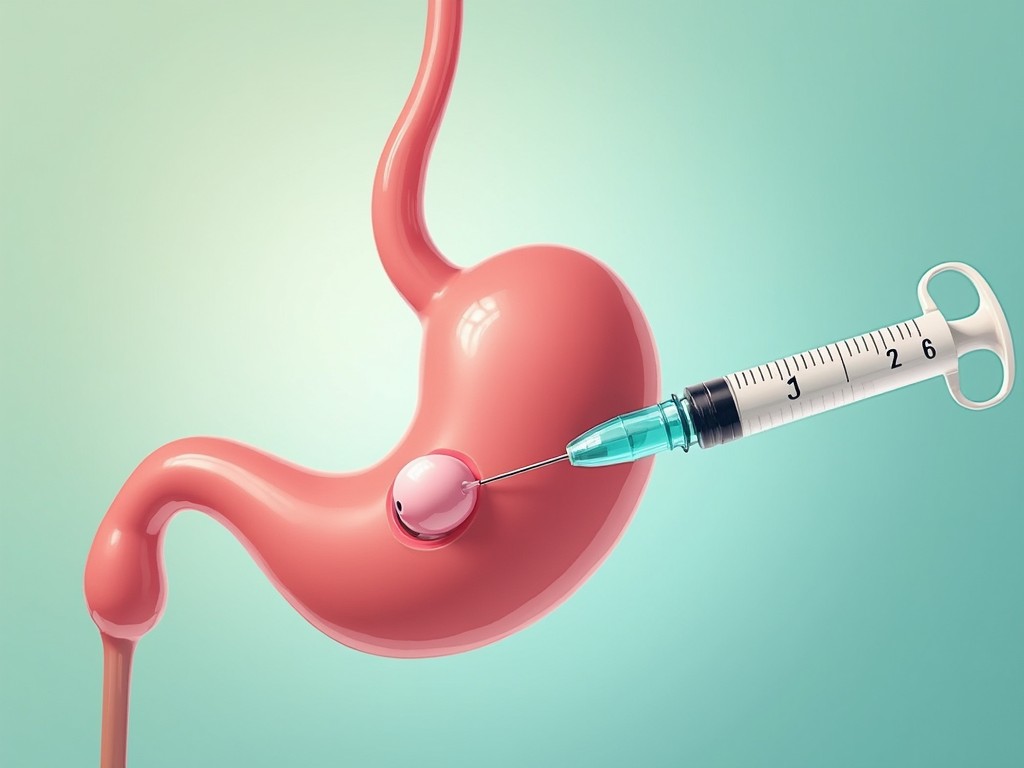
Gastric botox involves injecting botulinum toxin into the stomach wall to relax the muscle and delay gastric emptying. This prolongs the feeling of fullness after meals.
Procedure Steps
- Endoscopic assessment of the stomach.
- Local anesthesia is applied.
- Botox is injected into specific gastric regions.
- The procedure takes about 30 minutes and is usually done in an outpatient setting.
Effectiveness
- Can lead to a weight loss of 15–35 kg, depending on the patient’s BMI and adherence to lifestyle changes.
- Effect lasts approximately 6 months, after which repeat injections may be considered.
Safety Profile
- Low risk of infection or bleeding.
- Possible mild side effects: nausea, abdominal discomfort, transient fever.
- Requires a skilled endoscopist to minimize complications.
Who Is a Good Candidate?
Not every patient is suitable for non‑surgical weight loss. A thorough evaluation by a bariatric specialist is essential.
- Body Mass Index (BMI): Ideal for patients with a BMI between 30 and 40. Those with a BMI above 40 usually benefit more from surgical options.
- Medical History: Patients with ulcers, severe reflux, or previous bariatric surgery are generally excluded.
- Pregnancy: Women who are pregnant or planning to become pregnant should avoid these procedures.
- Psychological Readiness: Candidates must be committed to dietary changes and regular exercise; psychological support may be necessary.
Advantages & Disadvantages
Advantages
- No surgical incisions or stitches.
- Short or no hospital stay.
- Can be combined with lifestyle interventions for sustained weight loss.
- Lower cost compared to bariatric surgery.
Disadvantages
- Effect is temporary; weight may be regained if lifestyle changes are not maintained.
- Not suitable for morbidly obese patients.
- Potential side effects such as nausea or abdominal discomfort.
- Requires regular follow‑up appointments.
What to Expect After the Procedure
After the gastric balloon or botox injection, patients typically follow a structured diet plan:
- Liquid Diet: First week to allow the stomach to adjust.
- Pureed Foods: Weeks 2–4 to gradually reintroduce solids.
- Regular Meals: After 4 weeks, patients can resume normal meals but with portion control.
Exercise is encouraged from day one, starting with light walking and progressing to moderate cardio and strength training. Regular follow‑ups with the gastroenterologist or bariatric team help monitor progress and address any concerns.
Frequently Asked Questions
1. How long does the gastric balloon stay in the stomach?
It depends on the type: swallowable balloons stay for about 16 weeks, while endoscopic balloons can remain for up to 12 months.
2. Can I eat normally after the procedure?
Yes, but you’ll need to follow a gradual diet plan and maintain portion control to sustain weight loss.
3. Are there any long‑term risks?
When performed by experienced clinicians, the risks are minimal. However, the temporary nature of the treatment means that without lifestyle changes, weight may return.
Conclusion
Non‑surgical weight loss methods such as the gastric balloon and gastric botox offer a promising alternative for individuals who struggle with traditional diet and exercise regimens. While they provide a faster route to weight loss and carry fewer risks than surgery, success ultimately depends on a patient’s commitment to healthy eating and regular physical activity. If you’re considering these options, consult a qualified bariatric specialist to determine whether you’re an ideal candidate and to develop a comprehensive, personalized weight‑management plan.
Considering treatment in Türkiye?
Get a free consultation and cost estimate from verified specialists.