
Jaw Retrusion in Celebrities: How Stars Fix Their Profile and What It Means for You
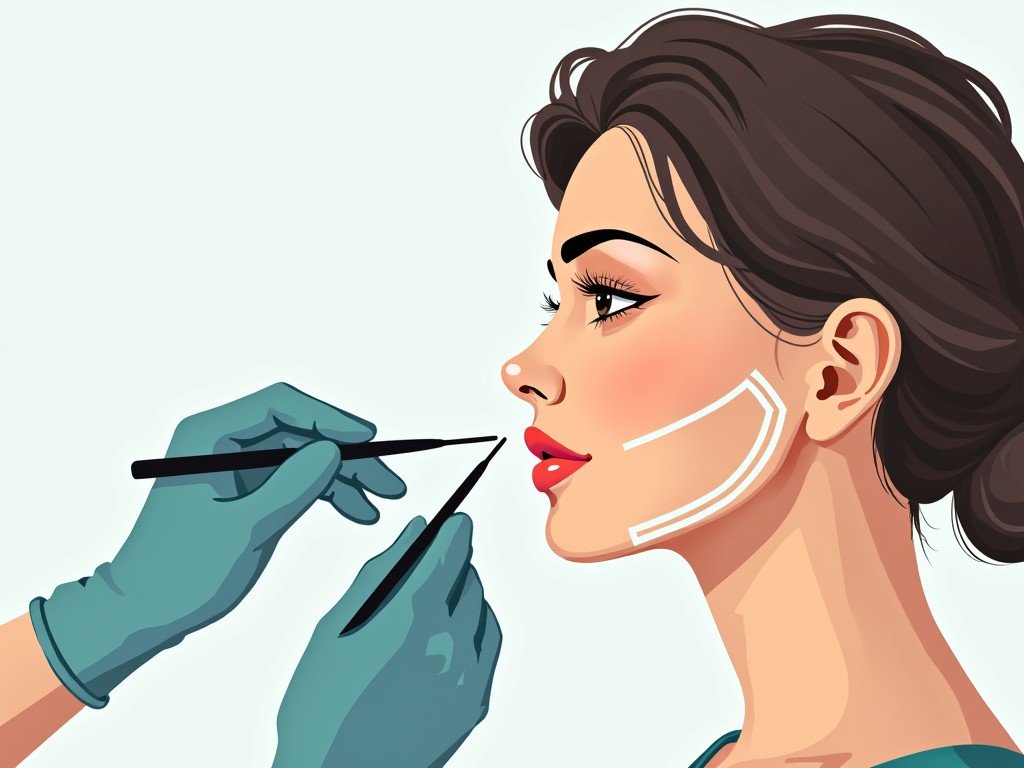
When you think of a Hollywood star, you might picture a flawless smile, but many famous faces have faced a hidden challenge: jaw retrusion, or a backward-positioned lower jaw. From Tom Cruise to Kate Middleton, celebrities have turned to orthodontics and orthognathic surgery to correct this condition. In this article, we’ll explore what jaw retrusion is, why it matters, how it’s treated, and what you can learn from the stars who’ve undergone the procedure.
What Is Jaw Retrusion?
Jaw retrusion, also known as mandibular retrognathia, occurs when the lower jaw (mandible) is positioned behind the upper jaw (maxilla). This misalignment can affect both appearance and function, leading to:
- Asymmetrical facial profile
- Difficulty chewing or speaking
- Temporomandibular joint (TMJ) pain
- Potential bite problems
While the condition can be congenital or develop during growth, it’s often addressed during adolescence or early adulthood.
Why Celebrities Talk About Jaw Retrusion
Public figures are under constant scrutiny, and even minor facial asymmetries can become a talking point. Many celebrities have openly discussed their journey to correct jaw retrusion, which helps demystify the process for the general public. Here’s a quick look at some well-known stars who have undergone treatment:
- Tom Cruise – Early in his career, Cruise’s jaw appeared slightly recessed. He combined orthodontic braces with a minor orthognathic procedure to achieve a more balanced profile.
- Kate Middleton – The Duchess of Cambridge received orthodontic treatment in her youth, which helped align her jaw and improve her smile.
- Kylie Jenner – The reality star’s jawline was enhanced through a combination of braces and a surgical correction, giving her a sharper profile.
- Miley Cyrus – Cyrus’s early orthodontic work addressed both teeth alignment and jaw positioning, resulting in a more harmonious look.
- Zac Efron – The actor’s orthodontic journey included braces and a minor jaw adjustment to correct a subtle retrusion.
How Is Jaw Retrusion Treated?
Treatment typically involves a combination of orthodontics and orthognathic surgery, tailored to the individual’s needs. The process usually follows these steps:
- Initial Assessment – A comprehensive dental and medical evaluation, including X-rays and 3D imaging.
- Orthodontic Phase – Braces or clear aligners move the teeth into proper alignment, preparing the jaw for surgery.
- Surgical Phase – An oral and maxillofacial surgeon performs the jaw repositioning, often under general anesthesia.
- Recovery and Retention – Post‑operative care includes pain management, soft diet, and retention devices to maintain the new position.
In many cases, the surgery is performed in a single session, but some patients may require staged procedures.
What to Expect During Recovery
Recovery times vary, but most patients experience:
- Swelling and bruising for 1–2 weeks
- Limited jaw movement initially
- Soft diet for the first few days
- Follow‑up appointments every 2–4 weeks
With proper care, patients can return to normal activities within 4–6 weeks.
FAQs About Celebrity Jaw Correction
1. Does jaw retrusion improve with age?
In growing children, orthodontic treatment can correct mild retrusion. In adults, surgical intervention is usually required.
2. Are there non‑surgical options?
For mild cases, orthodontic appliances alone may suffice. However, significant retrusion typically needs surgery.
3. Is the procedure risky?
Like any surgery, there are risks such as infection, nerve damage, or anesthesia complications. Modern techniques and experienced surgeons minimize these risks.
4. Will the results last?
When performed correctly, orthognathic surgery provides permanent results. Retention devices help maintain the new jaw position.
5. How much does it cost?
Costs vary by region and complexity. In Turkey, for example, a renowned specialist like Prof. Dr. Celal Çandırlı offers comprehensive care, but insurance coverage is limited for cosmetic procedures.
Key Takeaways for Anyone Considering Jaw Correction
- Early detection and orthodontic treatment can prevent the need for surgery.
- Orthognathic surgery is highly effective for correcting significant jaw retrusion.
- Recovery requires patience and adherence to post‑operative instructions.
- Consult a qualified oral and maxillofacial surgeon to discuss personalized options.
Conclusion
Jaw retrusion is more common than many realize, and it can impact both aesthetics and function. By looking at the journeys of celebrities like Tom Cruise and Kate Middleton, we see that with the right combination of orthodontics and surgery, a balanced jawline is achievable. If you suspect you have a jaw alignment issue, schedule a consultation with a qualified specialist to explore your options and take the first step toward a healthier, more confident you.
Considering treatment in Türkiye?
Get a free consultation and cost estimate from verified specialists.