
Does Invisalign Affect Speech? Myths, Facts, and What to Expect
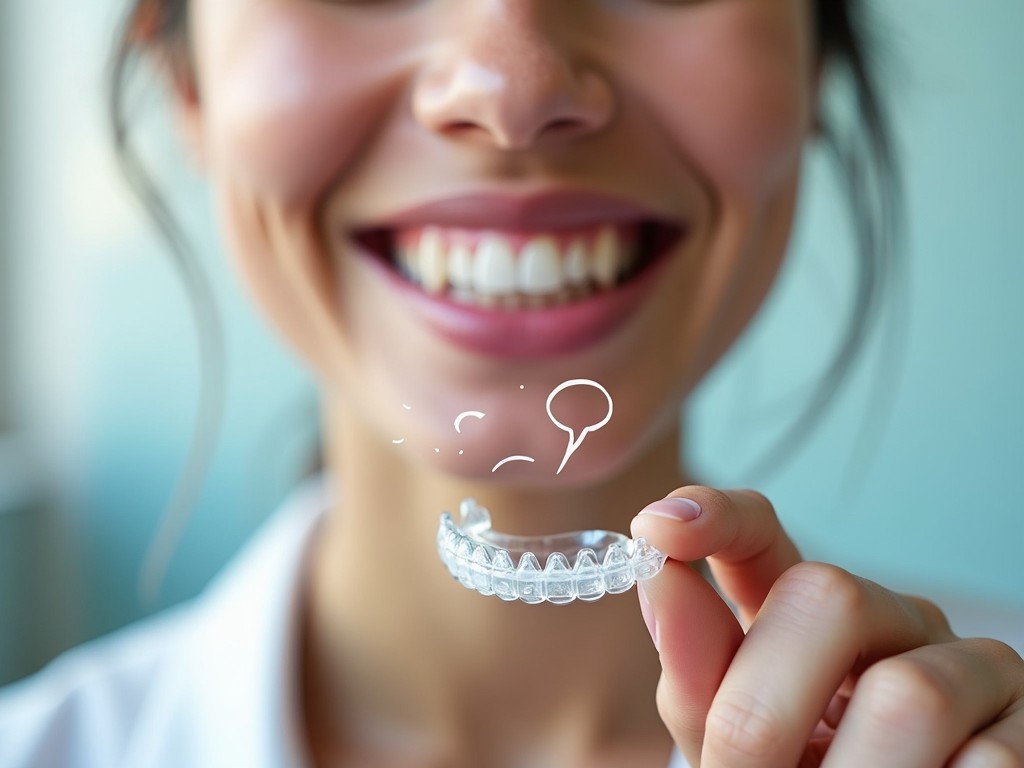
When people think about orthodontic treatment, the first question that often pops up is whether the appliance will change the way they speak. With Invisalign’s clear aligners gaining popularity for their discreet appearance, many patients wonder: Does Invisalign affect speech? This article breaks down the science, dispels common myths, and gives you practical tips to stay confident while your teeth shift into place.
What Is Invisalign?
Invisalign is a modern orthodontic solution that uses a series of custom-made, clear plastic aligners to gradually move teeth into their desired positions. Unlike traditional metal braces, Invisalign aligners are removable, virtually invisible, and designed to fit snugly over the teeth. The treatment plan is created using 3D imaging, allowing orthodontists to predict tooth movement and plan the sequence of aligners.
Common Concerns About Speech and Invisalign
Because Invisalign is a mouth‑wearing appliance, it’s natural for patients to worry about its impact on speech. The main concerns include:
- Initial difficulty pronouncing certain sounds.
- Feeling of a foreign object in the mouth.
- Potential for long‑term speech changes.
- Impact on children’s speech development.
Does Invisalign Really Affect Speech?
Short answer: Not in the long term. Invisalign aligners are designed to fit comfortably over the teeth and do not alter the jaw or tongue position. While the first few days of wearing a new aligner can feel odd, most patients return to normal speech within 48–72 hours.
Short‑Term Speech Changes: What to Expect
When you first put on a new aligner, you might notice:
- A slightly muffled sound, especially with consonants like “s,” “z,” or “th.”
- A temporary feeling of a “bubble” in the mouth.
- Minor adjustments in tongue placement as you get used to the new surface.
These sensations are normal and usually resolve quickly as your mouth adapts. Speaking slowly and deliberately during the first few days can help you adjust.
Long‑Term Speech Impact: Myths vs Reality
Once the aligner has settled and your teeth have begun to move, the appliance no longer interferes with speech. The key points are:
- Invisalign does not change the shape of the jaw or the position of the tongue.
- It does not create new gaps or spaces that would alter sound production.
- Any speech changes that occur are usually due to the underlying dental issue being corrected, not the aligner itself.
In fact, correcting misaligned teeth can improve speech clarity for patients who previously had speech difficulties caused by dental malocclusion.
Invisalign for Children: Speech Considerations
In children, Invisalign is often used under the brand name Invisalign First. Parents frequently ask whether the aligners will affect their child’s speech. The answer is reassuring:
- Children adapt quickly because their oral structures are still developing.
- There is no permanent change in speech patterns.
- Early treatment can actually prevent speech issues that arise from severe crowding or bite problems.
Can Invisalign Correct Speech Disorders?
While Invisalign is primarily a dental correction tool, it can indirectly help with certain speech disorders that stem from tooth positioning. For example:
- Improved alignment can reduce the need for a child to over‑exert the tongue to produce certain sounds.
- Correcting a crossbite or open bite can eliminate the “lisp” that some patients experience.
However, if a speech disorder is due to neurological or muscular causes, Invisalign alone will not resolve it. In such cases, a speech therapist should be consulted.
Practical Tips for Minimizing Speech Discomfort
- Start with a short wearing period: If you’re nervous, wear the aligner for 1–2 hours initially and gradually increase the time.
- Practice speaking: Read aloud or recite tongue twisters to get used to the aligner’s feel.
- Keep the aligner clean: Use the recommended cleaning crystals to avoid plaque buildup that could irritate the tongue.
- Remove during meals: This reduces the chance of food getting trapped and keeps the aligner comfortable.
- Stay hydrated: Water is safe to drink with the aligner on and helps keep the mouth moist.
Frequently Asked Questions
1. Can I drink tea or coffee with Invisalign on?
No. Tea and coffee can stain the aligners and leave residue. Remove the aligner before consuming these beverages.
2. Are cleaning crystals enough for hygiene?
Yes. The crystals dissolve in water and effectively remove plaque. Avoid using toothpaste or harsh chemicals on the aligners.
3. How long should I wear Invisalign after braces?
Typically 2–3 months, but your orthodontist will tailor the duration based on your specific case.
4. Will Invisalign affect my speech permanently?
No. Any initial changes are temporary and resolve as you adapt.
5. Is Invisalign suitable for active children?
Yes. Because the aligners are clear and removable, they pose less risk of injury during sports compared to metal braces.
Conclusion
Invisalign offers a discreet, comfortable way to straighten teeth without the long‑term speech impact that some fear. While the first few days may bring minor speech adjustments, these are temporary and easily managed. For children, Invisalign First can prevent speech issues related to dental misalignment. If you have a speech disorder unrelated to tooth positioning, consult a speech therapist in addition to your orthodontist. Ultimately, the benefits of a straighter, healthier smile far outweigh the brief period of adaptation.
Considering treatment in Türkiye?
Get a free consultation and cost estimate from verified specialists.