
Vocal Fold Nodules: Causes, Diagnosis, and Surgical Treatment Explained
Introduction
For singers, teachers, lawyers, and anyone who relies on their voice, a sudden change in tone can feel like a career‑threatening crisis. Vocal fold nodules—small, benign growths on the vocal cords—are a common culprit behind hoarseness, breathiness, and vocal fatigue. Understanding what they are, how they develop, and the full spectrum of treatment options—including when surgery becomes necessary—can help you protect and restore your voice.
What Are Vocal Fold Nodules?
Vocal fold nodules are tiny, callus‑like lesions that form on the surface of the vocal cords due to chronic irritation or overuse. While they are benign, they can significantly alter voice quality, making speech sound strained or “choked.” They are often described as “singer’s nodules” because they are most frequently seen in people who use their voice extensively.
How Do Nodules Form?
The development of nodules is typically a result of repeated mechanical stress on the vocal folds. Key contributing factors include:
- Incorrect vocal technique – Speaking or singing at high volume for extended periods.
- Vocal fatigue – Continuing to use the voice without adequate rest.
- Gastroesophageal reflux (GERD) – Acid irritation from the stomach.
- Smoking and alcohol – Both irritate and dry out the vocal folds.
- Environmental irritants – Dust, pollution, and dry air.
Recognizing the Symptoms
Early detection is crucial. Common signs of vocal fold nodules include:
- Persistent hoarseness or a raspy voice lasting weeks.
- Feeling of pressure or discomfort in the throat while speaking.
- Voice sounding “split” or “broken” during sustained phonation.
- Frequent throat clearing or coughing.
- Difficulty projecting voice or feeling the need to strain.
If these symptoms persist for more than two weeks, a prompt evaluation by an ENT specialist is recommended.
Diagnosis: How Doctors Confirm Nodules
The gold standard for diagnosing vocal fold nodules is laryngoscopy, a procedure that allows direct visualization of the vocal cords. The typical diagnostic workflow includes:
- Patient history – Assessing voice use patterns and potential irritants.
- Acoustic voice analysis – Measuring fundamental frequency, jitter, and shimmer.
- Laryngoscopy – Using a flexible or rigid scope to inspect the size, shape, and location of nodules.
In some cases, a high‑resolution imaging study such as a CT or MRI may be ordered to rule out other pathologies.
Treatment Options
Management of vocal fold nodules typically follows a stepwise approach, starting with conservative measures and progressing to surgical intervention if necessary.
Non‑Surgical Therapies
These are the first line of defense and are often effective, especially for early‑stage nodules.
- Voice therapy – A speech‑language pathologist teaches proper vocal technique, breath support, and resonance strategies.
- Voice rest – Complete silence or minimal speaking for a prescribed period.
- Medical management – Treating reflux with proton pump inhibitors, antihistamines, or nasal steroids if allergies are present.
- Lifestyle modifications – Quitting smoking, reducing alcohol intake, staying hydrated, and avoiding irritants.
When Is Surgery Considered?
Vocal fold nodules rarely require surgery, but it becomes an option when:
- Conservative treatment fails after 3–6 months.
- Nodules are large, causing significant voice distortion.
- Voice demands are high and the patient cannot afford prolonged downtime.
- There is a risk of malignant transformation, which is extremely rare but must be ruled out.
Vocal Fold Nodule Surgery
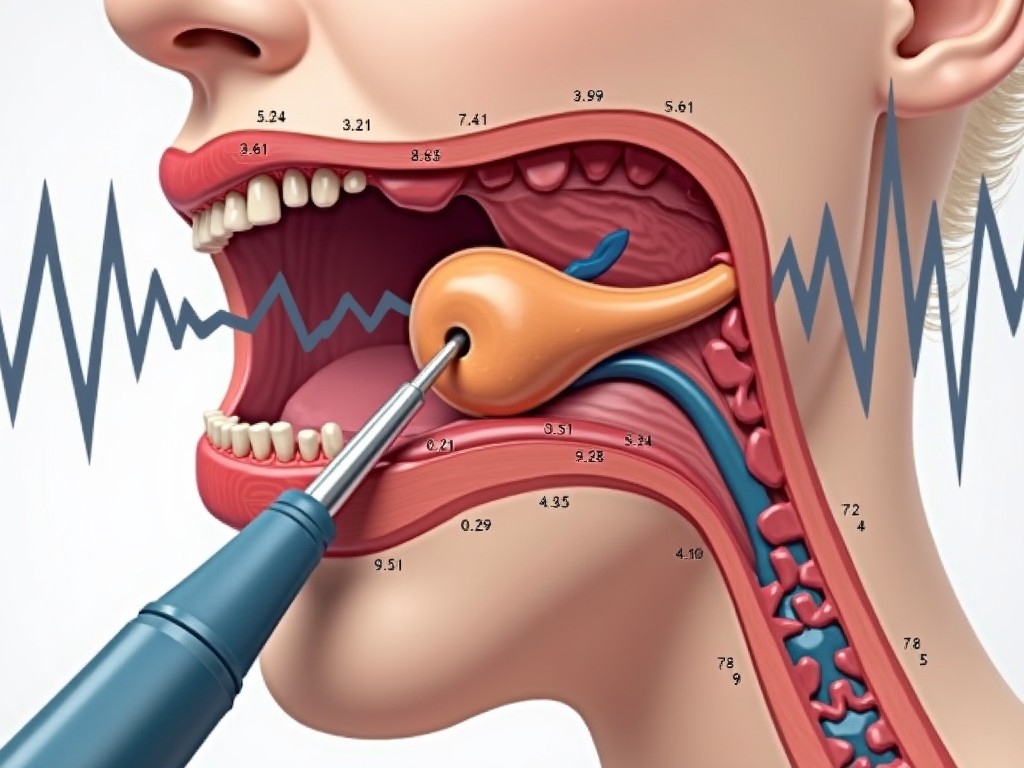
Microsurgical removal of nodules is performed under general anesthesia using a laryngeal microlaryngoscope. Key points of the procedure:
- Duration – Typically 30 minutes to 1 hour.
- Technique – The surgeon carefully excises the nodules while preserving healthy vocal fold tissue.
- Post‑operative care – Voice rest for the first week, followed by gradual reintroduction of speech under guidance.
Complications are uncommon but can include temporary changes in voice quality, infection, or recurrence of nodules.
Post‑Surgical Voice Therapy
Recovery is incomplete without structured voice therapy. The goals are to:
- Re‑educate the patient on proper vocal mechanics.
- Introduce breathing exercises to reduce strain.
- Prevent recurrence by establishing healthy vocal habits.
Patients typically resume normal voice use within 4–6 weeks, depending on individual healing and adherence to therapy.
Frequently Asked Questions
1. Can vocal fold nodules become cancerous?
While nodules themselves are benign, chronic irritation can increase the risk of laryngeal cancer. Regular follow‑up and prompt treatment of persistent lesions are essential.
2. How long does voice therapy take after surgery?
Most patients see noticeable improvement within 4–6 weeks, but a full course of therapy may last 3–6 months to solidify new habits.
3. Is voice rest mandatory after surgery?
Yes. The first week post‑op is critical for tissue healing; speaking should be limited to essential communication only.
4. Can I continue singing after surgery?
With proper rehabilitation, many singers return to their previous level of performance. A gradual return to full vocal load is advised.
Conclusion
Vocal fold nodules are a common yet treatable condition that can severely impact quality of life and professional performance. Early recognition, a comprehensive diagnostic work‑up, and a tailored treatment plan—whether conservative or surgical—are key to restoring a healthy voice. If you suspect nodules, consult an ENT specialist promptly to prevent progression and preserve your vocal health.
Considering treatment in Türkiye?
Get a free consultation and cost estimate from verified specialists.