
Achilles Tendon Pain: Causes, Symptoms, Prevention & Treatment Guide
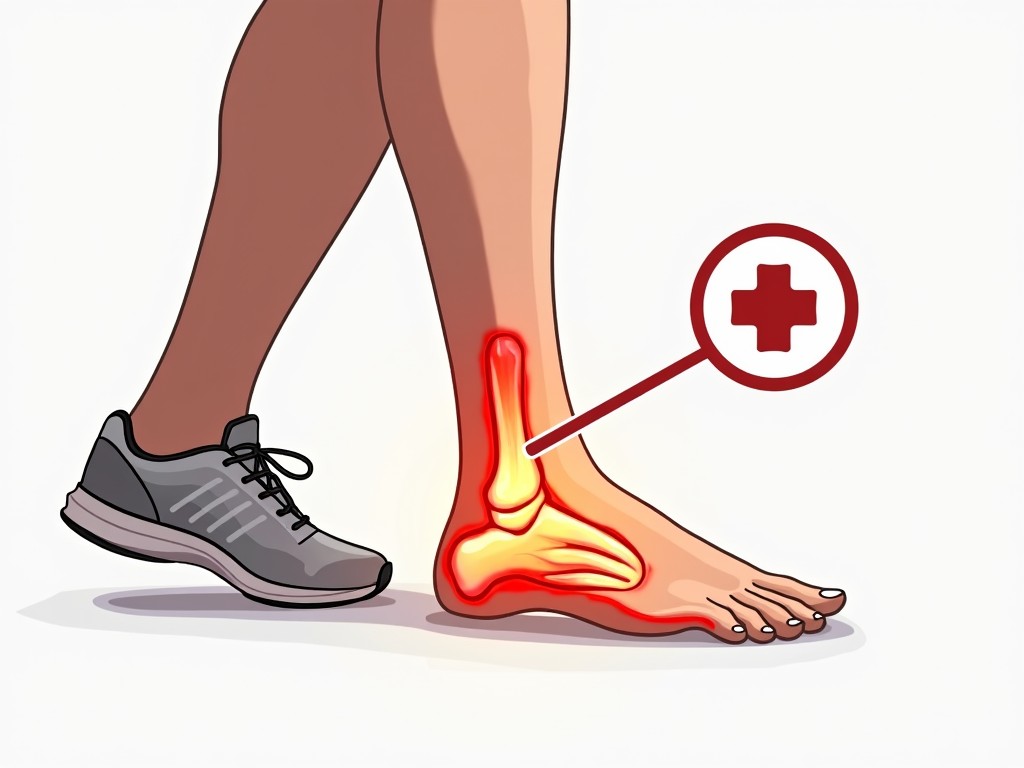
Achilles tendon pain can turn a simple walk into a daily struggle. Whether you’re a seasoned athlete, a weekend runner, or someone who spends long hours on their feet, understanding the Achilles tendon—its function, common injuries, and how to protect it—is essential for maintaining mobility and quality of life.
What Is the Achilles Tendon?
The Achilles tendon is the longest and strongest tendon in the human body, connecting the calf muscles (gastrocnemius and soleus) to the heel bone (calcaneus). It plays a pivotal role in walking, running, jumping, and any activity that involves pushing off the ground. Because of its critical function, it is also one of the most vulnerable structures to overuse and acute injury.
Common Achilles Tendon Problems
Achilles Tendinitis
Achilles tendinitis is inflammation of the tendon, often caused by repetitive stress or sudden increases in activity. Symptoms include:
- Sharp pain behind the heel, especially after rest or in the morning
- Swelling or thickening of the tendon
- Stiffness that improves with gentle movement
- Pain that worsens after running or uphill walking
Achilles Tendon Rupture
A rupture is a sudden, severe injury where the tendon tears partially or completely. It typically presents with:
- Sudden, intense pain in the back of the ankle
- “Popping” sensation at the time of injury
- Difficulty walking or standing on the affected foot
- Visible indentation or “dimple” in the tendon area
Key Risk Factors
- Rapidly increasing running speed or mileage
- Wearing high‑heel or poorly supportive shoes that shorten the tendon
- Skipping warm‑up exercises before activity
- Adding high‑impact or uphill training to a routine without gradual progression
- Flat feet or overpronation, which place extra strain on the tendon
Early Warning Signs to Watch For
- Persistent ache or tenderness behind the heel that lasts more than a few days
- Swelling or a palpable thickening of the tendon
- Weakness or loss of power in the calf muscles
- Morning stiffness that improves after a few minutes of walking
- Localized pain that intensifies after running or jumping
Prevention & Strengthening Strategies
Warm‑Up and Stretching
Before any activity, spend 5–10 minutes warming up with light cardio (e.g., brisk walking or cycling). Follow with dynamic stretches:
- Heel drops: Stand on a step, lower heels below step level, then raise.
- Calf raises: Perform slow, controlled raises and lowers.
- Seated calf stretch: Sit with legs straight, loop a towel around the toes, and gently pull.
Strengthening Exercises
Target the calf muscles and Achilles tendon with these routines:
- Single‑leg calf raises (3 sets of 12–15 reps)
- Resistance band dorsiflexion (3 sets of 15 reps)
- Heel‑to‑toe walking on a curb to improve ankle stability
Footwear & Orthotics
Choose shoes with:
- Good arch support and cushioning
- A moderate heel‑to‑toe drop (around 8–10 mm)
- Stability features for overpronators
Consider custom orthotics if you have flat feet or recurrent pain.
Progressive Training
Increase mileage or intensity by no more than 10% per week. This gradual approach allows the tendon to adapt without sudden overload.
Treatment Options for Achilles Tendon Pain
Conservative Management
- Rest: Avoid activities that aggravate the tendon for 2–3 weeks.
- Ice: Apply 15–20 minutes every 2–3 hours during the first week.
- Compression: Use elastic bandages or compression sleeves.
- Elevation: Keep the foot raised to reduce swelling.
- NSAIDs: Use non‑steroidal anti‑inflammatory drugs as directed.
- Physical therapy: Focus on eccentric calf strengthening and range‑of‑motion exercises.
Advanced Therapies
- Platelet‑Rich Plasma (PRP) injections to stimulate healing.
- Shockwave therapy for chronic tendinopathy.
- Custom taping or bracing to limit tendon movement.
Surgical Intervention
When conservative measures fail or a rupture occurs, surgery may be necessary. Typical steps include:
- Incision near the tendon to remove scar tissue.
- Repair of the torn tendon ends.
- Post‑operative immobilization with a cast or boot for 6–10 weeks.
- Gradual rehabilitation under a physiotherapist’s guidance.
Frequently Asked Questions
Can I run with Achilles tendinitis?
It’s best to avoid high‑impact activities until pain subsides. Low‑impact alternatives like swimming or cycling can help maintain fitness while the tendon heals.
How long does it take to recover from an Achilles rupture?
Recovery varies but typically ranges from 3 to 6 months, depending on the severity and chosen treatment (surgical vs. non‑surgical).
What are the signs of a complete rupture?
Immediate, sharp pain, a “popping” sensation, inability to bear weight, and a visible indentation in the tendon area are classic indicators.
Conclusion
The Achilles tendon is a vital component of our locomotion, yet it is also susceptible to injury from overuse, improper footwear, and sudden changes in activity. By recognizing early warning signs, incorporating targeted strengthening and stretching, and seeking timely medical care, you can protect this essential structure and keep moving pain‑free. If you experience persistent heel pain or suspect a tendon injury, consult an orthopedic specialist or sports medicine professional for an accurate diagnosis and personalized treatment plan.
Considering treatment in Türkiye?
Get a free consultation and cost estimate from verified specialists.