
Understanding and Managing Childhood Headaches: Causes, Symptoms, and Age‑Specific Relief Strategies
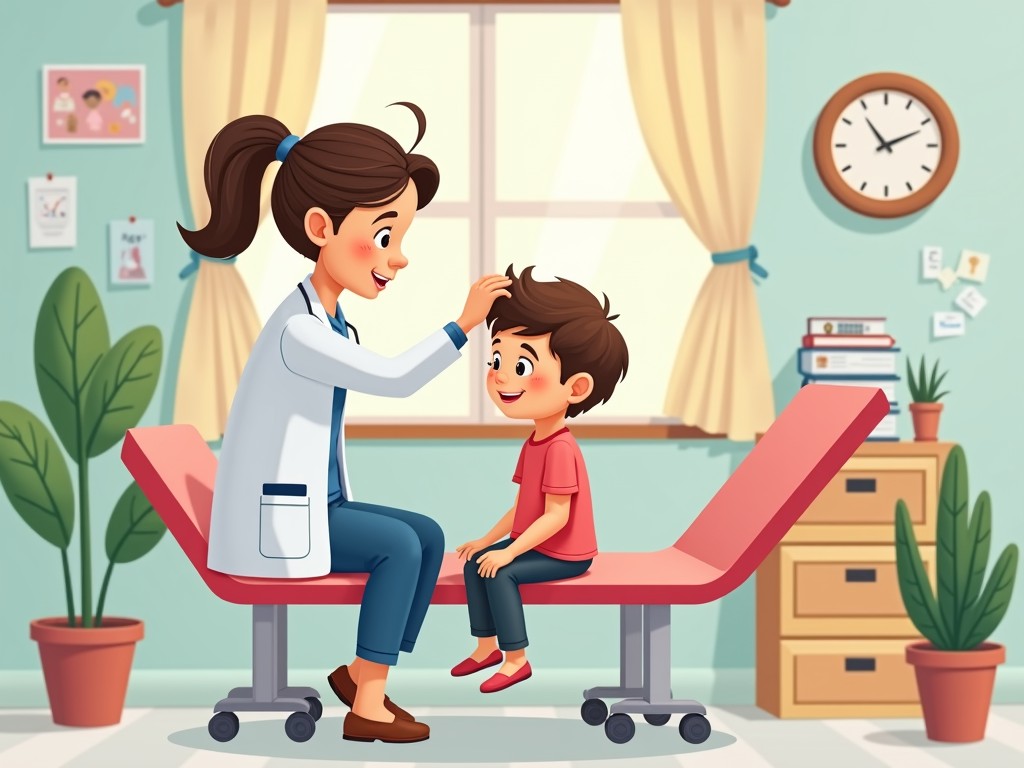
Childhood headaches are a common complaint that can disrupt a child’s daily life, school performance, and overall well‑being. While many headaches are harmless and self‑limited, some may signal more serious health issues. Parents and caregivers need reliable information to recognize warning signs, identify potential causes, and apply effective home‑based relief measures. This guide offers a comprehensive, age‑specific overview of pediatric headache causes, symptoms, and practical solutions.
What Are the Common Causes of Headaches in Children?
Headaches in kids can stem from a variety of factors. Understanding these helps parents decide when to seek medical care and when simple home remedies may suffice.
- Tension‑type headaches – Often linked to stress, poor posture, or prolonged screen time.
- Migraine – Can be triggered by hormonal changes, certain foods, or environmental factors.
- Infections – Viral or bacterial illnesses (e.g., colds, flu, sinusitis) can cause headache.
- Head trauma – Falls or sports injuries may lead to post‑concussion headaches.
- Dehydration – Insufficient fluid intake is a common, easily correctable cause.
- Eye problems – Refractive errors or eye strain from excessive screen use.
- Stress and anxiety – Academic pressure, social issues, or family changes.
- Genetic predisposition – Family history of migraines increases risk.
Age‑Specific Headache Profiles
4‑Year‑Olds: When Headaches Are Hard to Express
At this age, children may not articulate pain. Look for:
- Restlessness or irritability
- Loss of appetite
- Sleep disturbances
- Frequent crying or tantrums
Common triggers include infections, minor head injuries, or dehydration. Ensure adequate hydration, provide a calm environment, and monitor for worsening symptoms. If headaches are severe or recurrent, consult a pediatrician.
5‑Year‑Olds: Simple Relief Techniques
Children can describe pain more clearly. Encourage:
- Quiet, dimly lit rest area
- Cold compress on the forehead or neck
- Warm bath to relax muscles
- Frequent sips of water or electrolyte drinks
Should pain persist or intensify, seek medical advice. Explain the headache in child‑friendly terms to reduce anxiety.
6‑Year‑Olds: School‑Related Stress and Eye Strain
At this age, headaches may relate to:
- Academic workload
- Reading or screen time
- Sinus congestion
Management includes:
- Scheduled breaks during study sessions
- Proper lighting and ergonomic seating
- Eye examinations to rule out refractive errors
- Hydration and balanced meals
- Use of over‑the‑counter pain relievers only under pediatric guidance
7‑Year‑Olds: Social and Family Stressors
Headaches may arise from:
- Peer pressure or bullying
- Family conflicts
- Transition to new school environments
Support strategies:
- Open conversation about feelings
- Teach relaxation techniques (deep breathing, gentle stretching)
- Maintain consistent sleep schedule
- Encourage physical activity to reduce tension
8‑Year‑Olds: Technology Use and Migraine Onset
Screen time can lead to eye strain and migraines. Recommendations:
- Limit continuous screen use to 30‑minute intervals
- Use the 20‑20‑20 rule (every 20 minutes, look 20 feet away for 20 seconds)
- Ensure proper lighting and posture
- Consider prescription glasses if needed
- Apply cold compress and rest when symptoms appear
9‑Year‑Olds: Exam Stress and Emerging Hormonal Changes
Headaches may intensify during:
- Pre‑exam periods
- Early puberty hormonal shifts
Effective measures include:
- Structured study schedules with breaks
- Mindfulness or yoga sessions
- Professional counseling if anxiety is severe
- Regular medical check‑ups for migraine assessment
10‑Year‑Olds: Transition to Adolescence
Hormonal fluctuations and social pressures can trigger headaches. Manage with:
- Consistent sleep hygiene (8–10 hours nightly)
- Balanced diet rich in fruits, vegetables, and whole grains
- Regular physical activity (sports, dance, or walking)
- Scheduled medical evaluations for persistent or severe headaches
- Education on proper medication use and potential side effects
When to Seek Professional Care
Parents should consult a healthcare provider if:
- Headaches are sudden, severe, or accompanied by vomiting, vision changes, or weakness.
- There is a history of head injury.
- Headaches interfere with school attendance or daily activities.
- Pain persists beyond 48 hours despite home care.
- There are signs of infection (fever, sore throat, congestion).
FAQ About Childhood Headaches
Q: Can headaches be a sign of a serious condition?
A: While most headaches are benign, certain patterns—such as sudden onset, worsening over time, or associated neurological symptoms—warrant medical evaluation to rule out conditions like meningitis, brain tumors, or concussions.
Q: Are over‑the‑counter pain relievers safe for kids?
A: Medications like acetaminophen or ibuprofen can be used as directed, but always follow dosage guidelines based on weight and age. Avoid aspirin in children due to the risk of Reye’s syndrome.
Q: How can I reduce my child’s screen‑related headaches?
A: Implement the 20‑20‑20 rule, ensure proper lighting, encourage breaks, and consider blue‑light‑blocking glasses if symptoms persist.
Q: Should I worry about my child’s headaches if they have a family history of migraines?
A: A genetic predisposition increases risk, but early lifestyle interventions—adequate sleep, hydration, stress management—can mitigate frequency and severity.
Conclusion
Headaches are a common pediatric issue that can stem from simple, manageable causes or signal more serious health concerns. By recognizing age‑specific symptoms, implementing targeted home remedies, and knowing when to seek professional care, parents can help their children maintain healthy, active lives. Prioritizing hydration, balanced nutrition, adequate sleep, and stress‑reduction techniques creates a solid foundation for preventing and easing childhood headaches.
Considering treatment in Türkiye?
Get a free consultation and cost estimate from verified specialists.