
How Summer Heat Affects Your Body: Symptoms, Prevention, and Heat Stroke Guide
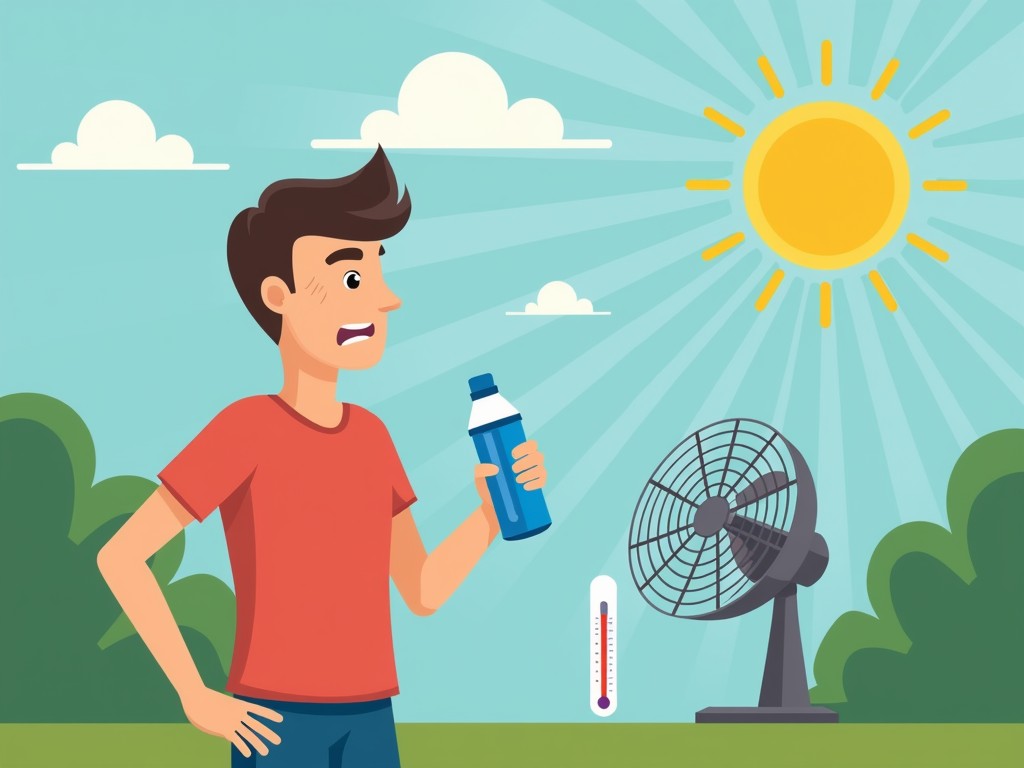
Summer is a season of sunshine, beach trips, and outdoor adventures. Yet, the very heat that makes the season enjoyable can also become a silent threat to our health. Understanding how high temperatures impact the body, recognizing early warning signs, and taking proactive steps can help you stay safe and comfortable during the hottest months.
1. The Body’s Internal Thermostat
Our bodies maintain an optimal internal temperature of about 37°C (98.6°F). This equilibrium is achieved through a sophisticated balance of heat production and heat loss. When the external environment rises above 22–24°C (72–75°F), the body’s cooling mechanisms—primarily sweating and vasodilation—are activated to keep the core temperature stable.
1.1 How Sweating Works
When the core temperature climbs, sweat glands secrete moisture onto the skin. As sweat evaporates, it carries heat away, cooling the body. However, this process requires water and electrolytes. In extreme heat, the body can lose up to a liter of sweat per hour, especially when the ambient temperature exceeds 35°C (95°F).
1.2 Consequences of Excessive Sweating
- Reduced blood flow to vital organs (brain, heart, kidneys)
- Electrolyte imbalance leading to muscle cramps
- Dehydration, which impairs organ function and increases fatigue
- Potential for heat exhaustion and heat stroke if cooling fails
2. Heat Exhaustion vs. Heat Stroke
Both conditions stem from the body’s inability to regulate temperature, but they differ in severity and urgency.
2.1 Heat Exhaustion
Occurs when the body’s cooling system is overwhelmed but not yet failed. Symptoms include:
- Heavy sweating and clammy skin
- Weakness, dizziness, and nausea
- Muscle cramps and headache
- Fainting or feeling faint
2.2 Heat Stroke
Heat stroke is a medical emergency. The core temperature rises above 40°C (104°F), and the body’s cooling mechanisms shut down. Symptoms are more severe:
- Confusion, seizures, or loss of consciousness
- Rapid heartbeat and low blood pressure
- Red, hot, or dry skin (in some cases, sweating may stop)
- Severe headache, nausea, and vomiting
- Potential organ damage if not treated promptly
3. Recognizing Early Warning Signs
Early detection is key to preventing progression from heat exhaustion to heat stroke. Watch for:
- Red, itchy skin or small red bumps (heat rash)
- Muscle cramps or swelling
- Rapid heartbeat or palpitations
- Feeling unusually weak or disoriented
- Increased thirst that isn’t satisfied by drinking water
4. Prevention Strategies
4.1 Stay Hydrated
Don’t wait for thirst to signal dehydration. Aim to drink 150–200 ml (5–7 oz) of water every 15–20 minutes, especially during outdoor activities. Use electrolyte‑rich drinks if you’re sweating heavily.
4.2 Dress Appropriately
- Wear loose, light‑colored clothing that allows sweat to evaporate
- Choose breathable fabrics like cotton or moisture‑wicking blends
- Use a wide‑brimmed hat and sunglasses for sun protection
4.3 Plan Activities Wisely
- Schedule strenuous tasks for early morning or late afternoon when temperatures are lower
- Take frequent breaks in shaded or air‑conditioned areas
- Use cooling towels or misting fans during breaks
4.4 Monitor Weather Conditions
Check the heat index, which combines temperature and humidity. High humidity hampers sweat evaporation, increasing heat stress. Avoid outdoor exposure when the heat index exceeds 35°C (95°F).
5. Who Is at Higher Risk?
- Children and the elderly (impaired thermoregulation)
- People with cardiovascular or respiratory conditions
- Obese individuals (greater heat production)
- Those on medications that affect sweating or blood pressure (beta‑blockers, diuretics, psychiatric drugs)
- People with chronic pain or inflammatory conditions (increased sensitivity to heat)
6. First‑Aid for Heat‑Related Illnesses
6.1 Heat Exhaustion
- Move the person to a cooler area.
- Loosen tight clothing and remove excess layers.
- Offer cool water or an electrolyte drink.
- Apply cool, damp cloths or a fan to help evaporate sweat.
- Monitor for worsening symptoms; seek medical help if consciousness is lost or symptoms persist.
6.2 Heat Stroke
- Call emergency services immediately.
- Move the person to a shaded or air‑conditioned space.
- Loosen clothing and gently cool the body with cool water, ice packs (under the armpits, groin, and neck), or a fan.
- Do not give fluids if the person is unconscious or vomiting.
- Monitor vital signs and keep the person lying flat with legs elevated.
7. Frequently Asked Questions
Q: How much water should I drink during a hot day?
A: Aim for 2–3 liters (8–12 cups) of water per day, increasing intake during physical activity or when temperatures rise above 30°C (86°F).
Q: Can I use alcohol or caffeine to stay cool?
No. Alcohol and caffeine are diuretics that can worsen dehydration. Stick to water, electrolyte drinks, or herbal teas.
Q: Is it safe to exercise in high humidity?
Exercise is safer in low humidity because sweat evaporates more efficiently. In high humidity, limit intensity and duration, and take extra breaks.
8. Conclusion
Summer heat can be exhilarating, but it also poses significant health risks if we’re not prepared. By understanding how the body regulates temperature, recognizing early warning signs, staying hydrated, dressing appropriately, and knowing first‑aid steps, you can enjoy the season while protecting yourself from heat exhaustion and heat stroke. Remember, prevention is the best cure—stay cool, stay hydrated, and stay safe.
Considering treatment in Türkiye?
Get a free consultation and cost estimate from verified specialists.