
The Ultimate Guide to Fixed Retainers After Orthodontic Treatment: Why They’re Essential and How to Care for Them
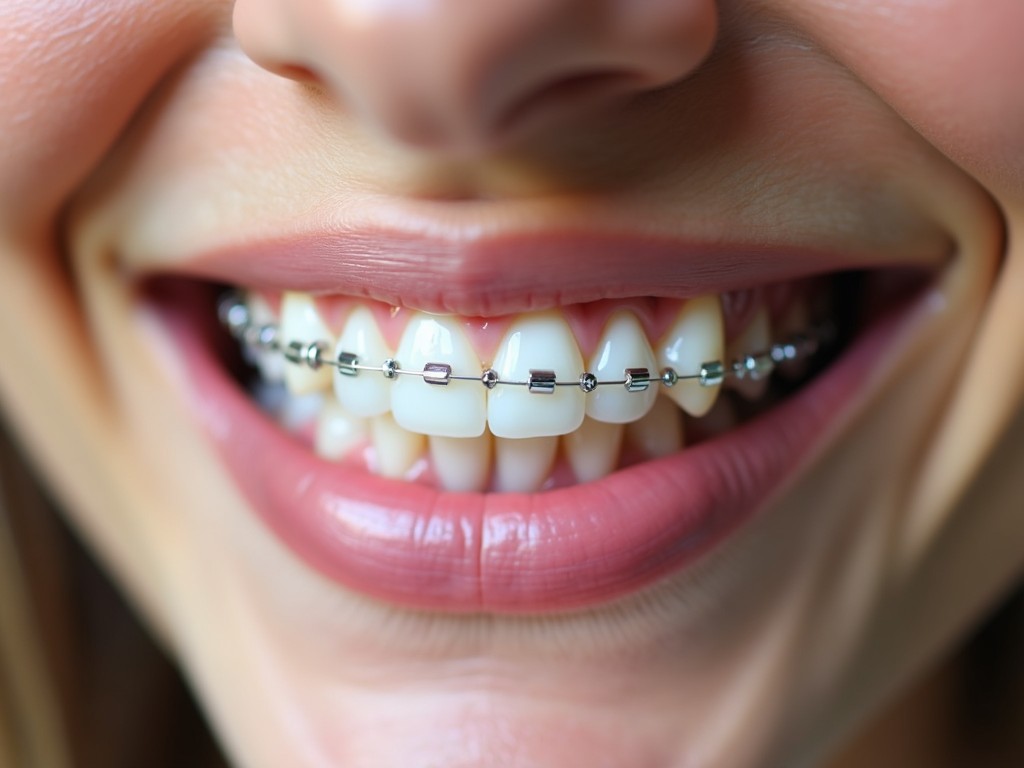
After the braces are removed, the real work begins. Your teeth have been guided into a new position, but without a safeguard, they can drift back to their old misalignments. A fixed retainer—an invisible wire bonded to the back of your teeth—provides that crucial support. In this comprehensive guide, we’ll explore what a fixed retainer is, why it’s often mandatory, how to maintain it, and what to do if it breaks. Whether you’re a recent orthodontic patient or a parent preparing your child for the next step, this article will give you the knowledge you need to keep your smile stable for life.
What Is a Fixed Retainer?
A fixed retainer is a thin, flexible wire that is bonded to the inner surfaces of the front teeth (usually the lower incisors). Unlike removable retainers, it stays in place permanently, ensuring that the teeth remain in their corrected positions. The wire is almost invisible, making it a discreet solution for maintaining orthodontic results.
Why Is a Fixed Retainer Often Mandatory?
Orthodontic treatment corrects misaligned or crooked teeth, but the underlying bone and gum structure can still exert forces that push teeth back toward their original positions. A fixed retainer:
- Prevents backward movement of teeth into gaps.
- Stops teeth from overlapping or crowding again.
- Maintains the long‑term stability of the orthodontic outcome.
- Provides a cost‑effective solution compared to additional orthodontic adjustments.
In many cases, especially for patients with significant crowding or complex movements, orthodontists recommend a fixed retainer as a standard part of the post‑treatment protocol.
When Is a Fixed Retainer Not Recommended?
While fixed retainers are beneficial for most patients, certain dental conditions may make them unsuitable:
- Severe tooth decay or weak enamel that could crack when bonding.
- Existing fillings or crowns on the front teeth that might interfere with bonding.
- Patients with a history of periodontal disease that could be aggravated by the wire.
- Cases where the orthodontist determines that a removable retainer will suffice.
In such scenarios, the orthodontist will discuss alternative retention options.
How to Care for Your Fixed Retainer
Proper maintenance is key to ensuring your retainer lasts and your teeth stay healthy. Follow these guidelines:
- Brush twice daily with a soft‑bristle brush and fluoride toothpaste, focusing on the back surfaces of the teeth.
- Use a floss threader or a specialized flossing tool to clean between the wire and the teeth.
- Consider an interdental brush or a water flosser for deeper cleaning.
- Visit your dentist or orthodontist every 6–12 months for a professional cleaning and check‑up.
- Avoid chewing on hard objects (ice, pens, hard candy) that could damage the wire.
- Inform your orthodontist immediately if you notice any discomfort, loose bonding, or wire movement.
What Happens If the Retainer Wire Breaks?
Even though fixed retainers are designed to be durable, they can occasionally break or become loose. If this happens:
- Do not attempt to fix it yourself.
- Schedule an appointment with your orthodontist as soon as possible.
- The orthodontist will assess the damage and either replace the wire or re‑bond a new one.
- In most cases, the replacement cost is covered by the original treatment plan, but it’s best to confirm with your clinic.
How Long Do Fixed Retainers Stay in Place?
Most orthodontists recommend keeping a fixed retainer bonded for at least 4–6 years after braces removal. Some patients may keep it for life, especially if they have a history of relapse. The exact duration depends on:
- The severity of the original misalignment.
- Age and growth patterns.
- Compliance with oral hygiene.
- Orthodontist’s assessment during follow‑up visits.
Special Considerations for Children
Children’s teeth are still developing, and their orthodontic treatment can be more complex. Parents should:
- Ensure the child follows strict oral hygiene routines.
- Schedule regular check‑ups to monitor the retainer’s integrity.
- Discuss with the orthodontist whether a short‑term or long‑term retainer is appropriate.
- Educate the child on the importance of keeping the retainer in place.
Frequently Asked Questions (FAQ)
Is a fixed retainer painful?
Most patients experience minimal discomfort during the bonding process, which usually resolves within a day or two. If you feel persistent pain, contact your orthodontist.
Can I remove a fixed retainer myself?
No. Removing a fixed retainer requires specialized dental tools and expertise. Attempting to remove it can damage your teeth.
Will a fixed retainer affect my speech?
Initially, you may notice a slight change in pronunciation, but most people adapt quickly. If speech issues persist, discuss them with your orthodontist.
What if I lose my fixed retainer?
In the rare event that the bonding fails and the wire detaches, you should seek immediate dental care. The orthodontist can re‑bond a new wire or recommend a removable retainer.
Conclusion
A fixed retainer is a silent guardian that preserves the hard work of orthodontic treatment. By understanding its purpose, caring for it properly, and knowing what to do if problems arise, you can enjoy a stable, beautiful smile for years to come. If you’re ready to take the next step after braces, consult your orthodontist about whether a fixed retainer is right for you—and keep that smile shining bright!
Considering treatment in Türkiye?
Get a free consultation and cost estimate from verified specialists.