
Hallux Valgus Surgery Process: What to Expect from Diagnosis to Recovery
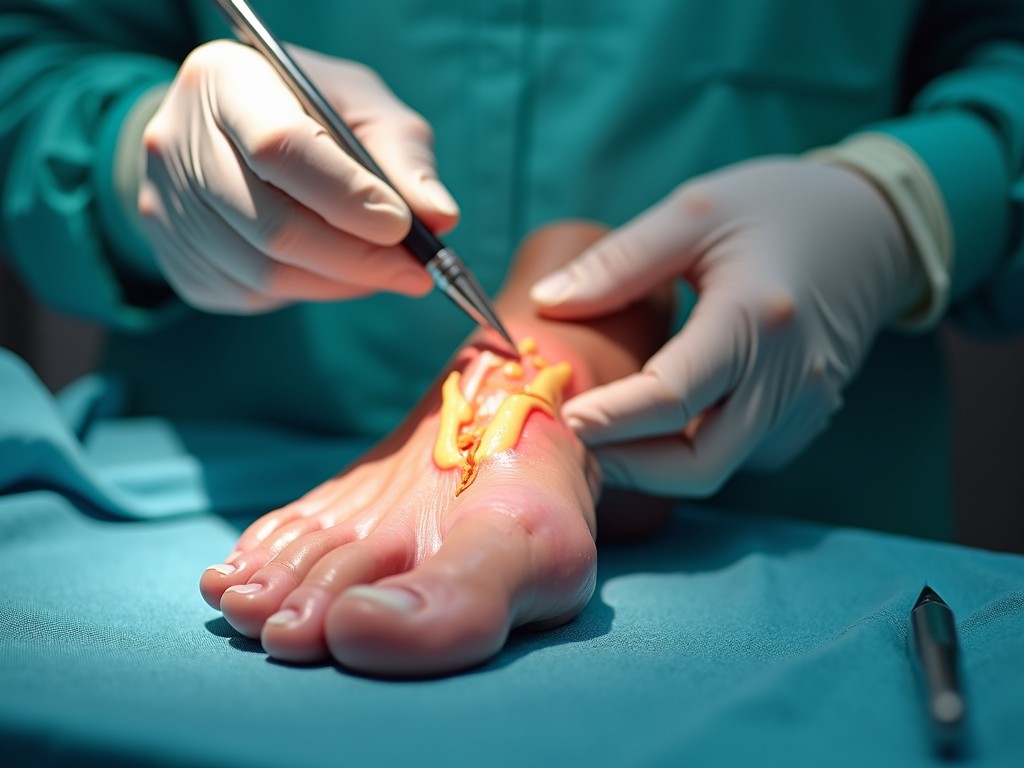
Hallux valgus, commonly known as a bunion, is a progressive foot deformity that can cause significant pain and limit daily activities. If conservative measures fail and the deformity worsens, surgery may be the most effective solution. This guide walks you through the entire Hallux Valgus Surgery Process, from initial assessment to post‑operative care, so you can make an informed decision and prepare for a smooth recovery.
Understanding Hallux Valgus
A hallux valgus deformity occurs when the big toe (hallux) deviates laterally toward the second toe, creating a prominent bump on the medial side of the foot. Over time, the angle between the first metatarsal and the proximal phalanx widens, leading to:
- Sharp pain during walking or standing
- Difficulty wearing shoes
- Inflammation and skin irritation around the bunion
- Secondary problems in adjacent toes due to altered foot mechanics
While the condition can start in adolescence, it often becomes symptomatic in adulthood. The decision to proceed with Hallux Valgus Treatment depends on pain severity, functional limitation, and the degree of deformity.
When Surgery Is the Right Choice
Consider surgical intervention if:
- Non‑operative treatments (orthotics, footwear changes, anti‑inflammatory medication) no longer provide relief.
- The deformity angle exceeds 15–20 degrees.
- Daily activities are significantly impaired.
- You are over 19 years old and the bone growth has stabilized.
There is no upper age limit; many older adults successfully undergo hallux valgus surgery with excellent outcomes.
Pre‑operative Preparation
Imaging and Consultation
Before the appointment, obtain standing AP and lateral foot X‑rays. These images help the surgeon assess the severity and plan the procedure. During the consultation, discuss:
- Current medications (especially aspirin or other anticoagulants).
- Any herbal supplements that may affect bleeding.
- Smoking habits, as tobacco impairs healing.
Medication Management
Stop aspirin or other blood thinners at least one week before surgery. Inform your surgeon about all supplements and over‑the‑counter drugs.
Smoking Cessation
Quitting smoking before surgery improves tissue oxygenation and reduces the risk of complications. Avoid smoking during the healing period as well.
The Day of Surgery
Key points to remember:
- Fast for at least 8 hours before the procedure.
- Arrive at the hospital 2 hours prior to the scheduled time.
- Choose between general anesthesia or spinal/epidural anesthesia based on your preference and medical history.
- Single‑foot surgery typically lasts ~45 minutes; bilateral surgery ~90 minutes.
- After the operation, you will rest in a recovery room for a short period before being transferred to your room.
Hospital Stay and Immediate Post‑operative Care
Most patients stay overnight and are discharged the next day. Key aspects of the hospital phase include:
- Wearing a custom surgical shoe that fits your foot precisely.
- No cast or splint is applied.
- Using a walking frame or crutches is usually unnecessary; you can walk immediately with the surgical shoe.
- You will wear the surgical shoe for 6 weeks (approximately 1.5 months).
Home Recovery: 1.5 Months of Care
Bandage and Dressing Management
Bandages are removed on day 15. After removal, the transparent dressings will fall off on their own. Do not attempt to remove them prematurely.
Bathing Guidelines
For the first 15 days, keep bandages dry. If you need to bathe, use a shower with water flowing over the foot (avoid soaking). After bandage removal, you may shower normally but dry the foot thoroughly with a hair dryer.
Medication Adherence
Take prescribed pain relievers and antibiotics exactly as directed. Follow up with your surgeon for any concerns.
Nutrition and Lifestyle
Consume a protein‑rich diet to support tissue healing. Avoid smoking and limit alcohol intake during recovery.
Activity Restrictions
- Immediately after surgery, you can walk with full weight on the foot.
- No sports or high‑impact activities for 6 weeks.
- Light activities can resume after 6 weeks.
- Full return to sports is typically possible after 3 months.
Work Considerations
Office workers may return to work in 4–5 days. Those who stand or walk extensively may need 10–12 weeks. Discuss a tailored return‑to‑work plan with your surgeon.
Follow‑Up and Long‑Term Outcomes
Key follow‑up milestones:
- First visit: 1 week post‑op.
- Second visit: 3 days after discharge if traveling from out of town.
- Radiograph: 6 weeks post‑op to assess bone healing.
- Note: The sutures used are dissolvable; no removal is necessary.
Most patients experience significant pain relief and improved foot function. Regular follow‑ups ensure any complications are addressed promptly.
Frequently Asked Questions
What is the success rate of hallux valgus surgery?
Success rates exceed 90% when the procedure is performed by an experienced foot and ankle surgeon and the patient follows post‑operative instructions.
Will I need a cast after surgery?
No. The surgical shoe provides adequate support, and early mobilization promotes faster healing.
Can I wear normal shoes after recovery?
Yes, once the surgical shoe is removed and the foot has fully healed, you can transition to regular footwear. However, choose shoes with a wide toe box to avoid recurrence.
Conclusion
Hallux valgus surgery is a well‑established, effective treatment for severe bunions that cause pain and functional limitations. By understanding the Hallux Valgus Surgery Process—from pre‑operative imaging and medication management to post‑operative care and follow‑up—you can prepare yourself for a successful outcome. If you’re experiencing persistent pain or difficulty walking, consult a foot specialist to determine whether surgery is the right next step for you.
Considering treatment in Türkiye?
Get a free consultation and cost estimate from verified specialists.