
Botox 101: Where It Works, Who Benefits, and Why It’s a Game‑Changer for Men and Women
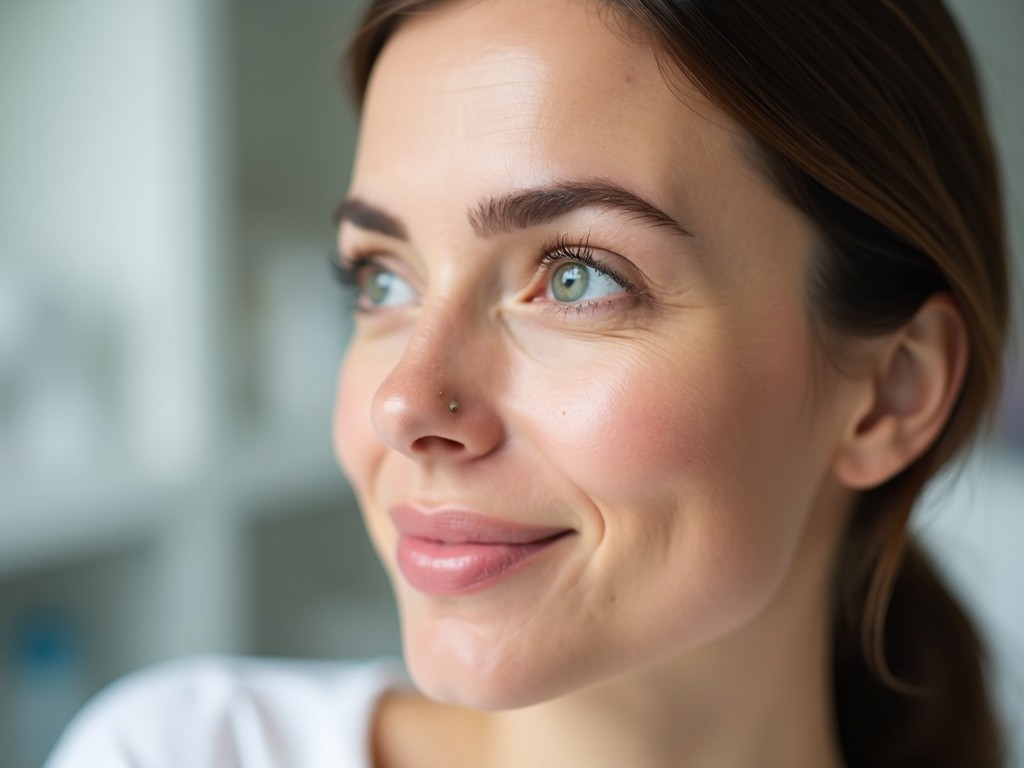
Botox has become a household name in cosmetic medicine, but many still wonder where it can be applied, who should consider it, and why it remains so popular. This guide breaks down the science, the most effective treatment areas, and the growing trend of men using Botox for a refreshed, confident look.
What Is Botox and How Does It Work?
Botox is a purified toxin produced by the bacterium Clostridium botulinum. When injected in tiny, diluted doses, it temporarily blocks nerve signals to targeted muscles, causing them to relax. This relaxation smooths out dynamic wrinkles—those that form when we move—making the skin appear softer and younger.
Key Areas Botox Targets on the Face
While Botox can be used almost anywhere on the face, certain regions respond best and provide the most noticeable results. Below are the top zones and what you can expect.
1. Forehead Lines
The forehead is the first area to show age‑related changes because the frontalis muscle is constantly active. Botox injections here can reduce horizontal lines within minutes, with effects lasting up to six months.
2. Crow’s Feet (Eye Corners)
These fine lines appear when you smile or squint. Botox smooths the orbicularis oculi muscle, giving you a more relaxed, youthful eye area.
3. Frown Lines (Glabellar Lines)
Between the eyebrows, the corrugator and procerus muscles create deep frown lines. Botox relaxes these muscles, reducing the appearance of a tired or angry expression.
4. Mouth Corner Lines (Perioral Lines)
Also known as “smoker’s lines,” these wrinkles form around the lips. Even non‑smokers can benefit from Botox to soften these lines.
5. Neck Bands
As the platysma muscle tightens, horizontal bands appear on the neck. Botox can relax this muscle, smoothing the neck and improving the jawline.
6. Chin and Jawline
Botox can soften a pronounced jawline or “double chin” by relaxing the masseter muscle, giving a more contoured look.
Who Should Consider Botox?
Botox is not limited to a specific age or gender. The decision to start treatment depends on individual goals, skin condition, and lifestyle.
- Early Prevention: People in their 20s with sun damage or early fine lines may start Botox to delay deeper wrinkles.
- Mid‑Life Refresh: Those in their 30s and 40s often use Botox to maintain a smooth appearance without surgery.
- Men: Increasingly, men are turning to Botox for subtle wrinkle reduction, jawline definition, and migraine relief.
- Migraine Sufferers: Botox can reduce migraine frequency and intensity by relaxing facial muscles.
Why Botox Is So Popular
Several factors contribute to Botox’s enduring popularity:
- Minimal Invasiveness: No incisions, short downtime, and quick results.
- Versatility: Treats wrinkles, migraines, excessive sweating, and even certain medical conditions.
- Safety: When administered by a qualified professional, Botox has a strong safety record.
- Visible, Natural Results: Proper technique preserves facial expression while smoothing lines.
Botox for Men: A Growing Trend
Men’s cosmetic market has expanded dramatically. Male patients often seek:
- Dynamic wrinkle reduction (forehead, crow’s feet, frown lines)
- Jawline refinement for a more masculine profile
- Improved confidence in professional settings
- Non‑surgical migraine relief
Because men typically have thicker skin and more pronounced muscle activity, they may require slightly higher doses, but the overall procedure remains the same.
What to Expect During a Botox Session
1. Consultation: Your provider will assess your facial anatomy and discuss goals.
2. Preparation: The area is cleaned; a topical numbing cream may be applied.
3. Injection: Using a fine needle, the practitioner injects Botox into specific muscles.
4. Post‑Treatment: You may experience mild swelling or bruising for a few hours, but most patients resume normal activities immediately.
5. Results: Visible improvement typically appears within 3–5 days, with full effect by two weeks.
Frequently Asked Questions
Is Botox painful?
Most patients report only a brief pinch during injection. A topical anesthetic can further reduce discomfort.
How long does Botox last?
Results generally last 3–6 months, after which repeat treatments maintain the effect.
Can I combine Botox with other treatments?
Yes. Botox is often paired with dermal fillers, chemical peels, or laser therapy for comprehensive rejuvenation.
Are there side effects?
Common side effects include temporary bruising, swelling, or mild headache. Serious complications are rare when performed by an experienced provider.
Conclusion
Botox remains a cornerstone of modern aesthetic medicine, offering safe, effective wrinkle relief for both men and women. By targeting key facial muscles—forehead, eye corners, frown lines, mouth corners, neck bands, and jawline—patients can achieve a natural, refreshed look with minimal downtime. Whether you’re a 25‑year‑old looking to prevent early signs of aging or a 45‑year‑old seeking a subtle lift, Botox provides a versatile solution that adapts to your unique goals. Consult a qualified practitioner today to explore how Botox can help you look and feel your best.
Considering treatment in Türkiye?
Get a free consultation and cost estimate from verified specialists.