
Testis Prosthesis Surgery in Istanbul: What You Need to Know About Procedure, Costs, and Recovery
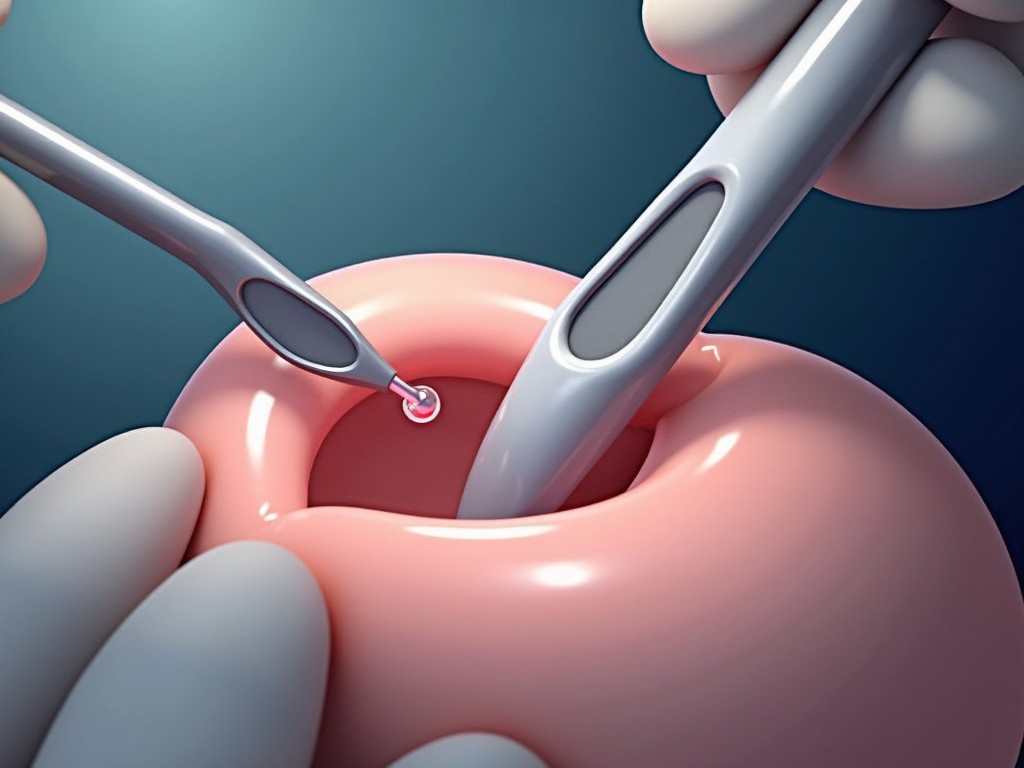
When a man loses a testicle due to cancer, trauma, or congenital absence, the impact goes beyond the physical. The loss can affect self‑image, confidence, and even intimate relationships. Fortunately, modern medicine offers a solution: the testis prosthesis. In this guide, we’ll walk you through what a testis prosthesis is, how the surgery is performed, the costs involved, and what to expect during recovery. Whether you’re considering the procedure or simply curious, this article provides a comprehensive, evidence‑based overview.
What Is a Testis Prosthesis?
A testis prosthesis is a medical implant designed to replace one or both testicles after surgical removal. Made from biocompatible silicone or silicone‑elastomer filled with sterile saline, the implant mimics the size, shape, and feel of a natural testicle. While it does not restore hormonal or reproductive function, it restores the external appearance of the scrotum, providing significant psychological relief.
When Is a Testis Prosthesis Recommended?
- After radical orchiectomy for testicular cancer.
- Following traumatic loss of a testicle.
- In cases of congenital absence (cryptorchidism) where one testicle is missing.
- When a patient desires a symmetrical scrotum for aesthetic reasons.
Types of Testis Prostheses
Modern prostheses come in two main categories:
- Silicone Gel Implants – Similar to breast implants, these are pre‑filled with silicone gel, offering a natural feel.
- Silicone Elastomer with Saline Fill – The implant is filled with sterile saline during surgery, allowing for slight adjustments in volume.
Choosing the right size is crucial. If one testicle remains, the prosthesis should match its dimensions to maintain symmetry.
How Is the Surgery Performed?
Testis prosthesis placement is a minimally invasive procedure that can be performed under local, spinal, or general anesthesia. Most surgeons, including Dr. Haluk Söylemez in Istanbul, prefer local anesthesia with a small incision in the scrotum. The steps are:
- Preparation – The patient is positioned, and the surgical field is sterilized.
- Incision – A 1–2 cm cut is made in the scrotal skin.
- Implant Placement – The prosthesis is inserted into the scrotal sac.
- Securing the Implant – A single stitch holds the implant in place to prevent movement.
- Closure – The incision is closed with absorbable sutures, and a light dressing is applied.
The entire procedure typically lasts 15–20 minutes, and patients can often return home the same day.
What Are the Costs?
In Istanbul, the price of a testis prosthesis surgery varies based on the surgeon’s expertise, the type of implant, and the clinic’s facilities. On average:
- Single testis prosthesis: USD 1,200 – 1,800
- Double testis prosthesis: USD 2,400 – 3,600
- Additional fees for anesthesia, pre‑op tests, and post‑op follow‑ups may apply.
Many clinics offer financing options or package deals that include pre‑operative imaging and post‑operative care.
Post‑Operative Care and Recovery
Recovery is generally quick, but following your surgeon’s instructions is essential for optimal results:
- Keep the scrotum elevated for the first 24–48 hours.
- Apply cold packs to reduce swelling.
- Take prescribed pain medication as directed.
- Avoid heavy lifting and strenuous activity for at least one week.
- Refrain from swimming or hot tubs for two weeks.
- Attend all scheduled follow‑up appointments to monitor implant position.
Most patients experience mild swelling and discomfort that resolves within a week. Full return to normal activities is typically possible after 7–10 days.
Potential Complications
While rare, complications can occur:
- Allergic reaction to the implant material.
- Infection at the incision site.
- Bleeding or hematoma formation.
- Implant displacement or deformation.
- Foreign body sensation that may diminish over time.
Prompt medical attention can address most issues, and revision surgery is available if necessary.
Is the Surgery Safe for Younger Patients?
Because the scrotum and testicles continue to develop until the late teens, surgeons typically recommend waiting until after puberty. Early placement may result in a smaller implant relative to the natural testicle as the patient grows. If a child requires a prosthesis, parents should be aware that a future revision may be necessary.
Patient Experiences
Surveys show high satisfaction rates among men who receive testis prostheses. Many report:
- Improved body image and self‑confidence.
- Reduced anxiety about physical appearance.
- Positive impact on intimate relationships.
- Comfortable, natural feel of the implant.
These testimonials underscore the psychological benefits that complement the physical restoration.
Frequently Asked Questions
1. Does a testis prosthesis affect hormone levels?
No. The implant is purely cosmetic and does not produce hormones or affect fertility.
2. Can I wear underwear or swim after surgery?
Underwear can be worn after 24–48 hours, but swimming should be avoided for at least two weeks.
3. Will the implant look natural?
When sized correctly and placed properly, the implant closely mimics the appearance of a natural testicle.
4. How long does the implant last?
Silicone implants are designed to be durable for many years, but they may require replacement if complications arise.
Conclusion
A testis prosthesis offers a safe, effective way to restore the external appearance of the scrotum after testicular loss. With experienced surgeons like Dr. Haluk Söylemez in Istanbul, patients can expect a minimally invasive procedure, reasonable costs, and a swift return to daily life. By understanding the types of implants, surgical steps, recovery protocols, and potential risks, you can make an informed decision that supports both your physical and emotional well‑being.
Considering treatment in Türkiye?
Get a free consultation and cost estimate from verified specialists.