
Cesarean Section Explained: What, Why, How & When to Expect a C‑Section
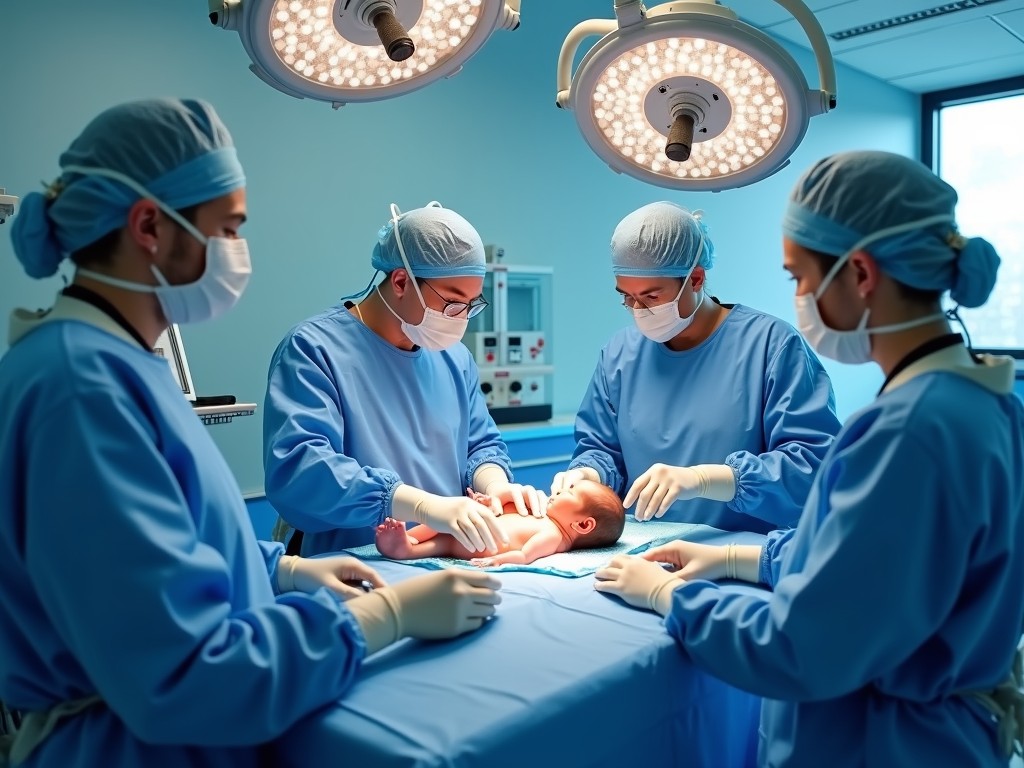
Cesarean section (often called a C‑section) is one of the most common surgical procedures performed worldwide. While many expect a natural vaginal birth, medical advances and changing health trends mean that a growing number of mothers choose or need a C‑section. This guide breaks down everything you need to know about the procedure, its indications, how it’s performed, and what to expect before, during, and after the operation.
What Is a Cesarean Section?
A Cesarean section is a surgical delivery in which the baby is removed through incisions made in the mother’s abdomen and uterus. The operation is performed under anesthesia and is typically reserved for situations where a vaginal birth would pose a risk to the mother or baby.
Why Is a C‑Section Performed?
Modern obstetrics has identified several scenarios that warrant a Cesarean delivery. Understanding these indications helps expectant parents make informed decisions and prepares them for the possibility of a surgical birth.
- Cephalopelvic Disproportion (CPD) – The baby’s head or body is too large to pass safely through the mother’s pelvis.
- Multiple Gestations – Twins or higher-order multiples increase the risk of complications during vaginal delivery.
- Placenta Previa – The placenta covers the cervical opening, blocking the baby’s exit.
- Fetal Malposition – Breech (feet first) or transverse (sideways) positions can make vaginal birth unsafe.
- Labor Arrest – When the cervix fails to dilate after a period of active labor.
- Cord Prolapse or Tethering – The umbilical cord becomes compressed or wrapped around the baby’s neck.
- Fetal Distress – Abnormal heart rate patterns indicating the baby is not tolerating labor.
- Maternal Health Conditions – Pre‑existing illnesses such as hypertension, diabetes, or infections that could jeopardize a vaginal delivery.
How Is a Cesarean Section Performed?
The procedure follows a well‑defined sequence, ensuring safety for both mother and baby. Below is a step‑by‑step overview:
Pre‑operative Preparation
- Medical evaluation and necessary lab tests.
- Insertion of an intravenous line for medication and fluids.
- Placement of a urinary catheter to monitor bladder function during surgery.
- Discussion of anesthesia options: general anesthesia (full unconsciousness) or regional anesthesia (epidural/spinal).
The Surgical Procedure
- Incision – A horizontal (bikini line) cut is made in the abdominal wall.
- Uterine Opening – A similar incision is made in the uterus to access the amniotic sac.
- Delivery – The amniotic sac is opened, and the baby is gently extracted.
- Placenta Removal – The placenta is delivered and removed.
- Cord Clamping – The umbilical cord is clamped and cut.
- Post‑delivery Care – The baby receives immediate neonatal assessment and, if desired, skin‑to‑skin contact with the mother.
- Closure – The uterine and abdominal incisions are sutured in layers.
Duration of the Operation
From the moment the incision is made to the final suturing, a Cesarean section typically takes 50–60 minutes. The actual birth of the baby usually occurs within 15–20 minutes of the incision.
When Is a Cesarean Section Usually Scheduled?
While many C‑sections are performed emergently, planned Cesarean deliveries are often scheduled around the 39th to 40th week of gestation. This timing balances fetal maturity with the risk of spontaneous labor. In cases of medical necessity, the procedure may be performed earlier.
Recovery and Post‑operative Care
Recovery from a Cesarean section involves:
- Monitoring for bleeding, infection, and pain management.
- Gradual return to normal activities, typically 4–6 weeks.
- Breastfeeding support, as the mother’s body adjusts to hormone changes.
- Follow‑up visits to assess incision healing and overall health.
Frequently Asked Questions
Is a C‑section safe for the baby?
Yes. Modern Cesarean sections are performed with strict sterile techniques and careful monitoring, ensuring the baby’s safety.
Can I have a vaginal birth after a C‑section?
Many women successfully undergo a vaginal birth after Cesarean (VBAC). However, the decision depends on the type of uterine incision, the reason for the previous C‑section, and the mother’s overall health.
What are the risks of a Cesarean section?
Risks include infection, hemorrhage, blood clots, and anesthesia complications. Long‑term risks may involve adhesions and future pregnancy complications.
How long does it take to recover from a C‑section?
Most mothers feel ready to resume light activities within a week, but full recovery can take 6–8 weeks. Each individual’s healing timeline varies.
Conclusion
A Cesarean section is a life‑saving procedure that has become increasingly common due to medical advances and changing maternal health profiles. By understanding the indications, process, and recovery, expectant parents can approach the decision with confidence and clarity. Whether the C‑section is planned or emergent, the priority remains the safety and well‑being of both mother and baby.
Considering treatment in Türkiye?
Get a free consultation and cost estimate from verified specialists.