
Fibroblast Therapy: The Cutting‑Edge Stem Cell Solution for Anti‑Aging and Skin Rejuvenation
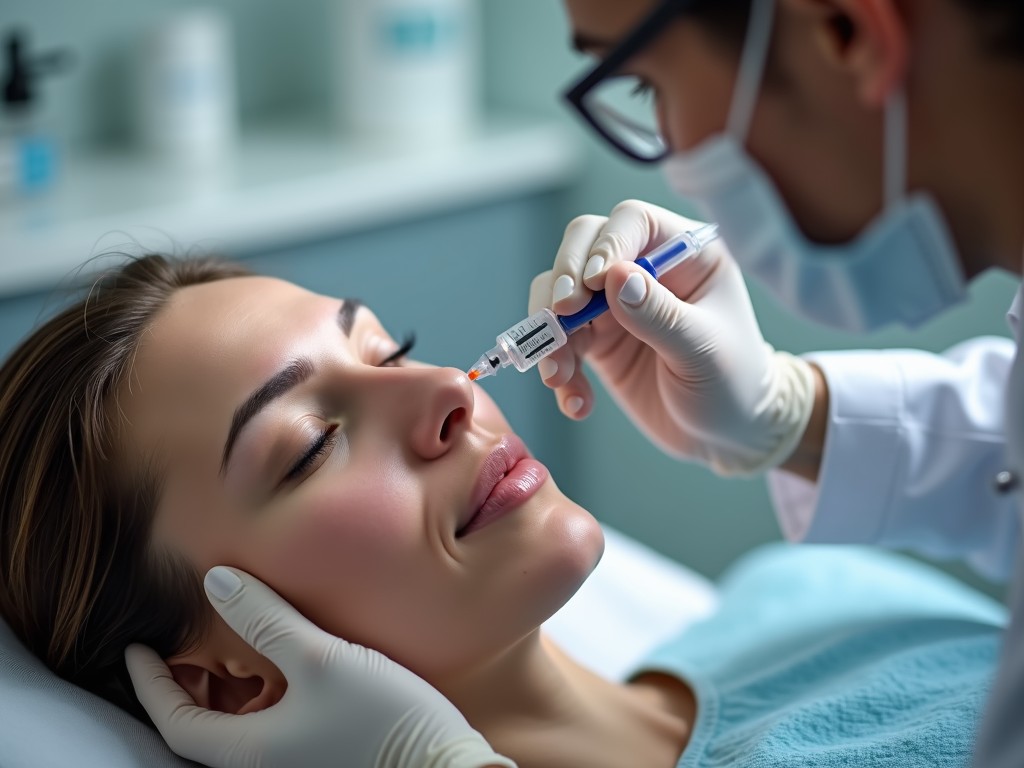
Fibroblast therapy has emerged as a revolutionary anti‑aging treatment that harnesses the power of a patient’s own stem cells to restore skin elasticity, reduce wrinkles, and heal scars. By extracting fibroblast cells from a small area behind the ear, expanding them in a sterile laboratory, and re‑injecting them into targeted facial or body zones, clinicians can trigger natural collagen and elastin production, giving patients a smoother, firmer complexion without the risks associated with synthetic fillers or invasive surgery.
What Is Fibroblast Therapy?
Fibroblast therapy, also known as fibroblast stem cell treatment, involves harvesting fibroblast cells from the patient’s own skin—typically the area behind the ear, the inner forearm, or the groin. After local anesthesia, a tiny biopsy is taken, and the cells are cultured in a controlled environment for about a month. Once the desired cell density is achieved, the expanded fibroblasts are injected back into the patient’s face or body, where they stimulate collagen and elastin production, improving skin texture and firmness.
Why Choose Fibroblast Therapy?
Unlike many cosmetic procedures, fibroblast therapy offers a natural, safe, and long‑lasting solution. Here are the key benefits:
- Natural results – Uses the patient’s own cells, eliminating the risk of allergic reactions.
- Minimal side effects – Only mild redness, swelling, or bruising may occur, resolving within a few days.
- Anti‑aging power – Boosts collagen and elastin, reducing fine lines, wrinkles, and sagging skin.
- Versatile applications – Effective for acne scars, stretch marks, burn scars, surgical scars, hair loss, and lip augmentation.
- Long‑lasting results – Effects can last 4–5 years, with the possibility of repeat treatments.
Who Can Benefit?
Fibroblast therapy is suitable for both men and women in their 30s and 40s, the ideal age range for maximum results. However, it can also be applied to:
- Patients with chronic wounds or non‑healing ulcers.
- Individuals seeking to improve the appearance of surgical or traumatic scars.
- Those looking to prevent or treat hair loss.
- People wanting to enhance lip volume naturally.
The Treatment Process
Step 1: Biopsy and Cell Harvesting
A small sample of skin is taken from the chosen donor site under local anesthesia. The biopsy is typically the size of a pea, ensuring minimal discomfort and scarring.
Step 2: Cell Cultivation
The sample is transported in a cold chain to a certified laboratory where fibroblast cells are isolated and cultured. Within approximately 30–45 days, the cells multiply to reach the required concentration.
Step 3: Injection Sessions
Patients usually undergo three injection sessions, spaced a few weeks apart. Each session delivers 20–40 million fibroblast cells, totaling around 100 million cells per treatment course. The injections are performed in the targeted areas—forehead, cheeks, neck, or body—using fine needles to ensure precise placement.
Step 4: Post‑Treatment Care
After each session, patients may experience mild swelling or bruising. No downtime is required, and normal activities can resume immediately. Results typically become noticeable after the second session, with the most significant improvement observed 4–6 weeks post‑treatment.
Frequently Asked Questions
Is fibroblast therapy safe?
Yes. Because the cells are autologous (derived from the patient’s own body), the risk of rejection or allergic reaction is virtually nonexistent. The procedure is performed under sterile conditions, and the cells are cultured in a GMP‑compliant laboratory.
How long do the results last?
Results can last up to 4–5 years, depending on individual skin condition and lifestyle factors. A repeat treatment can be scheduled after this period to maintain the benefits.
What are the side effects?
Common side effects include temporary redness, swelling, bruising, or itching at the injection site. These usually resolve within a few days without intervention.
Can I combine fibroblast therapy with other cosmetic procedures?
Absolutely. Fibroblast therapy can be combined with microneedling, laser resurfacing, or dermal fillers to enhance overall results. Always consult with a qualified dermatologist or plastic surgeon before combining treatments.
How much does it cost?
Pricing varies by clinic and region. In Turkey, the cost is regulated by the Ministry of Health, and clinics are not allowed to publish prices online. Contact a licensed clinic for a personalized consultation and cost estimate.
Choosing the Right Clinic
When selecting a provider, look for:
- Board‑certified dermatologists or plastic surgeons.
- GMP‑certified laboratories for cell culture.
- Positive patient testimonials and before‑after galleries.
- Transparent consultation process and individualized treatment plans.
Conclusion
Fibroblast therapy represents a paradigm shift in anti‑aging and scar management. By leveraging the body’s own regenerative cells, patients can achieve natural, long‑lasting improvements in skin texture, firmness, and overall appearance. Whether you’re looking to smooth fine lines, heal scars, or simply maintain youthful skin, fibroblast therapy offers a safe, effective, and minimally invasive solution. Schedule a consultation with a certified clinic today to explore how this cutting‑edge treatment can transform your skin.
Considering treatment in Türkiye?
Get a free consultation and cost estimate from verified specialists.