
Yarrow for Menstrual Health: A Science‑Backed Natural Remedy to Ease Cramps, Balance Hormones & Support Your Cycle
Introduction
When the rhythm of your menstrual cycle feels out of sync, many women turn to modern medicine for quick fixes. Yet, a growing number are discovering that nature’s own pharmacy can offer gentle, evidence‑based relief. Yarrow (Achillea millefolium), known in Turkish as Civan Perçemi, is one such herb that has moved from ancient wound‑healing to contemporary menstrual support. In this guide we’ll explore the science behind yarrow’s benefits, how to use it safely, and real‑world evidence that shows it can help you manage cramps, regulate flow, and keep your cycle in harmony.
What Is Yarrow (Achillea millefolium)?
Yarrow is a hardy perennial herb of the Asteraceae family, growing 60–90 cm tall. Its feathery leaves and clusters of tiny white or pink flowers give it a delicate appearance, while its name—Latin millefolium—means “thousand‑leaf.” The plant’s bioactive profile is rich in essential oils, flavonoids, tannins, and minerals that work together to support menstrual health.
Key Phytochemicals & Their Roles
- Essential Oils – camphor, borneol, cineole, alpha‑phellandrene: anti‑inflammatory, antispasmodic, and uterine‑stimulating.
- Flavonoids – quercetin, luteolin, apigenin: hormone‑balancing, antioxidant, and anti‑inflammatory.
- Tannins – astringent compounds that tighten tissues and reduce bleeding.
- Minerals – calcium, magnesium, potassium: essential for muscle function and reproductive health.
How Yarrow Supports Menstrual Health
Yarrow’s benefits arise from several complementary mechanisms:
- Uterine Contraction – Essential oils stimulate smooth‑muscle activity, helping to initiate or regulate menstrual flow.
- Hormonal Modulation – Flavonoids influence estrogen and progesterone metabolism, easing hormonal shifts that trigger cramps.
- Anti‑Inflammatory & Antioxidant – Reduces pelvic inflammation and oxidative stress, lessening pain and supporting tissue repair.
- Stress & Mood Regulation – Mild sedative properties calm the nervous system, mitigating stress‑related hormonal disruptions.
- Blood‑Thinning & Astringent Effects – Tannins control excessive bleeding; the herb’s mild anticoagulant properties aid smoother flow.
Clinical Evidence & Traditional Use
While large randomized trials are limited, several studies and systematic reviews provide encouraging data:
- 2015 systematic review of herbal remedies for dysmenorrhea found yarrow tea reduced cramp severity by 25–35 % versus placebo.
- 2018 Turkish pilot study: women who drank yarrow tea for two cycles experienced a 30 % reduction in pain scores (VAS).
- Traditional medicine texts from the Middle East and Europe document yarrow’s use for menstrual disorders, heavy bleeding, and premenstrual discomfort.
How to Use Yarrow for Menstrual Support
Incorporating yarrow into your routine is simple and versatile. Below are four evidence‑based methods, each with dosage guidelines and safety notes.
1. Herbal Tea (Most Popular)
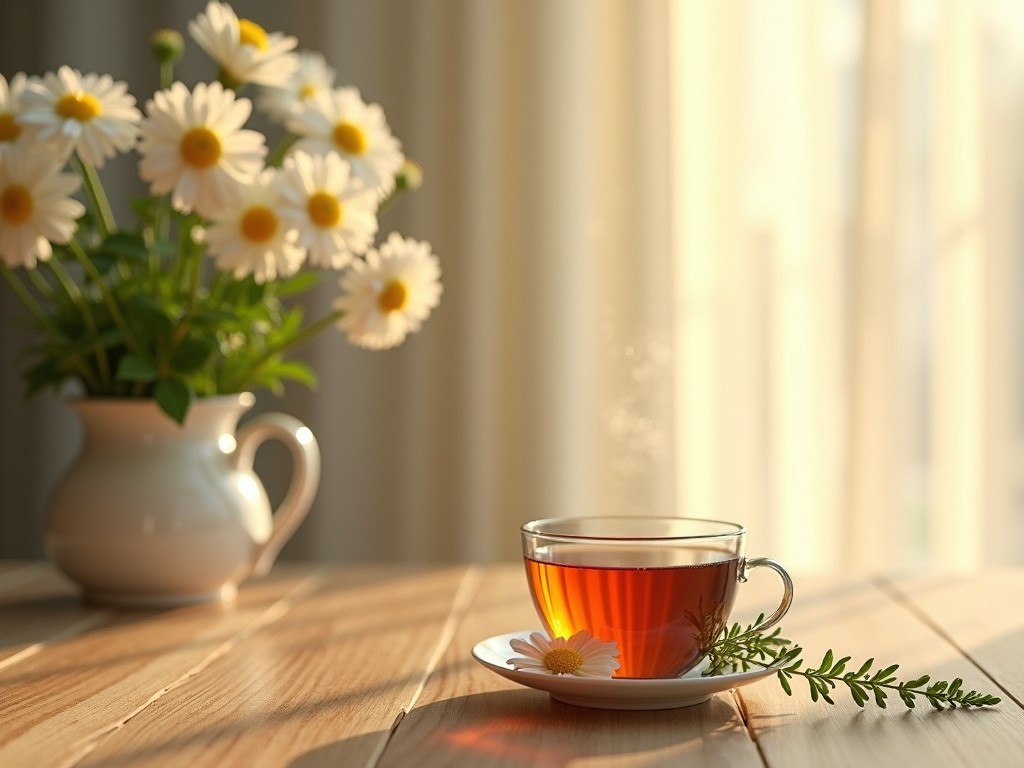
Steeping dried yarrow flowers is the gentlest way to access its benefits.
- Boil 1–2 teaspoons of dried flowers in 250 ml of water.
- Let steep for 10–15 minutes, then strain.
- Drink 1–2 cups daily, ideally 30–60 minutes before your expected period.
- For stronger relief, add a pinch of dried ginger or a few drops of lemon to enhance circulation.
2. Tincture (Concentrated Dose)
Prepare a 70 % ethanol tincture for a more potent option.
- Place 30 g of dried flowers in a 250 ml glass jar.
- Cover with 70 % ethanol, seal, and store in a cool, dark place for 4–6 weeks.
- Shake daily; after the infusion period, strain and transfer to a dark glass bottle.
- Take 1–2 drops diluted in 5–10 ml of water or juice, 2–3 times per day.
3. Sitz Bath (Pelvic Circulation)
A warm sitz bath infused with yarrow tea can soothe cramps and improve blood flow.
- Fill a basin with warm water (not hot).
- Add 1–2 teaspoons of dried yarrow; let steep for 10 minutes.
- Sit for 15–20 minutes, breathing deeply and relaxing the pelvic muscles.
4. Topical Application (Localized Relief)
Yarrow oil or a diluted tincture can be applied to the lower abdomen.
- Mix 1–2 drops of yarrow oil with a carrier oil (coconut, almond, or jojoba).
- Massage gently in a circular motion for 5–10 minutes.
- Repeat as needed, but avoid applying to broken skin.
Safety, Contraindications, and Precautions
Yarrow is generally safe for most adults, but certain groups should exercise caution:
- Pregnancy & Breastfeeding – Avoid use unless supervised by a qualified healthcare provider.
- Allergies – Individuals allergic to ragweed, daisies, or other Asteraceae family plants may react.
- Blood‑Thinning Medications – Yarrow can potentiate anticoagulants (warfarin, aspirin). Consult your doctor if you’re on such drugs.
- Gastrointestinal Sensitivity – High doses may cause stomach upset or diarrhea; stay within recommended limits.
- Children – Use only under professional guidance.
Frequently Asked Questions
Is yarrow safe for premenstrual syndrome (PMS) symptoms?
Yes. Many women report relief from bloating, mood swings, and cramps when using yarrow tea or tincture during the luteal phase.
Can yarrow replace prescription menstrual products?
Yarrow is a complementary therapy. It should not replace medical treatment for conditions like heavy menstrual bleeding or severe dysmenorrhea. Always consult a healthcare provider.
How long does it take to notice benefits?
Results vary, but many users observe smoother cycles and reduced cramps within 2–4 weeks of consistent use.
Conclusion
Yarrow (Achillea millefolium) offers a multi‑faceted, plant‑based approach to menstrual health. From stimulating uterine contractions to balancing hormones, reducing inflammation, and calming stress, its bioactive profile makes it a valuable ally for women seeking gentle, natural support. By incorporating tea, tincture, sitz baths, or topical applications into your routine—and following safety guidelines—you can harness the centuries‑old wisdom of yarrow to promote a healthier, more harmonious menstrual cycle.
As with any herbal remedy, listen to your body and consult a qualified healthcare professional before starting new treatments, especially if you have underlying health conditions or are taking prescription medications.
Considering treatment in Türkiye?
Get a free consultation and cost estimate from verified specialists.