
Hallux Valgus Treatment Journey: From Diagnosis to Recovery
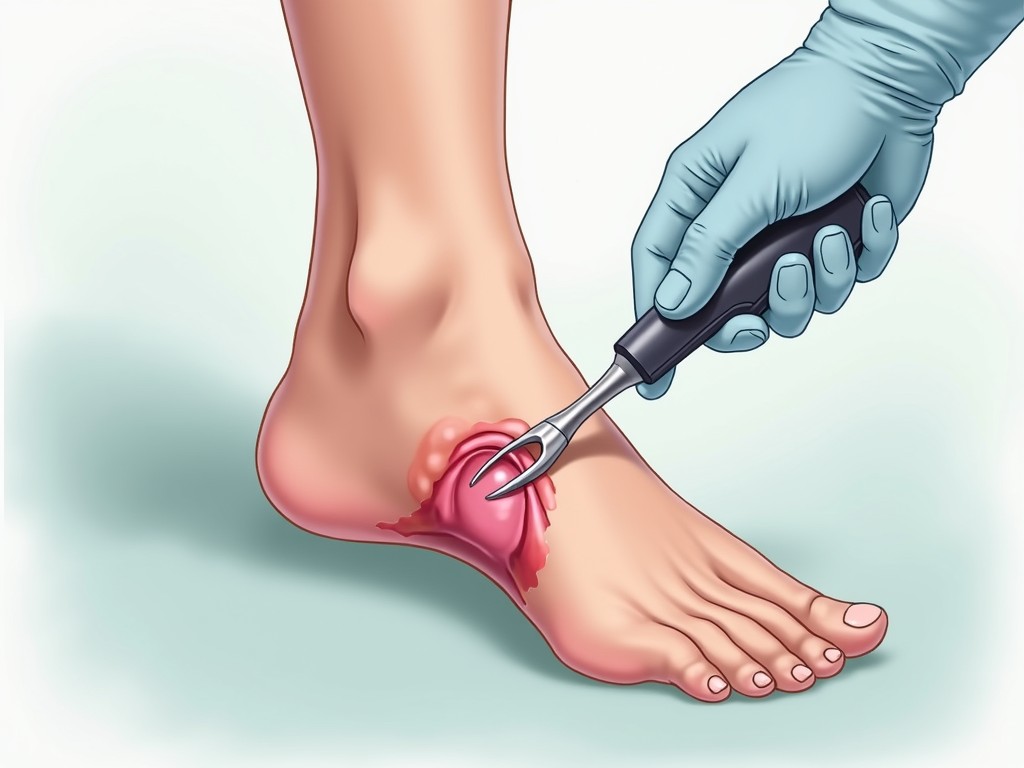
Hallux Valgus, commonly known as a bunion, can cause significant pain, mobility issues, and cosmetic concerns. Understanding the full treatment process—from pre‑operative assessment to post‑surgical recovery—empowers patients to make informed decisions and achieve the best possible outcomes. This guide provides a comprehensive, step‑by‑step overview of Hallux Valgus treatment, tailored for patients and healthcare professionals alike.
1. What Is Hallux Valgus and Why Is Surgery Often Needed?
Hallux Valgus is a deformity where the big toe deviates toward the second toe, creating a prominent bump on the foot’s medial side. While mild cases can be managed with footwear changes and orthotics, advanced deformities often require surgical correction to relieve pain, restore foot mechanics, and prevent further joint damage.
2. Pre‑operative Evaluation: Laying the Foundation for Success
2.1 Imaging: Bilateral Weight‑Bearing X‑Rays
Before surgery, both feet are photographed while standing. These weight‑bearing X‑rays reveal the angle of the deformity, bone alignment, and any secondary joint changes. The radiographic data guide the surgeon in selecting the most appropriate technique.
2.2 Laboratory Tests
- Complete blood count (CBC) to rule out anemia or infection.
- Urinalysis to detect urinary tract infections or metabolic issues.
- Coagulation profile if the patient has a bleeding disorder.
2.3 Gait Analysis
Dynamic gait analysis identifies how the bunion affects walking patterns. The results help predict postoperative functional outcomes and tailor rehabilitation protocols.
2.4 Medical Clearance
Patients with comorbidities—such as cardiovascular disease, diabetes, or respiratory conditions—undergo additional evaluations by cardiology, internal medicine, or pulmonology to ensure they can safely tolerate anesthesia and surgery.
3. The Day of Surgery: Preparation and Procedure
3.1 Pre‑operative Checklist
- Fast for at least 6 hours before anesthesia.
- Remove nail polish and clean the toes thoroughly.
- Confirm all lab results and imaging are available.
- Discuss anesthesia options and pain‑management plans with the anesthesiologist.
3.2 Anesthesia and Pain Control
Most Hallux Valgus surgeries are performed under local or regional anesthesia. A foot block may be used to reduce postoperative pain, allowing for earlier mobilization.
3.3 Surgical Techniques
The choice of procedure depends on the deformity’s severity and the presence of additional joint problems:
- Osteotomy – Cutting and realigning the metatarsal bone to correct the angle.
- Exostectomy – Removing the bony bump to relieve pressure.
- Joint Fusion (Arthrodesis) – Fusing the joint when osteotomy is not feasible, especially in patients with hypermobility or rheumatoid arthritis.
- Soft‑tissue procedures – Tightening or releasing ligaments to improve toe alignment.
4. Post‑operative Care: From Hospital to Home
4.1 Immediate Post‑operative Period
Patients typically stay 2–3 nights in the hospital. Key points include:
- No weight bearing on the operated foot for the first 24–48 hours.
- Elevation and ice packs to control swelling.
- Pain medication as prescribed.
- Short, supervised walks in the hallway on day two.
4.2 Home Recovery Timeline
- Weeks 1–2: Gentle range‑of‑motion exercises, keep the foot elevated, and apply ice every 2–3 hours.
- Week 3: Remove stitches (usually on day 15) and begin wearing supportive footwear.
- Weeks 4–6: Gradual return to normal shoes; start light walking and avoid high‑impact activities.
- Month 3–4: May resume sports or high‑impact activities if pain-free.
- Month 6: Full return to daily life; most patients report complete resolution of symptoms.
4.4 Rehabilitation and Physical Therapy
Physical therapy focuses on restoring strength, flexibility, and proprioception. Typical exercises include toe curls, ankle pumps, and balance drills. A custom orthotic may be prescribed to support the foot during the healing phase.
5. Follow‑Up and Monitoring
Regular follow‑ups are essential to monitor bone healing and detect complications early. Patients usually undergo:
- Clinical assessment every 3 weeks for the first 3 months.
- Radiographs at 6 weeks, 3 months, and 6 months to evaluate bone union.
- Assessment of gait and functional scores (e.g., AOFAS Hallux score).
6. Common Complications and How to Avoid Them
- Infection: Maintain strict wound hygiene; report redness, swelling, or fever immediately.
- Delayed union or non‑union: Ensure adequate blood supply and avoid premature weight bearing.
- Recurrence: Proper surgical technique and postoperative orthotics reduce the risk.
- Soft‑tissue irritation: Use appropriate footwear and consider custom insoles.
7. Frequently Asked Questions (FAQ)
Q: How long does Hallux Valgus surgery take?
Single‑foot procedures usually last 1–1.5 hours; bilateral surgeries may take 2.5–3 hours.
Q: When can I drive after surgery?
Most patients can drive 4–6 weeks post‑operatively, once pain is controlled and they can safely operate the pedals.
Q: Will I need to wear special shoes forever?
After full recovery, many patients return to normal footwear. However, some may benefit from supportive shoes or orthotics for long‑term comfort.
Conclusion
Hallux Valgus surgery, when performed with meticulous pre‑operative planning, precise surgical technique, and diligent postoperative care, offers lasting relief from pain and functional impairment. By understanding each phase of the treatment journey—from imaging and lab work to rehabilitation and follow‑up—patients can actively participate in their recovery and achieve optimal outcomes. If you suspect you have a bunion or are considering surgery, consult a foot‑and‑ankle specialist to discuss personalized treatment options.
Considering treatment in Türkiye?
Get a free consultation and cost estimate from verified specialists.