
Lip Filler Aftercare: How to Prevent and Treat Lip Dryness After a Lip Filler Procedure
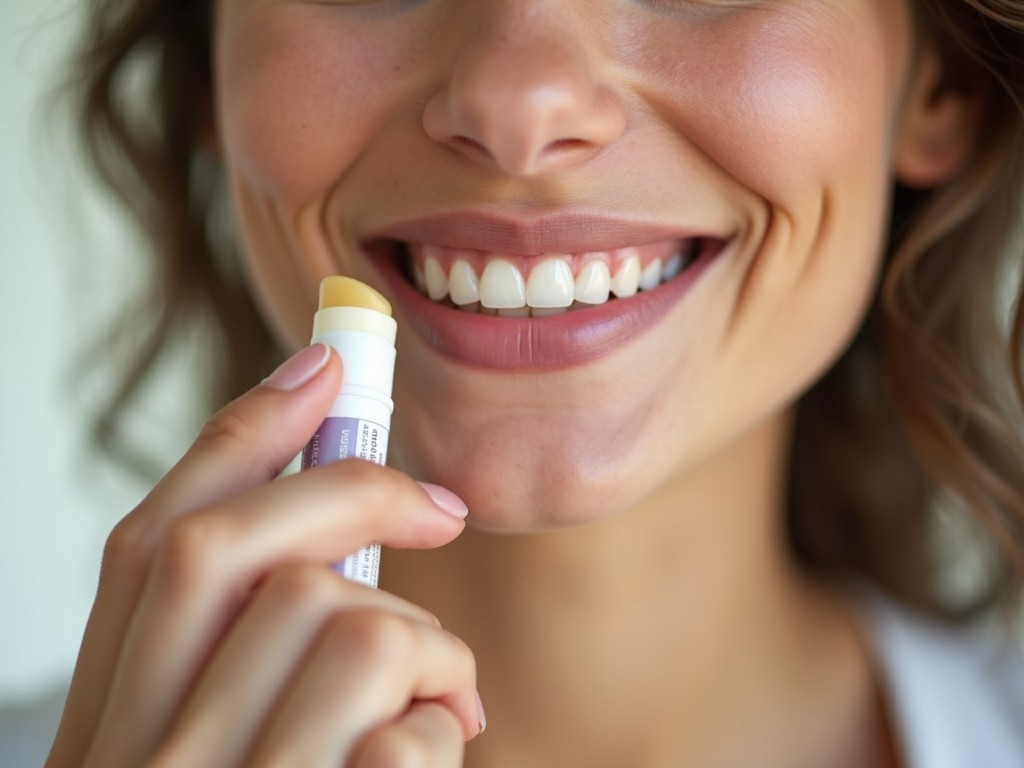
Are you experiencing dry, cracked lips after your recent lip filler treatment? Lip dryness is a common, yet often overlooked, side effect that can undermine the confidence boost you expected from a fuller pout. Understanding why it happens, how to manage it, and what steps you can take to prevent it will help you keep your lips looking and feeling healthy while enjoying the aesthetic benefits of your filler.
What Causes Lip Dryness After a Lip Filler?
Several factors can contribute to post‑procedure lip dryness:
- Filler Composition: Many fillers contain hyaluronic acid (HA) or other polymers that can temporarily alter the skin’s moisture balance. If the filler lacks moisturizing agents, the lips may feel drier.
- Injection Technique: Improper placement or excessive pressure can damage the delicate lip tissue, leading to inflammation and reduced natural lubrication.
- Individual Skin Response: Each person’s skin reacts differently. Some may be more prone to dryness due to genetics, climate, or pre‑existing conditions.
- Environmental Factors: Cold, wind, or low humidity can exacerbate dryness, especially in the first few days after the procedure.
Recognizing the Symptoms of Lip Dryness
Typical signs include:
- Visible cracks or fissures along the lip line
- A tight, uncomfortable feeling that worsens when you speak or eat
- Color changes, such as a dull or slightly reddish hue
- Occasional itching or a burning sensation
Immediate Aftercare: First 48 Hours
Following your appointment, the first 48 hours are critical for minimizing dryness:
- Keep Lips Moist: Apply a high‑quality lip balm or a natural oil (e.g., jojoba, almond, or coconut) every 2–3 hours.
- Avoid Irritants: Stay away from spicy foods, alcohol, and smoking, which can aggravate dryness.
- Protect from the Elements: Use a lip shield or apply a broad‑spectrum SPF lip balm when outdoors.
- Hydrate Internally: Drink at least 8 glasses of water daily to support overall skin hydration.
Long‑Term Management and Prevention
Once the initial swelling subsides, continue these practices to keep your lips supple:
- Use a lip moisturizer with hyaluronic acid or ceramides twice daily.
- Incorporate a gentle lip scrub once a week to remove dead skin cells.
- Maintain a balanced diet rich in omega‑3 fatty acids, vitamins A, C, and E.
- Schedule regular follow‑up appointments with your aesthetic practitioner to monitor filler integrity and lip health.
When to Seek Professional Help
If dryness persists beyond two weeks, becomes severe, or is accompanied by:
- Persistent redness or swelling
- Unusual pain or tenderness
- Signs of infection (pus, foul odor, or fever)
Contact your dermatologist or the clinic that performed the filler. Early intervention can prevent complications such as granuloma formation or prolonged scarring.
Frequently Asked Questions (FAQ)
Is lip dryness normal after a filler?
Yes, mild dryness is common and usually resolves within a few days with proper care.
Can I use any lip balm?
Choose fragrance‑free, non‑comedogenic balms. Avoid products with menthol or camphor, which can irritate the lips.
Will the dryness affect the longevity of the filler?
Proper hydration supports tissue health but does not directly influence filler duration. However, excessive rubbing or scratching can cause micro‑trauma, potentially accelerating filler absorption.
How long does it take for the lips to feel normal again?
Most patients notice improvement within 3–5 days. Full recovery, including the return of natural moisture balance, may take up to two weeks.
Conclusion
Dry lips after a filler can be uncomfortable, but with attentive aftercare and a few simple lifestyle adjustments, you can keep your pout plump, smooth, and healthy. Remember to follow your practitioner’s instructions, stay hydrated, and protect your lips from harsh environmental factors. If symptoms linger or worsen, don’t hesitate to seek professional guidance. By prioritizing lip health, you’ll enjoy the confidence that comes with a beautiful, well‑maintained smile.
Considering treatment in Türkiye?
Get a free consultation and cost estimate from verified specialists.