
Vnotes Scarless Uterine Fibroid Surgery: 7 Key Advantages and Patient Success Stories
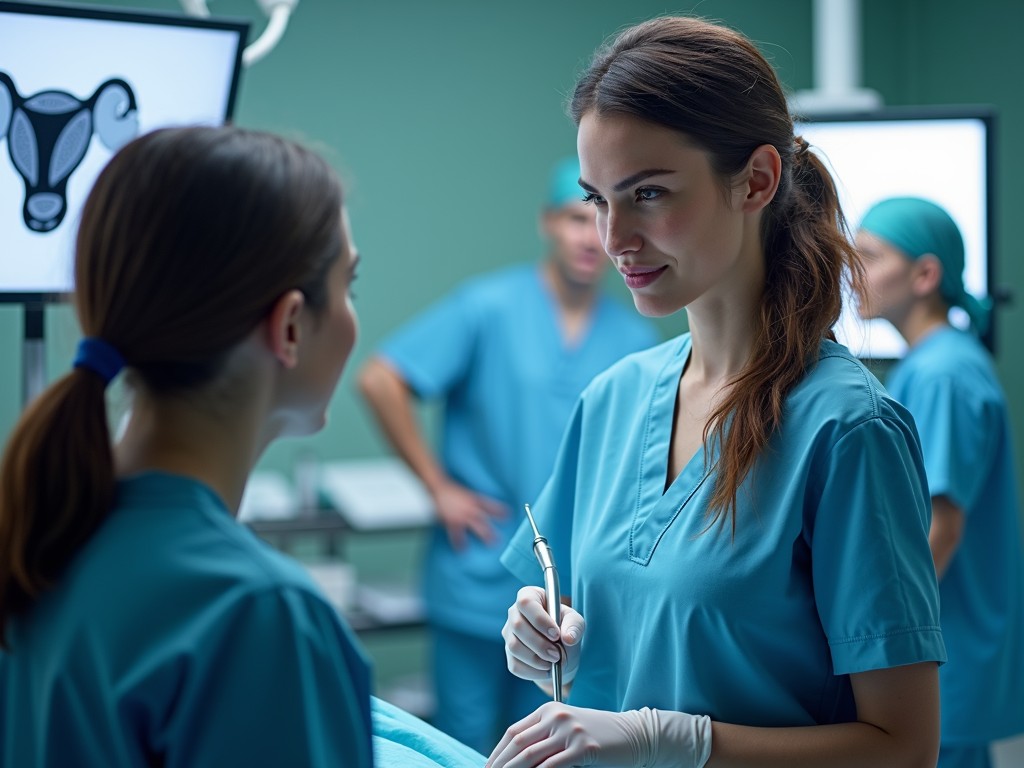
Uterine fibroids are a common gynecological issue that can cause pain, heavy bleeding, and fertility concerns. Traditional open surgery often leaves visible scars and requires a lengthy recovery. Enter Vnotes—a cutting‑edge, scarless approach that uses the natural vaginal opening to remove fibroids with minimal disruption. In this article, we explore the seven major benefits of Vnotes, explain how the procedure works, and share real patient experiences to help you decide if this modern technique is right for you.
What Is Vnotes?
Vaginal Natural Orifice Transluminal Endoscopic Surgery (Vnotes) is a minimally invasive technique that accesses the uterus through the vagina, eliminating the need for abdominal incisions. Using advanced laparoscopic instruments and high‑definition cameras, surgeons can precisely excise fibroids while preserving the uterus and surrounding tissues.
Seven Key Advantages of Vnotes Scarless Fibroid Surgery
1. No Visible Scars
Because the procedure is performed entirely through the vaginal canal, patients leave the operating room with no external incisions. This eliminates the cosmetic concerns that often accompany traditional hysterectomy or myomectomy.
2. Uterus‑Preserving Technique
Vnotes allows surgeons to remove fibroids without removing the uterus, maintaining fertility potential and hormonal balance. This is especially valuable for women who wish to conceive in the future.
3. Rapid Recovery
Patients typically experience a shorter hospital stay—often the same day or the next morning—and can return to normal activities within 2–3 days. The minimal tissue trauma reduces postoperative pain and swelling.
4. Reduced Blood Loss and Pain
The precision of endoscopic instruments limits bleeding, and the absence of large incisions means less postoperative discomfort. Most patients report only mild discomfort that resolves quickly.
5. Lower Infection Risk
With no external incision, the risk of surgical site infection drops dramatically. The vaginal route also allows for better control of the operative field, further minimizing contamination.
6. Quick Return to Work and Daily Life
Because the recovery is swift, patients can resume office work, light household chores, and even mild exercise within a week. This reduces the economic and emotional impact of surgery.
7. High Success Rates with Experienced Surgeons
When performed by specialists such as Prof. Dr. Hanifi Şahin—who has removed over 200 fibroids in a single uterus—Vnotes offers a high success rate and excellent long‑term outcomes.
How Is Vnotes Performed?
The procedure typically follows these steps:
- Pre‑operative Assessment: Detailed imaging (ultrasound or MRI) determines fibroid size, number, and location.
- Anesthesia: General or spinal anesthesia is administered.
- Vaginal Access: A small incision is made in the vaginal wall to insert a camera and surgical instruments.
- Fibroid Removal: Using specialized tools, the surgeon excises fibroids while preserving healthy uterine tissue.
- Closure: The vaginal incision is closed with absorbable sutures, leaving no external scar.
- Post‑operative Care: Patients receive pain management, antibiotics, and instructions for activity restrictions.
Who Is an Ideal Candidate?
Vnotes is suitable for:
- Women desiring uterus preservation for future fertility.
- Patients concerned about visible scarring.
- Those with small to moderate fibroids (typically <5 cm).
- Individuals with comorbidities that make open surgery riskier.
Large, deeply infiltrating fibroids may still require traditional surgery. A thorough evaluation by a qualified gynecologic surgeon will determine the best approach.
Patient Success Stories
Many patients report significant improvements in quality of life after Vnotes:
- Elif (32): “I had heavy bleeding for years. After Vnotes, my periods normalized, and I felt confident without any visible scar. I returned to work the next day!”
- Ayşe (28): “I wanted to keep my uterus for future children. Vnotes gave me that peace of mind, and the recovery was almost painless.”
- Mehmet (35): “The surgeon explained every step, and I was amazed at how quickly I could resume my daily routine. I would recommend Vnotes to anyone with fibroids.”
Frequently Asked Questions
1. Is Vnotes safe?
Yes. When performed by experienced surgeons, Vnotes has a low complication rate and high patient satisfaction.
2. How long does the surgery take?
Depending on fibroid size and number, the procedure usually lasts 1–3 hours.
3. Will I need a hospital stay?
Most patients are discharged the same day or the next morning.
4. Can I conceive after Vnotes?
Because the uterus is preserved, fertility potential remains intact. However, individual outcomes vary; discuss with your provider.
5. What are the risks?
As with any surgery, risks include bleeding, infection, and anesthesia complications. The risk is lower than with open surgery due to the minimally invasive nature.
Conclusion
Vnotes scarless fibroid surgery represents a paradigm shift in gynecologic care. By combining advanced technology with a natural surgical route, it offers patients a cosmetically appealing, uterus‑preserving, and rapid‑recovery option. If you’re experiencing symptoms of uterine fibroids, consult a qualified gynecologic surgeon to determine whether Vnotes is the right choice for you.
For more information or to schedule a consultation with Prof. Dr. Hanifi Şahin, visit our website or call 0538 469 81 61.
Considering treatment in Türkiye?
Get a free consultation and cost estimate from verified specialists.