
Meniscus Tear Surgery: Comprehensive Guide to Diagnosis, Treatment, and Recovery
Introduction
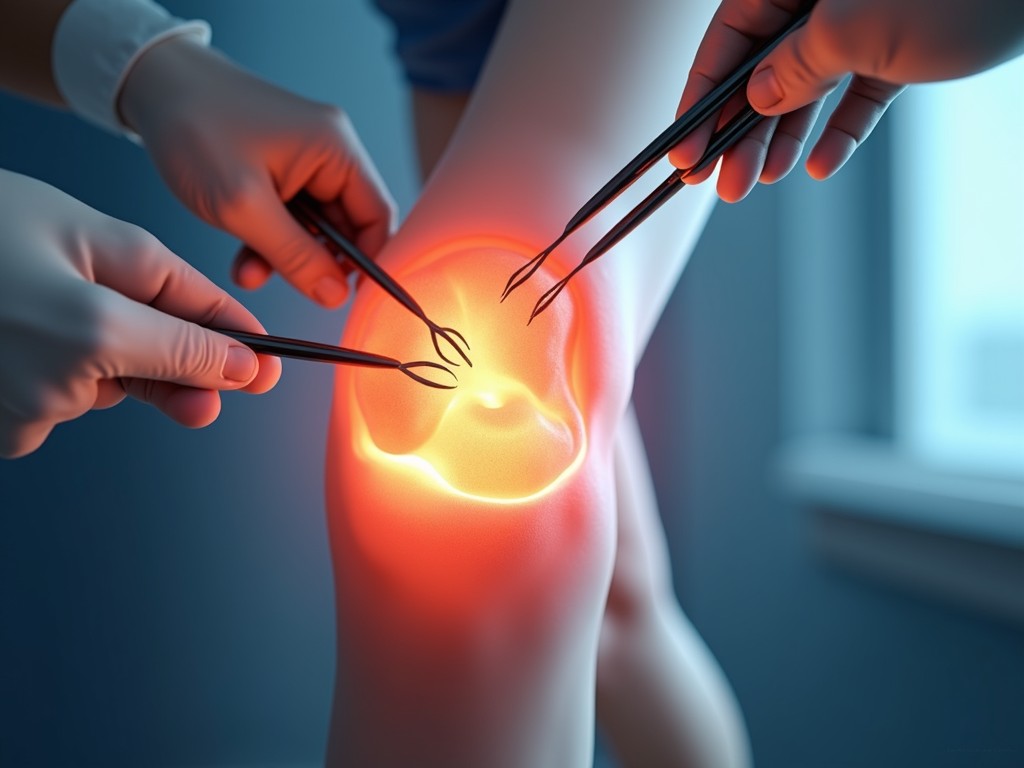
When you feel a sudden pop in your knee, followed by pain, swelling, or a feeling that the joint is unstable, you might be dealing with a meniscus tear. This common knee injury can sideline athletes and everyday people alike. Fortunately, advances in orthopedic surgery have made meniscus tear surgery highly effective, allowing many patients to return to their normal activities with minimal downtime. In this guide, we’ll walk you through everything you need to know about meniscus tear surgery—from symptoms and diagnosis to surgical options and post‑operative care.
What Is a Meniscus Tear?
The meniscus is a C‑shaped cartilage disc that sits between the femur (thigh bone) and tibia (shin bone). It acts as a shock absorber, stabilizes the knee, and distributes weight evenly across the joint. A meniscus tear occurs when this cartilage is damaged, often due to twisting motions, sudden stops, or degenerative wear over time.
Common Causes
- Sudden twisting or pivoting movements (common in sports like soccer, basketball, and skiing)
- Repetitive knee bending or heavy lifting
- Age‑related degeneration of the meniscus
- Direct impact or collision with another player or object
Types of Meniscus Tears
- Horizontal tear: A split that runs parallel to the joint line.
- Vertical tear: A split that runs from the outer edge to the inner edge.
- Complex tear: A combination of horizontal and vertical patterns.
- Radial tear: A tear that radiates from the inner edge outward.
Symptoms to Watch For
Recognizing the signs early can help you seek timely treatment. Typical symptoms include:
- Sudden sharp pain in the knee, often accompanied by a popping sensation.
- Swelling and stiffness that may worsen after activity.
- Difficulty bearing weight or walking normally.
- A feeling of the knee “giving way” or locking.
- Visible deformity or a noticeable gap in the joint line.
Diagnosis: How Doctors Confirm a Meniscus Tear
Accurate diagnosis is crucial for selecting the right treatment. The typical diagnostic pathway includes:
- Physical Examination: The orthopedic surgeon will perform tests such as the McMurray test or Apley grind test to assess joint stability and pain.
- Imaging: Magnetic Resonance Imaging (MRI) is the gold standard for visualizing meniscal damage. X‑rays may also be taken to rule out bone fractures or arthritis.
- Arthroscopy: In some cases, a minimally invasive arthroscopic procedure is used both for diagnosis and treatment.
Treatment Options: When Surgery Is the Best Choice
Not every meniscus tear requires surgery. Small, stable tears can often be managed with rest, physical therapy, and anti‑inflammatory medications. However, when the tear is large, unstable, or located in a region with poor blood supply, surgical intervention becomes necessary. The main surgical options include:
Meniscus Repair
In this procedure, the surgeon stitches the torn edges together, promoting natural healing. Meniscus repair is preferred when the tear is in the outer third of the meniscus, where blood supply is adequate.
Meniscectomy (Partial Meniscus Removal)
When the tear is too large or located in a poorly vascularized area, the surgeon may remove the damaged portion. While this relieves pain, it can increase the risk of osteoarthritis over time.
Meniscus Transplant
For patients with extensive meniscal damage and a desire to preserve knee function, a meniscus transplant may be an option. This involves replacing the damaged meniscus with donor tissue.
What to Expect During Meniscus Tear Surgery
Most meniscus surgeries are performed arthroscopically, meaning the surgeon uses small incisions and a camera to guide instruments. Key steps include:
- Administration of anesthesia (local, regional, or general).
- Insertion of arthroscope and surgical tools.
- Debridement of damaged tissue and repair or removal of the tear.
- Closure of incisions with sutures or steri‑clips.
- Application of a sterile dressing and a compression bandage.
Recovery and Rehabilitation
Recovery timelines vary based on the type of surgery and individual healing rates. Below is a general roadmap:
Immediate Post‑Op (Days 1‑7)
- Ice packs to reduce swelling.
- Elevation of the leg to keep fluid out of the joint.
- Use of crutches or a walker to avoid weight bearing.
- Gentle range‑of‑motion exercises as prescribed by the surgeon.
Early Rehabilitation (Weeks 2‑6)
- Progressive weight‑bearing as tolerated.
- Physical therapy focusing on strengthening quadriceps, hamstrings, and calf muscles.
- Balance and proprioception drills to restore joint stability.
- Gradual return to low‑impact activities such as swimming or stationary cycling.
Advanced Rehabilitation (Weeks 7‑12+)
- Sport‑specific drills if you’re an athlete.
- Increased resistance training for the lower limbs.
- Full return to normal activities typically occurs between 3‑6 months post‑surgery.
Frequently Asked Questions
- Will I need to wear a knee brace after surgery? Many patients use a brace for the first few weeks to protect the joint, but this depends on the surgeon’s recommendation.
- Can I return to sports immediately? No. Most athletes need at least 3‑6 months of rehabilitation before resuming high‑impact sports.
- What are the risks of meniscus surgery? As with any surgery, risks include infection, blood clots, nerve injury, and stiffness. Discuss these with your surgeon beforehand.
- Will my knee develop arthritis later? Meniscus repair reduces the risk compared to meniscectomy, but long‑term joint health depends on many factors, including activity level and overall knee alignment.
Conclusion
Meniscus tear surgery has evolved into a highly effective solution for restoring knee function and alleviating pain. By understanding the signs, diagnosis process, surgical options, and recovery pathway, you can make informed decisions and work closely with your orthopedic team to achieve the best outcome. If you suspect a meniscus tear, schedule an evaluation promptly—early intervention often leads to faster, more complete recovery.
Considering treatment in Türkiye?
Get a free consultation and cost estimate from verified specialists.