
Scarring Alopecia Hair Transplant: Proven Techniques, Success Rates, and Patient Expectations
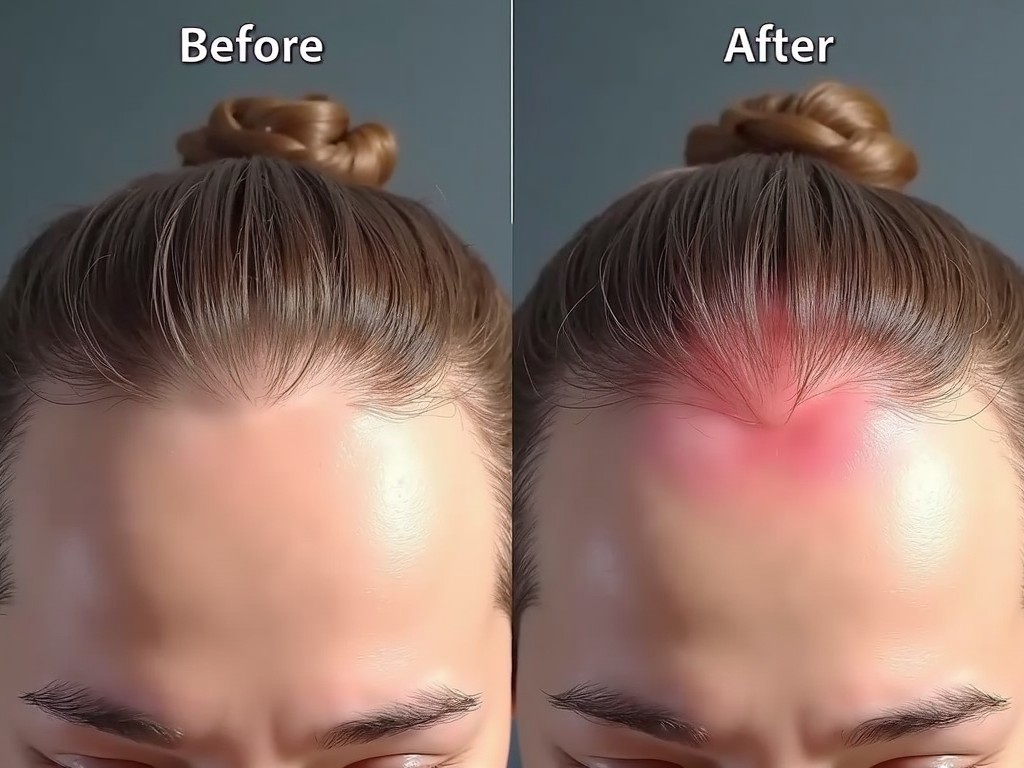
Hair loss can be a deeply personal challenge, but for those suffering from scarring alopecia, the journey is often compounded by permanent scalp damage. Recent advances in hair transplantation have turned what was once considered a hopeless condition into a treatable one. This guide dives into the science behind scarring alopecia, explains when a hair transplant is appropriate, compares the most effective techniques, and offers realistic expectations for patients and clinicians alike.
Understanding Scarring Alopecia
Scarring alopecia, also known as cicatricial alopecia, refers to a group of disorders that cause irreversible hair loss by destroying hair follicles and replacing them with scar tissue. Causes include:
- Inflammatory conditions such as discoid lupus erythematosus or lichen planopilaris
- Trauma, burns, or surgical procedures that damage the scalp
- Autoimmune reactions that target follicular structures
Because the follicles are permanently damaged, traditional medical therapies often fail to restore hair. However, hair transplantation offers a surgical solution that can bypass the scarred area and deliver new follicles from a healthy donor site.
When Is Hair Transplant a Viable Option?
Not every patient with scarring alopecia is a candidate for transplant. The following criteria help determine suitability:
- Inactive disease: No active inflammation or ongoing scarring.
- Adequate donor supply: Sufficient healthy follicles in the occipital or posterior scalp.
- Good scalp vascularity: Adequate blood flow in the scarred zone to support graft survival.
- Realistic expectations: Patients understand that results may be limited compared to non‑scarred areas.
- Prior successful treatment: Conditions that have been controlled medically or surgically before transplant.
- Trauma‑induced alopecia: Often yields higher success rates than inflammatory types.
Choosing the Right Technique: FUE vs FUT
Follicular Unit Extraction (FUE)
FUE has become the preferred method for scarring alopecia due to its minimally invasive nature. Key advantages include:
- Individual follicular units are harvested, reducing the risk of linear scarring.
- Shorter recovery time and less postoperative discomfort.
- Customizable needle angles allow precise placement in irregular scarred areas.
Follicular Unit Transplantation (FUT)
FUT involves removing a strip of scalp, which can provide a larger graft yield in a single session. However, it may leave a linear scar in the donor area and is less favored when the recipient zone has limited vascularity. FUT is typically reserved for:
- Patients requiring a high density of grafts in a short period.
- Scenarios where FUE would be too time‑consuming or technically challenging.
Success Rates and What to Expect
Scientific literature reports success rates for scarring alopecia hair transplant ranging from 60% to 80%. Success is heavily influenced by:
- Control of the underlying disease before surgery.
- Meticulous patient selection and pre‑operative planning.
- Post‑operative care, including infection prevention and wound management.
Patients can anticipate:
- Initial shedding of transplanted hairs within 3–4 weeks.
- Visible regrowth beginning around 4–6 months post‑surgery.
- Full maturation of the grafts by 12–18 months.
Managing Complications and Post‑Op Care
While hair transplant is generally safe, scarring alopecia presents unique challenges:
- Low graft survival: Scar tissue may limit blood supply; surgeons often use micro‑vascular techniques to enhance perfusion.
- Infection risk: The damaged skin barrier increases susceptibility; prophylactic antibiotics are commonly prescribed.
- Edema and inflammation: Cold compresses and anti‑inflammatory medications help control swelling.
- Uneven hair growth: Strategic orientation of grafts and careful placement can mitigate this issue.
Post‑operative instructions typically include:
- Gentle washing with a mild shampoo after 48 hours.
- Avoiding direct sun exposure and heavy physical activity for the first week.
- Regular follow‑up visits to monitor graft integration and address any complications.
Frequently Asked Questions
Q: Can I get a hair transplant if my scarring alopecia is still active?
A: Active inflammation significantly reduces graft survival. It is usually recommended to wait until the disease is fully controlled before proceeding.
Q: How many grafts will I need?
The number depends on the size of the scarred area and desired density. A detailed assessment during the consultation will provide a precise estimate.
Q: Will the donor area show visible scarring?
With FUE, the donor site heals with minimal scarring, often leaving only tiny, barely noticeable punctures. FUT may leave a linear scar, but it can be concealed by hair.
Q: Are there any non‑surgical alternatives?
Medical therapies such as topical steroids, intralesional injections, or emerging stem‑cell treatments can help control disease progression but rarely restore hair in scarred zones.
Conclusion
Scarring alopecia has long been considered a challenging condition for hair restoration. However, advances in surgical techniques—particularly FUE—and a deeper understanding of disease pathology have made hair transplantation a viable and effective option for many patients. Success hinges on careful patient selection, meticulous surgical planning, and diligent post‑operative care. If you are experiencing irreversible hair loss due to scarring alopecia, consult a board‑certified hair transplant surgeon to explore whether a tailored transplant plan can help you regain confidence and natural hair coverage.
Considering treatment in Türkiye?
Get a free consultation and cost estimate from verified specialists.