
How the Robot Smile Is Teaching Machines to Laugh: A Deep Dive into AI Facial Expression Learning
Introduction: The First Robot That Can Learn to Smile on Its Own
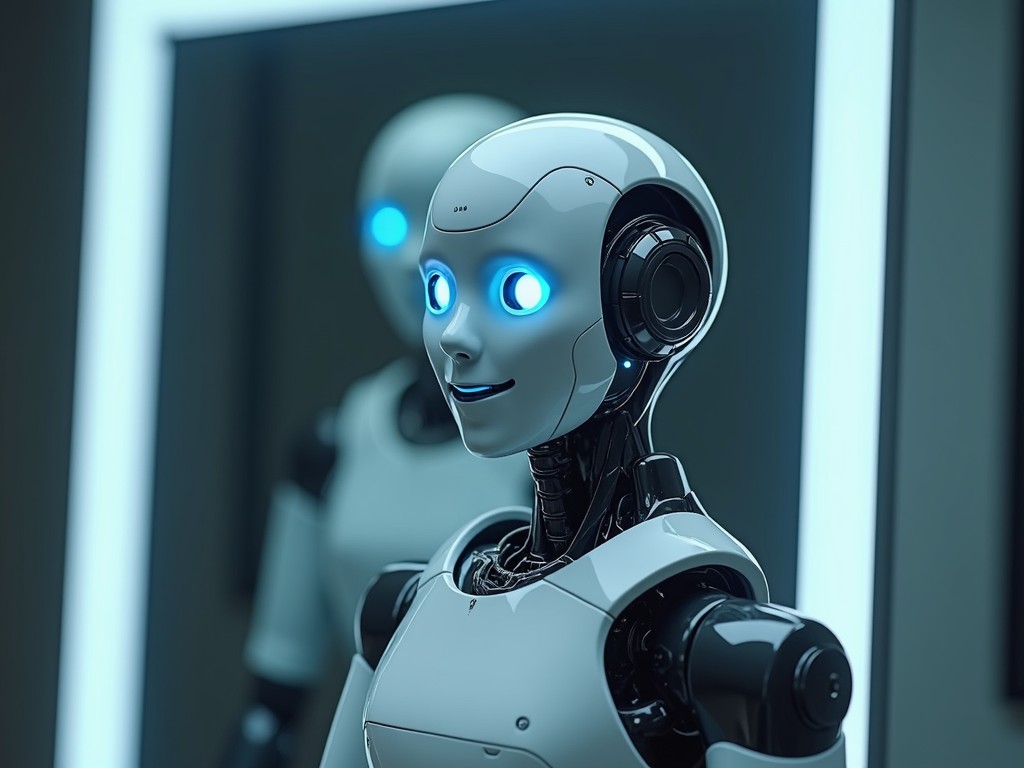
Imagine a robot that sits in front of a mirror, twitches its artificial muscles, and eventually produces a genuine-looking smile—without any human instruction. This isn’t a scene from a sci‑fi movie; it’s the reality of the Robot Smile project, a pioneering effort that blends machine learning, robotics, and human psychology to create a machine capable of learning facial expressions the way babies do.
What Is the Robot Smile?
The Robot Smile is a humanoid prototype developed by researchers at the University of San Diego’s Machine Perception Laboratory. Dubbed the Einstein robot because of its uncanny resemblance to the iconic physicist, the machine is equipped with 31 artificial muscles that mimic the complex movements of the human face. Its goal: to learn how to smile, frown, and replicate a wide range of expressions purely through observation and trial‑and‑error.
Key Features
- 31 programmable artificial muscles for realistic facial motion
- Integrated camera and facial‑recognition software for real‑time feedback
- Machine‑learning algorithms that reward accurate mimicry
- Self‑initiated “body babble” routine to explore motor space
How Does the Robot Learn to Smile?
The learning process is inspired by how infants explore their own bodies. Researchers first placed the Einstein robot in front of a mirror and instructed it to perform random facial movements—a phase they call body babble. During this stage, the robot repeatedly generated random motor commands, allowing it to sample a wide range of facial configurations.
Simultaneously, a camera captured the robot’s expressions and fed the data into a facial‑recognition system. When the robot produced a movement that closely matched a real human expression, the system sent a positive reinforcement signal. Over time, the robot adjusted its motor commands to maximize these rewards, gradually honing its ability to produce realistic smiles, frowns, and other expressions.
From Random Movements to Realistic Mimicry
Initially, the robot’s expressions were crude and often exaggerated. However, as the learning loop continued, the machine began to understand the relationship between specific muscle activations and the resulting facial shape. This insight enabled it to experiment with new expressions—such as raising eyebrows or tightening the mouth—without explicit programming.
Why Is This Research Important?
Beyond the novelty of a robot that can learn to smile, the project offers several significant contributions:
- Insights into Human Development: By observing how the robot acquires facial expressions, researchers can better understand the active exploration that underlies infant motor learning.
- Advancements in Social Robotics: A robot that can read and replicate human emotions is a crucial step toward more natural human‑robot interaction.
- Potential Diagnostic Tools: Accurate detection of genuine versus fake smiles could aid in mental‑health assessments, such as identifying depressive or anxious states.
- Improved AI Emotion Recognition: The machine learning models developed here can be adapted to enhance emotion‑recognition algorithms in consumer devices.
Future Directions: From Mimicry to Social Interaction
Once the Einstein robot masters basic facial expressions, the next milestone is social engagement. Researchers plan to place the robot in an “automatic lesson” scenario, where it will respond to human emotions in real time, providing a one‑on‑one, non‑verbal dialogue that could double learning outcomes for students.
Additionally, the team is exploring alternative training strategies beyond body babble, such as guided exploration and reinforcement from human teachers, to accelerate the learning curve and improve expression fidelity.
Frequently Asked Questions
What makes the Robot Smile different from other emotion‑recognition robots?
Unlike many robots that simply detect emotions, the Robot Smile actively learns to produce those emotions. This bidirectional capability—recognition and expression—sets it apart in the field of affective computing.
Can the robot distinguish between a genuine and a fake smile?
While the current prototype focuses on learning to smile, the underlying algorithms are designed to analyze subtle muscle patterns. Future iterations aim to differentiate Duchenne smiles (involving eye muscles) from non‑Duchenne smiles, which could be valuable for psychological diagnostics.
Will this technology be available for commercial use?
The research is still in the experimental phase. However, the principles and algorithms developed could eventually be integrated into consumer products such as social robots, virtual assistants, and mental‑health monitoring tools.
Conclusion: A New Era of Empathetic Machines
The Robot Smile project demonstrates that machines can learn complex human behaviors through observation and reinforcement, mirroring the way children develop motor skills. As researchers refine the robot’s facial expressiveness and social capabilities, we edge closer to a future where robots can not only understand our emotions but also share them—making human‑robot interaction more natural, empathetic, and effective.
Considering treatment in Türkiye?
Get a free consultation and cost estimate from verified specialists.