
Facial Fat Injection: The Natural Path to Facial Rejuvenation and Contour Enhancement
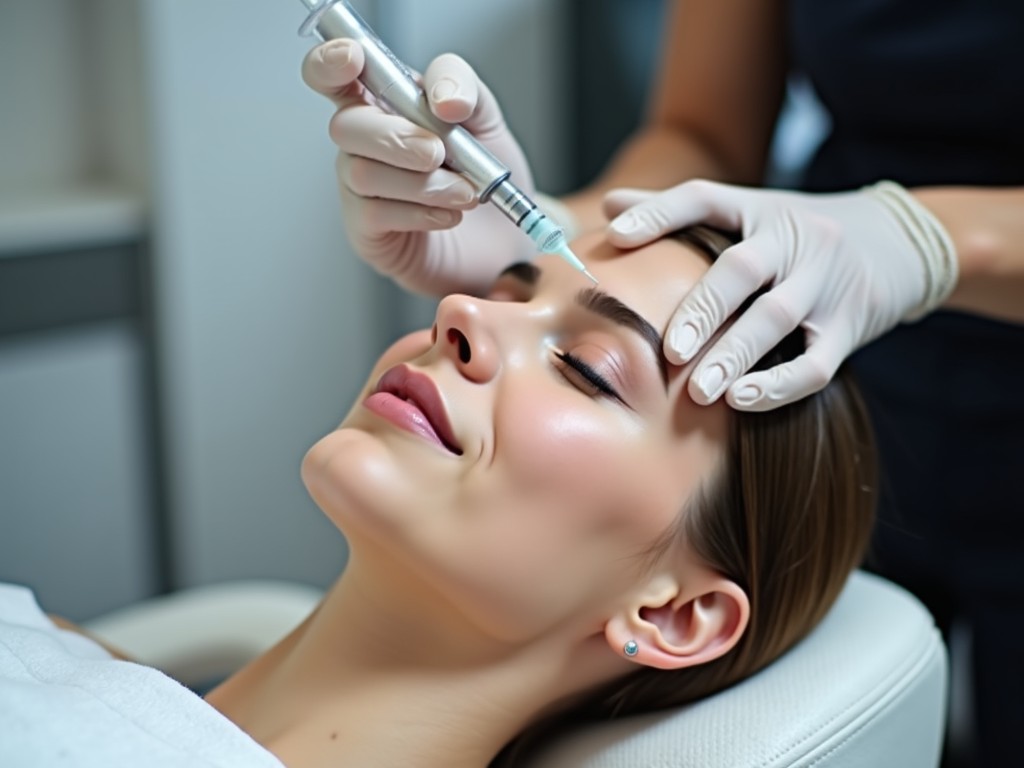
Facial fat injection has become a game‑changer in aesthetic medicine, offering a natural, minimally invasive alternative to surgical lifts and synthetic fillers. By harvesting a patient’s own fat and carefully transferring it to areas of volume loss, practitioners can restore youthful fullness, smooth deep lines, and create a harmonious facial balance—all while minimizing the risk of allergic reactions or foreign‑body complications.
Why Choose Facial Fat Transfer?
Unlike dermal fillers that rely on synthetic materials, fat transfer uses the body’s own tissue. This means:
- Biocompatibility – no risk of rejection or long‑term inflammation.
- Longevity – transferred fat can survive for years, especially in less mobile facial zones.
- Versatility – suitable for lips, cheeks, jawline, tear troughs, and even eyelids.
- Safety – performed under sterile conditions, with minimal scarring.
How the Procedure Works
Step 1: Harvesting the Fat
The first stage involves a small liposuction procedure, usually from the abdomen, flanks, or thighs. A 2.4‑mm cannula is used to gently aspirate the fat, which is then processed through washing and centrifugation to remove impurities and excess fluid.
Step 2: Preparing the Recipient Site
Local anesthesia is typically applied to the face, though general anesthesia may be used for extensive treatments. The area is cleaned, and a fine‑gauge cannula (0.7‑1.2 mm) is inserted to deposit the purified fat into the subdermal plane.
Step 3: Injection Technique
Surgeons use a “fanning” technique, creating multiple small tunnels to evenly distribute the fat. This ensures a natural contour and reduces the risk of lump formation.
What Areas Can Benefit?
- Lips – for fuller, plumper lips.
- Cheeks – to restore mid‑face volume and lift.
- Jawline & Chin – for a more defined profile.
- Tear Troughs – to diminish dark circles and hollows.
- Eyelids – for subtle lift and volume.
Duration & Recovery
The entire procedure typically lasts between 30 and 60 minutes, depending on the volume and number of areas treated. Recovery is relatively quick:
- Cold compresses are applied immediately post‑procedure to reduce swelling.
- Minor puffiness may persist for 2–3 days; more pronounced swelling in the lips can last up to a week.
- Patients can resume normal activities the same day, but should avoid strenuous exercise and sauna use for at least a week.
- Antibiotics may be prescribed for five days to prevent infection.
Is the Result Permanent?
While fat transfer offers lasting results, the longevity depends on several factors:
- Patient’s weight stability – significant weight loss can reduce the volume of transferred fat.
- Location – less mobile areas (e.g., jawline) retain fat longer than highly mobile zones (e.g., lips).
- Technique – meticulous processing and injection improve survival rates.
On average, about 50% of the injected fat survives the first six months, with many patients maintaining satisfactory results for 2–3 years.
Safety and Common Concerns
Can it cause scarring?
No. The procedure is performed without incisions; the cannula is inserted through small punctures that heal without visible scars.
Is there a risk of allergic reaction?
Because the fat comes from the patient’s own body, allergic reactions are virtually nonexistent.
What about infection?
Strict sterile technique and a short course of antibiotics minimize infection risk. Patients are advised to keep the area clean and avoid touching the injection sites.
Frequently Asked Questions
- Can I have facial fat injection before a surgical facelift? Yes, many patients use fat transfer as a preview of surgical outcomes or to enhance the results of a facelift.
- How often can I repeat the procedure? Repeat injections can be performed after about six months, depending on the patient’s needs and the surgeon’s assessment.
- Will I need to stay in the clinic after the procedure? No. Patients typically leave the same day and can return to their daily routine.
- Is it safe during pregnancy? It is generally not recommended during pregnancy or lactation due to potential infection risks.
- What pre‑procedure precautions should I take? Avoid anticoagulants for at least 10 days before the procedure and inform your surgeon of all medications you are taking.
Conclusion
Facial fat injection offers a safe, natural, and versatile solution for those seeking subtle yet lasting facial rejuvenation. By harnessing the body’s own tissue, patients can achieve a refreshed appearance with minimal downtime and reduced risk of complications. If you’re considering a non‑surgical lift, consult a board‑certified aesthetic surgeon to discuss whether facial fat transfer is the right option for you.
Considering treatment in Türkiye?
Get a free consultation and cost estimate from verified specialists.