
Hemorrhoid Relief Through Diet: Top High-Fiber Foods That Ease Symptoms
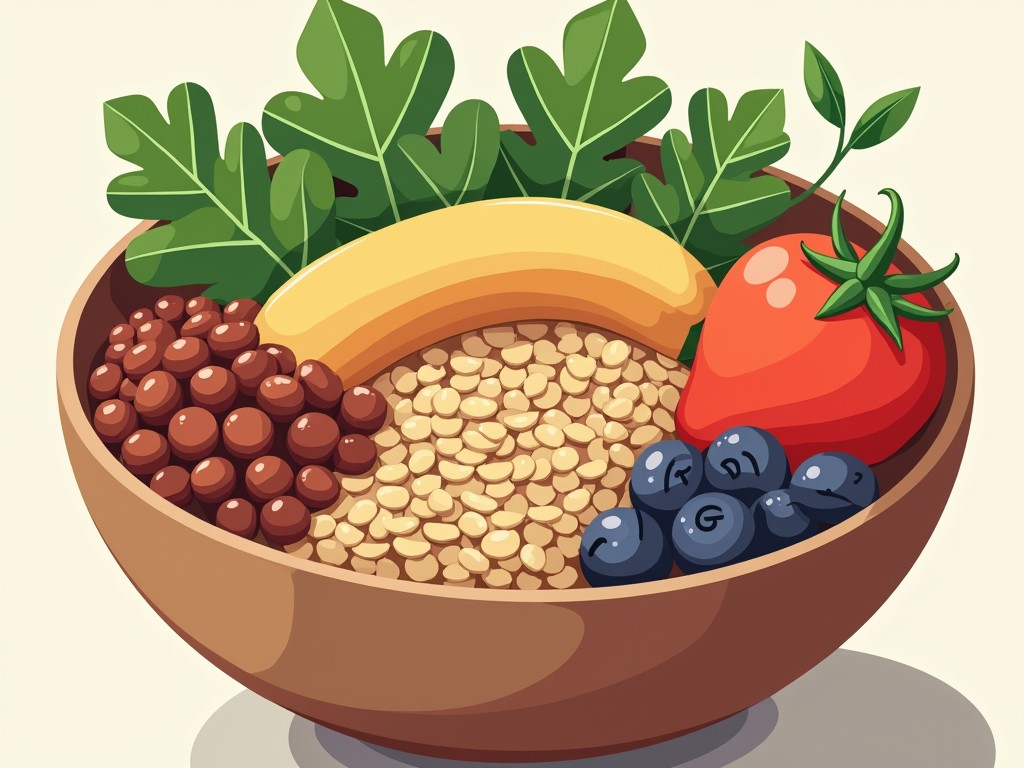
Hemorrhoids, commonly known as “basur” in Turkish, affect millions worldwide. They cause painful bowel movements, itching, and bleeding, disrupting daily life. While medication and sometimes surgery are options, a simple yet powerful approach lies in what you eat. A well‑planned, high‑fiber diet can soften stools, reduce straining, and ultimately prevent hemorrhoid flare‑ups. This guide explains the science behind hemorrhoids, highlights the best foods to include, and offers practical tips for incorporating them into your daily routine.
Understanding Hemorrhoids and Why Diet Matters
Hemorrhoids form when the veins in the rectum and anus become swollen and inflamed. They can be internal (inside the rectum) or external (under the skin around the anus). Straining during bowel movements, constipation, and prolonged sitting or standing increase pressure on these veins, making hemorrhoids more likely.
Diet plays a pivotal role because it directly influences stool consistency and bowel frequency. Foods rich in soluble and insoluble fiber add bulk, soften stools, and promote regularity—key factors in reducing the strain that triggers hemorrhoids.
Key Nutritional Components for Hemorrhoid Relief
Soluble Fiber
Soluble fiber dissolves in water to form a gel-like substance. It slows digestion, allowing more water to be absorbed by the stool, resulting in a softer, easier-to-pass consistency.
Insoluble Fiber
Insoluble fiber adds bulk to the stool and helps it move through the colon more quickly, preventing constipation and the need to strain.
Hydration
Fiber works best when paired with adequate fluid intake. Aim for at least 2 liters of water per day to keep stools soft and prevent dehydration.
Top Foods That Help Hemorrhoids
Below is a curated list of foods that are high in fiber and other beneficial nutrients. Incorporate them into meals and snacks to support digestive health.
- Legumes – Beans, lentils, chickpeas, and soybeans are excellent sources of both soluble and insoluble fiber. A half‑cup cooked lentils contains about 8 grams of fiber.
- Whole Grains – Brown rice, whole wheat bread, quinoa, barley, oats, and rye provide a hearty dose of insoluble fiber. Swap refined grains for whole‑grain versions whenever possible.
- Cruciferous Vegetables – Broccoli, cauliflower, cabbage, Brussels sprouts, and kale are rich in fiber and contain anti‑inflammatory compounds that may help soothe irritated tissues.
- Artichokes – High in inulin, a soluble fiber that feeds healthy gut bacteria, artichokes also add a unique flavor to salads and side dishes.
- Root Vegetables – Sweet potatoes, carrots, beets, and parsnips are fiber‑dense and can be roasted, steamed, or added to soups.
- Fruits with Skin – Pears, apples, berries, and peaches are best eaten with their skins on to maximize fiber intake. A medium pear offers about 6 grams of fiber.
- Prunes (Dried Plums) – Known as nature’s laxative, prunes contain sorbitol, a sugar alcohol that draws water into the colon, softening stools.
- Seeds and Nuts – Chia seeds, flaxseeds, and almonds add fiber and healthy fats. Sprinkle them on yogurt or oatmeal for a quick fiber boost.
Practical Tips for a Hemorrhoid‑Friendly Diet
- Start the Day with Fiber – Begin with oatmeal topped with berries and a drizzle of honey.
- Snack Wisely – Choose a handful of raw carrots or a small apple instead of processed chips.
- Hydrate Continuously – Carry a water bottle and sip throughout the day; avoid sugary drinks that can worsen constipation.
- Cook with the Skin On – When possible, keep skins on fruits and vegetables to retain maximum fiber.
- Mind Portion Sizes – Gradually increase fiber intake to avoid bloating; pair fiber with adequate fluids.
- Limit Red Meat and Processed Foods – These can slow digestion and increase constipation risk.
Frequently Asked Questions
- Can I eat fiber if I already have hemorrhoids?
- Yes—fiber is essential for softening stools and reducing straining. Start with small amounts and increase gradually.
- How long does it take to see improvement?
- Most people notice relief within a week of adopting a high‑fiber diet, but it may take up to 4 weeks for full benefits.
- Is there a risk of worsening hemorrhoids with too much fiber?
- Excessive fiber without adequate water can cause bloating or gas. Balance fiber with plenty of fluids.
- Can I replace medication with diet alone?
- Diet can significantly reduce symptoms, but severe cases may still require medical treatment. Consult a healthcare professional for personalized advice.
Conclusion
Hemorrhoids can be uncomfortable, but a strategic, high‑fiber diet offers a natural, effective way to manage and prevent symptoms. By incorporating legumes, whole grains, cruciferous veggies, fruits, and root vegetables into your meals—and staying well‑hydrated—you can soften stools, reduce straining, and protect your anal veins. Start today, and give your digestive system the nourishment it deserves.
Considering treatment in Türkiye?
Get a free consultation and cost estimate from verified specialists.