
Vocal Fold Polyp Surgery: Everything You Need to Know About Causes, Treatment, and Recovery
Vocal fold polyps are common yet often misunderstood lesions that can dramatically affect the quality of your voice. Whether you’re a teacher, singer, or simply someone who talks a lot, a polyp can turn a clear, powerful voice into a hoarse, strained one. This guide explains what vocal fold polyp surgery is, why it’s sometimes necessary, how the procedure is performed, and what to expect during recovery. By the end, you’ll have a clear roadmap for protecting your voice and making informed decisions about treatment.
What Is Vocal Fold Polyp Surgery?
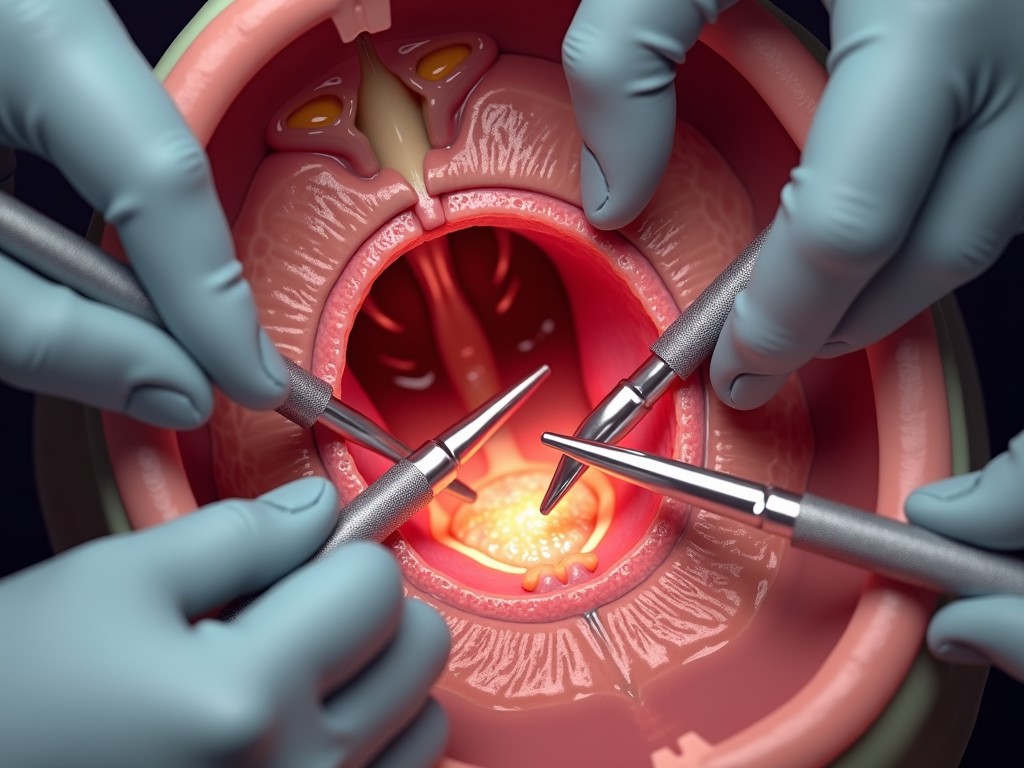
Vocal fold polyp surgery is a microsurgical procedure that removes benign growths from the vocal folds (also called vocal cords). These growths are typically soft, fluid‑filled nodules that develop from repeated vocal strain. The surgery is performed under general anesthesia and uses a laryngoscope and operating microscope to precisely excise the polyp while preserving the delicate structure of the vocal folds.
Key Features of the Procedure
- Microsurgical precision: The surgeon works through the mouth, avoiding any incision in the throat.
- Short operative time: Most surgeries last 20–40 minutes.
- Minimal downtime: Patients can often leave the hospital the same day.
- Low risk of permanent damage: When performed by an experienced laryngologist, complications are rare.
Why Do Vocal Fold Polyps Form?
Polyps arise from chronic irritation and overuse of the vocal folds. Common risk factors include:
- High‑volume speaking or shouting for extended periods.
- Frequent throat clearing or coughing.
- Smoking, alcohol, or exposure to polluted air.
- Gastroesophageal reflux disease (GERD) that irritates the throat.
- Allergic reactions that cause inflammation.
Professionals such as teachers, call‑center agents, actors, and singers are especially vulnerable because their voices are their primary tools.
Recognizing the Symptoms
Early detection is crucial. Typical signs of a vocal fold polyp include:
- Hoarseness or a raspy voice.
- Loss of vocal range or difficulty reaching high notes.
- Feeling of a lump or fullness in the throat.
- Frequent throat clearing or coughing.
- Voice fatigue after speaking for a short time.
If you experience any of these symptoms for more than two weeks, consult an ENT specialist promptly.
Polyp vs. Nodule: What’s the Difference?
Both are benign lesions, but they differ in structure and typical presentation:
- Polyps: Usually soft, fluid‑filled, and often appear on a single vocal fold.
- Nodules: Harder, more fibrous, and typically symmetrical on both folds.
- Polyps tend to cause more abrupt voice changes, while nodules develop gradually.
Diagnosing a Vocal Fold Polyp
Diagnosis involves a combination of:
- Physical examination by an ENT specialist.
- Flexible or rigid laryngoscopy to visualize the vocal folds.
- Stroboscopy to assess vibration patterns.
- Voice analysis tests to quantify changes in pitch, loudness, and quality.
Early diagnosis can prevent the polyp from growing larger and causing irreversible damage.
When Is Surgery Needed?
Most small polyps respond to voice therapy and medical treatment. Surgery is considered when:
- The polyp is large or rapidly growing.
- Non‑surgical measures fail to improve symptoms.
- The patient’s profession demands a high‑quality voice.
- The polyp causes significant voice fatigue or pain.
The Surgical Process Explained
1. Preparation: The patient is placed under general anesthesia. A laryngoscope is inserted through the mouth to expose the vocal folds.
2. Microsurgical removal: Using a surgical microscope, the surgeon carefully excises the polyp with micro‑scissors or a laser, ensuring minimal trauma to surrounding tissue.
3. Closure and inspection: The surgeon checks for any residual tissue and confirms that the vocal folds are intact.
4. Post‑operative care: The patient is monitored for a short period before discharge, usually the same day.
Recovery and Rehabilitation
Recovery is a gradual process that involves:
- Absolute voice rest: No speaking, whispering, or even coughing for the first 48–72 hours.
- Gradual reintroduction of speech as advised by the surgeon.
- Regular follow‑up visits to monitor healing.
- Voice therapy sessions to strengthen vocal folds and teach proper technique.
- Avoidance of smoking, alcohol, and irritants.
Most patients notice significant improvement within 3–6 weeks, though full vocal performance may take a few months.
Risk of Recurrence
While surgery removes the existing polyp, the same risk factors can lead to new growths. Preventive strategies include:
- Consistent voice hygiene practices.
- Regular voice therapy and check‑ups.
- Managing reflux and allergies.
- Limiting exposure to smoke and pollutants.
Cost of Vocal Fold Polyp Surgery (2025)
Costs vary by location, hospital, and surgeon experience. Typical ranges include:
- City hospitals: $3,000–$5,000.
- Private clinics: $4,000–$6,500.
- Insurance coverage: Many plans cover the procedure if medically necessary.
Some clinics bundle the surgery with post‑operative voice therapy, which can reduce overall expenses.
Frequently Asked Questions
Can a vocal fold polyp heal on its own?
Polyps rarely resolve spontaneously. Voice rest and therapy may reduce size, but complete disappearance is uncommon.
Is the surgery risky?
When performed by a skilled laryngologist, the procedure is safe. Possible complications include bleeding, infection, or temporary voice changes.
When will my voice return to normal?
Most patients experience noticeable improvement within 3–6 weeks, but full recovery can take up to 6 months.
Will I need to avoid speaking forever?
No. After the recommended rest period and with proper voice therapy, you can resume normal speaking and singing.
Conclusion
Vocal fold polyps can be a silent threat to anyone who relies on their voice. Understanding the signs, seeking early diagnosis, and knowing when surgery is warranted can preserve your vocal health. With modern microsurgical techniques, the procedure is quick, safe, and highly effective. Combine surgery with diligent voice care and therapy to minimize recurrence and enjoy a strong, clear voice for years to come.
Considering treatment in Türkiye?
Get a free consultation and cost estimate from verified specialists.