
Morton’s Neuroma Explained: Symptoms, Causes, Diagnosis & Treatment Options
Introduction
Foot pain can be a silent thief, stealing your confidence and mobility. One of the most common yet often misunderstood culprits is Morton’s neuroma. If you’ve ever felt a burning, tingling, or numb sensation between your toes, or a feeling of a lump under your foot, you might be dealing with this condition. This guide dives deep into what Morton’s neuroma is, why it happens, how it’s diagnosed, and the most effective treatment strategies—both non‑surgical and surgical—to help you reclaim pain‑free walking.
What Is Morton’s Neuroma?
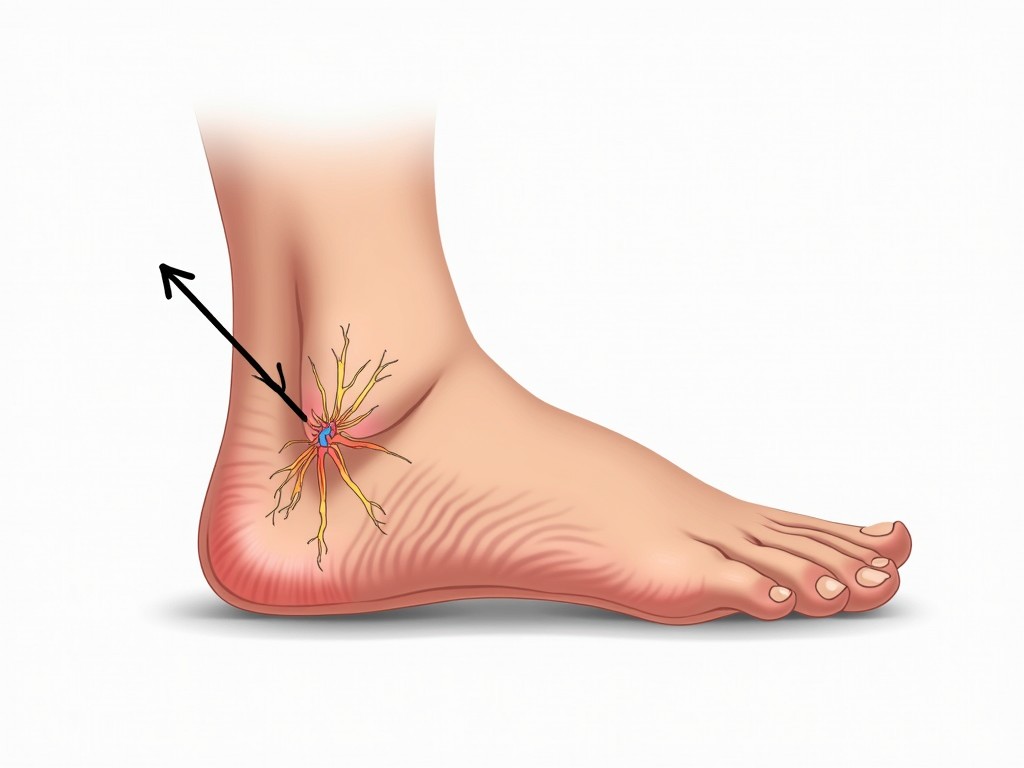
Morton’s neuroma is a thickening of the nerve tissue that runs between the metatarsal bones of the foot, most commonly between the third and fourth toes. The condition is also known as an intermetatarsal neuroma. When the nerve becomes compressed or irritated, it swells into a painful nodule that can irritate surrounding tissues.
Key Symptoms
- Burning, tingling, or electric‑shock sensations between the toes
- Sharp or throbbing pain in the ball of the foot
- Feeling of a lump or “something” under the foot
- Pain that worsens with tight shoes or prolonged standing
- Temporary relief when removing shoes or massaging the foot
Causes & Risk Factors
Morton’s neuroma develops when the nerve is repeatedly compressed or irritated. Common triggers include:
- High‑heeled or narrow‑toe shoes that push the toes forward
- Foot deformities such as bunions, hammer toes, or flat feet
- Repetitive high‑impact activities (running, dancing, sports)
- Direct trauma or injury to the foot
- Genetic predisposition to nerve swelling
Progression of the Condition
Morton’s neuroma typically follows a predictable course:
- Early Stage: Mild symptoms that flare with tight footwear or activity; often temporary relief when shoes are removed.
- Intermediate Stage: Symptoms become more persistent, lasting days or weeks, and may not fully resolve with rest.
- Advanced Stage: The nerve swells further, causing constant pain and numbness that can become permanent if untreated.
Diagnosis
Accurate diagnosis starts with a thorough physical exam. The clinician will:
- Palpate the area between the toes to locate the nodule
- Ask you to walk or stand to reproduce symptoms
- Order imaging studies if needed—MRI or ultrasound can confirm the size and location of the neuroma.
Non‑Surgical Treatment Options
Most patients find relief with conservative measures before considering surgery. Here’s a step‑by‑step approach:
1. Footwear Modification
- Switch to wide‑toe, low‑heeled shoes
- Avoid high heels and tight shoes that compress the forefoot
- Use cushioned insoles to reduce pressure on the metatarsal area
2. Orthotic Devices
- Custom orthotics can redistribute pressure away from the nerve
- Ice packs or cold therapy can reduce swelling and inflammation
3. Activity Modification
- Limit high‑impact activities that aggravate the foot
- Incorporate low‑impact exercises like swimming or cycling
4. Medications
- Non‑steroidal anti‑inflammatory drugs (NSAIDs) to reduce pain and inflammation
- Topical analgesics for localized relief
5. Injections
- Corticosteroid injections can shrink the neuroma and relieve pain
- Local anesthetic injections provide temporary pain relief and help confirm the diagnosis
- These procedures should be performed by a qualified orthopedist or podiatrist.
When Is Surgery Needed?
If conservative treatments fail to provide lasting relief, surgical intervention may be considered. Surgery is typically reserved for:
- Persistent pain that interferes with daily activities
- Neuroma larger than 1.5 cm or causing significant nerve compression
- Failure of multiple non‑surgical treatments over a period of 6–12 months
Common Surgical Techniques
- Neuroma Excision: The nerve is removed, and the surrounding tissue is released.
- Metatarsal Osteotomy: Adjusts bone alignment to relieve pressure.
- Minimally Invasive Procedures: Small incisions reduce recovery time and scarring.
Recovery & Rehabilitation
Post‑operative care varies with the procedure but generally includes:
- Immediate weight‑bearing with a special post‑op shoe for 2 weeks
- Gradual return to normal footwear after 2 weeks
- Physical therapy to restore strength and flexibility
- Follow‑up visits to monitor healing and prevent recurrence
Frequently Asked Questions
Is Morton’s neuroma a cancer?
No. It is a benign nerve thickening, not a malignant tumor.
Can I treat it at home?
Home remedies like ice, rest, and proper footwear can help, but persistent pain should be evaluated by a healthcare professional.
Will I need to wear special shoes forever?
After successful treatment, many patients return to regular footwear, though they may prefer shoes with a wide toe box for comfort.
Conclusion
Morton’s neuroma is a common source of foot pain that can be effectively managed with a combination of lifestyle changes, conservative therapies, and, when necessary, surgical intervention. Early recognition of symptoms and prompt medical evaluation can prevent the condition from progressing to a chronic, debilitating state. If you’re experiencing foot discomfort between your toes, consult a podiatrist or orthopedic specialist to explore the best treatment plan tailored to your needs.
Considering treatment in Türkiye?
Get a free consultation and cost estimate from verified specialists.