Abscess 101: Causes, Types, Symptoms & Comprehensive Treatment Guide
Introduction
Have you ever wondered why a painful, swollen bump suddenly appears on your skin or inside your mouth? In many cases, the culprit is an abscess—a localized collection of pus that forms when the body’s immune system battles an infection. Understanding what an abscess is, how it develops, and the best ways to treat it can save you from unnecessary pain, complications, and costly medical visits. This guide offers a clear, evidence‑based overview of abscesses, from their anatomy to the latest treatment protocols.
What Is an Abscess?
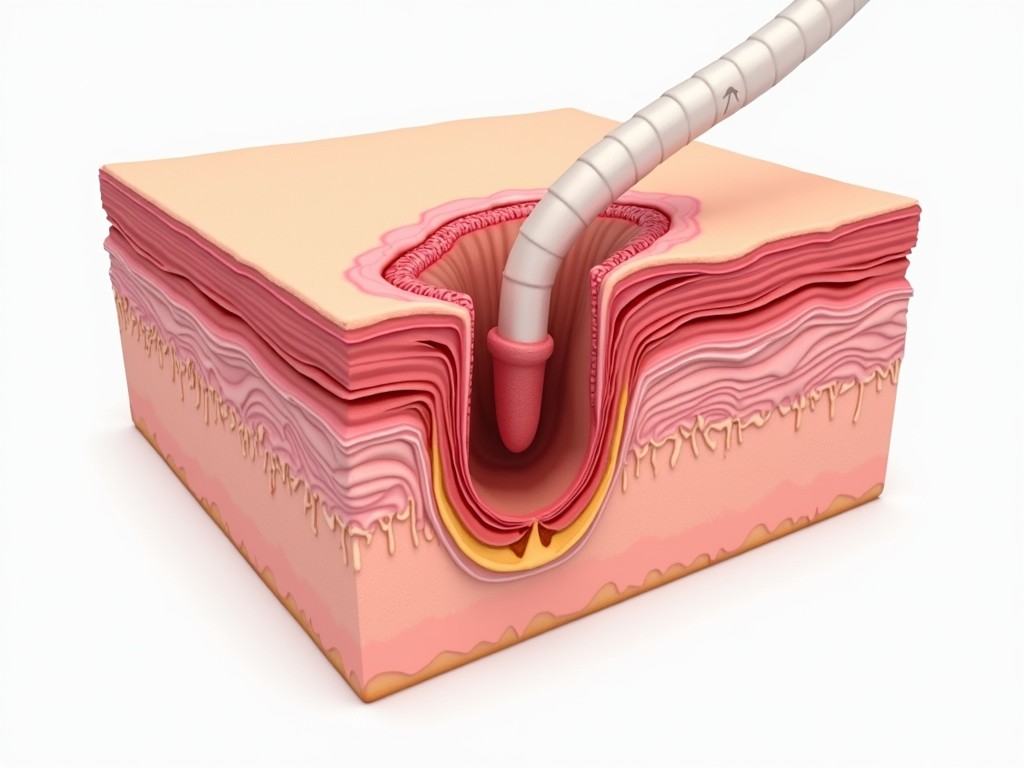
An abscess is a pocket of pus that forms when the body’s immune system responds to an infection. The pus is a yellow‑ish fluid composed of dead white blood cells, bacteria, tissue debris, and fluid. A wall of inflamed tissue separates the abscess from healthy surrounding tissue, creating a distinct, often painful area.
Key Features of an Abscess
- Yellow or greenish pus inside a swollen, red area
- Localized pain and tenderness
- Possible fever or chills if the infection spreads
- Often accompanied by a visible skin opening or drainage point
Causes and Formation Process
Abscesses most commonly arise from bacterial infections, especially Staphylococcus aureus and Streptococcus pyogenes. When these bacteria invade a tissue—through a cut, a hair follicle, or a dental cavity—the immune system sends white blood cells to the site. The resulting inflammation can cause nearby healthy tissue to die, creating a cavity that fills with pus.
While bacteria are the main offenders, abscesses can also be caused by viruses, parasites, or fungi, though these cases are rarer. In some situations, a pre‑existing condition such as diabetes or a weakened immune system can increase the risk of abscess formation.
Common Symptoms
Recognizing an abscess early can prevent complications. Typical symptoms include:
- Sharp or throbbing pain at the site
- Redness and swelling that may spread outward
- Heat or warmth over the affected area
- Fever, chills, or general malaise if the infection is severe
- Possible drainage of pus or a foul odor
Types of Abscesses
Abscesses can occur anywhere in the body. The most common categories are:
Skin and Soft Tissue Abscesses
- Furuncle (Boil): A deep infection of a hair follicle that can spread to surrounding skin.
- Carbuncle: A cluster of boils that form a larger, more painful area.
- Inguinal (Groin) Abscess: Often linked to skin infections or ingrown hairs.
- Mammary Abscess: Common in breastfeeding mothers, usually due to blocked milk ducts.
- Anal Abscess: Typically arises from a fissure or infection in the anal canal.
Dental Abscesses
Dental abscesses form when bacteria invade the tooth pulp or surrounding gum tissue. Symptoms include intense tooth pain, swelling of the face or jaw, and sometimes fever.
Internal (Visceral) Abscesses
- Abdominal Abscess: Can develop around organs such as the liver, pancreas, or intestines.
- Brain Abscess: Rare but serious, often requiring urgent surgical intervention.
- Pelvic Abscess: May result from infections of the reproductive organs.
Diagnosis and Imaging
Accurate diagnosis is essential for effective treatment. Doctors typically use a combination of:
- Physical examination and patient history
- Blood tests to check for infection markers (e.g., elevated white blood cell count)
- Imaging studies such as ultrasound, CT scan, or MRI to locate deep abscesses
- Culture of pus to identify the causative organism and guide antibiotic choice
Treatment Strategies
Effective abscess treatment usually follows a three‑step approach: antibiotics, drainage, and, if necessary, surgery.
1. Antibiotics
Antibiotics target the bacteria causing the infection. Common choices include:
- Cephalexin or dicloxacillin for Staphylococcus aureus
- Clindamycin for mixed infections or when MRSA is suspected
- Metronidazole for anaerobic bacteria in deep abscesses
It’s crucial to complete the full course even if symptoms improve, to prevent recurrence.
2. Drainage
Drainage removes the pus, relieving pressure and allowing antibiotics to reach the infection site. Methods include:
- Incision and Drainage (I&D): A small cut is made to let pus escape.
- Needle aspiration for small, deep abscesses.
- Use of a drainage tube for larger or recurrent abscesses.
After drainage, the wound is usually left open to allow continued drainage and healing.
3. Surgical Intervention
When abscesses are large, deep, or located near vital structures, surgery may be required. Options include:
- Open surgical drainage under general anesthesia
- Laparoscopic drainage for abdominal abscesses
- Brain abscess removal via craniotomy in severe cases
Prevention Tips
Reducing the risk of abscesses involves good hygiene and prompt treatment of infections:
- Keep skin clean and moisturized to prevent folliculitis.
- Seek early dental care for cavities or gum disease.
- Manage chronic conditions like diabetes to keep the immune system strong.
- Use proper wound care—clean, cover, and monitor for signs of infection.
- Practice safe sex and regular gynecological check‑ups to prevent pelvic abscesses.
Frequently Asked Questions
- Can an abscess be treated at home? Small skin abscesses may be managed with warm compresses and over‑the‑counter antibiotics, but professional evaluation is recommended for any abscess that is painful, enlarging, or accompanied by fever.
- Will an abscess always require antibiotics? Not always. If the abscess is small and the immune system is strong, drainage alone may suffice. However, antibiotics are often prescribed to prevent spread.
- What are the risks of untreated abscesses? Untreated abscesses can lead to sepsis, spread of infection to other organs, and chronic pain.
- How long does it take to recover? Recovery time varies: skin abscesses may heal in a week, while internal abscesses can take several weeks, especially if surgery is involved.
Conclusion
Abscesses are a common but serious manifestation of infection. By recognizing early symptoms, seeking timely medical care, and following a comprehensive treatment plan—antibiotics, drainage, and surgery when needed—you can minimize pain, prevent complications, and promote full recovery. Remember, when in doubt, consult a healthcare professional rather than attempting self‑treatment, especially for deep or internal abscesses.