Adult Molar Pain (20s Teeth): Causes, Home Remedies, and When to Seek Extraction
Adult molar pain—often referred to as 20s tooth pain—can be a sudden, throbbing discomfort that disrupts daily life. Whether you’re a young adult experiencing the first eruption of these “adult teeth” or a middle‑aged patient dealing with a lingering issue, understanding the root causes, effective home remedies, and professional treatment options is essential for maintaining oral health and preventing complications.
What Are 20s Teeth?
In dental terminology, the 20s teeth are the four permanent molars that typically erupt between the ages of 18 and 21. They are sometimes called the “adult molars” because they replace the primary molars that were present during childhood. While most people see these teeth fully develop within the 16‑25 age range, a small percentage may never erupt or may remain impacted (stuck beneath the gum line).
Common Issues with Adult Molars
- Delayed eruption – Teeth that appear later than usual can cause crowding or misalignment.
- Impaction – Teeth that fail to emerge fully can become trapped, leading to pain and infection.
- Decay and gum disease – Like any tooth, adult molars are susceptible to cavities and periodontal problems.
- Extraction complications – Removing an impacted molar can be challenging and may require surgical intervention.
Why Do Adult Molars Hurt?
Adult molar pain can stem from several factors:
- Inflammation – Infected or inflamed pulp tissue can cause intense throbbing.
- Pressure from neighboring teeth – Misaligned molars can exert pressure on adjacent teeth, leading to discomfort.
- Impacted teeth – When a molar fails to erupt, it can press against the jawbone and surrounding tissues.
- Dental procedures – Post‑extraction soreness or root canal treatment can trigger temporary pain.
Home Remedies That Ease Adult Molar Pain
While professional care is often necessary, several at‑home strategies can provide immediate relief and help prevent further damage:
1. Ice Packs
Apply a clean cloth‑wrapped ice pack to the outside of the cheek for 4–5 minutes. The cold numbs the area, reducing inflammation. Avoid placing ice directly on the tooth to prevent gum damage.
2. Saltwater Rinse
Mix half a teaspoon of salt in a cup of warm water. Swish gently for 30 seconds, then spit out. Saltwater helps cleanse the area and reduces bacterial load.
3. Baking Soda Paste
Combine a small amount of baking soda with water to form a paste. Gently brush the affected tooth with a soft‑bristled brush. Baking soda neutralizes acids and can soothe mild irritation.
4. Regular Brushing and Flossing
Maintaining a consistent oral hygiene routine prevents plaque buildup, which is a major contributor to tooth decay and gum disease. Use a soft‑bristled brush and fluoride toothpaste.
When to Seek Professional Care
Home remedies are useful for temporary relief, but persistent or severe pain warrants a dental visit. Indicators that you should schedule an appointment include:
- Continuous pain lasting more than 24 hours
- Swelling or redness around the gum line
- Pain that radiates to the ear, neck, or jaw
- Visible signs of decay or a cracked tooth
- Difficulty chewing or opening the mouth fully
Adult Molar Extraction: What to Expect
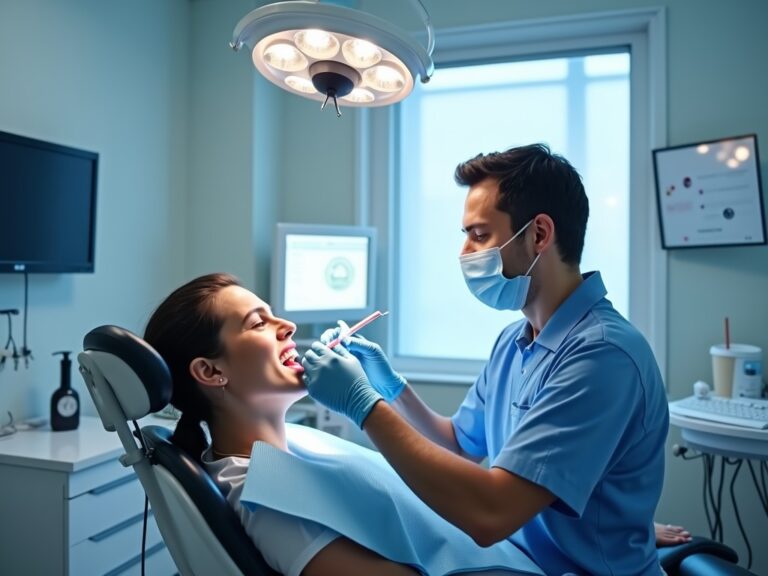
When a molar is severely decayed, impacted, or causing orthodontic issues, extraction may be the best solution. The procedure typically follows these steps:
- Local anesthesia – The dentist numbs the area to ensure comfort.
- Sectioning the tooth – For large molars, the dentist may break the tooth into smaller pieces to ease removal.
- Removal – Using specialized instruments, the tooth is carefully extracted.
- Post‑operative care – Patients receive instructions on pain management, diet, and oral hygiene.
Extraction typically takes 30–60 minutes and is performed by a qualified dentist or oral surgeon. While costs vary by region and complexity, many clinics offer transparent pricing and financing options.
FAQs About Adult Molar Pain
Q: Can adult molar pain be a sign of a serious condition?
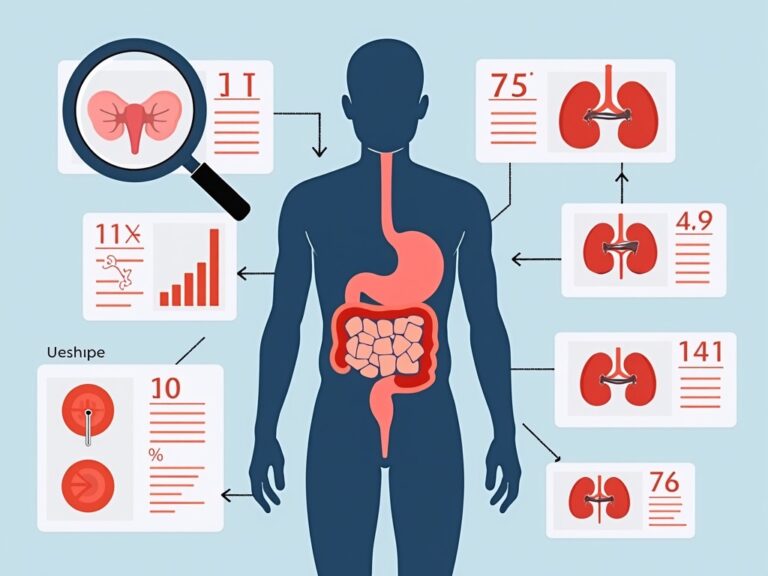
A: Yes. Persistent pain may indicate infection, abscess, or even systemic issues such as heart or gastrointestinal problems. Prompt dental evaluation is essential.
Q: How long does it take for a molar to fully erupt?
A: Most adult molars erupt between 18 and 21 years of age, but some may appear as late as 25. If a tooth remains impacted, extraction or orthodontic intervention may be required.
Q: Are there alternatives to extraction?
A: Depending on the cause, options include root canal therapy, periodontal treatment, or orthodontic realignment. Your dentist will recommend the most appropriate approach.
Conclusion
Adult molar pain—whether caused by delayed eruption, impaction, decay, or inflammation—can be managed effectively with a combination of home remedies and professional care. By staying vigilant about oral hygiene, recognizing warning signs, and seeking timely dental treatment, you can protect your molars and preserve overall health. If you’re experiencing persistent discomfort, contact a reputable dental clinic to schedule an evaluation and discuss personalized treatment options.