Beylikduzu Laser Treatment for Urinary Incontinence: A Modern, Pain‑Free Solution
Urinary incontinence is more than a medical issue—it’s a daily challenge that can erode confidence, limit social life, and affect overall well‑being. In Beylikduzu, Istanbul, a breakthrough approach is gaining traction: laser treatment for urinary incontinence. This article explains what urinary incontinence is, the types that affect women, why laser therapy is a game‑changer, and how the procedure works—all in a clear, professional tone.
What Is Urinary Incontinence?
Urinary incontinence is the involuntary loss of urine. While it is often associated with men, women—especially those over 30—experience it far more frequently. The condition can arise from pregnancy, childbirth, aging, or underlying health issues. It’s not just a physical inconvenience; it can also lead to anxiety, depression, and social isolation.
Types of Urinary Incontinence in Women
- Stress Incontinence – Leakage during activities that increase abdominal pressure such as laughing, coughing, or exercising.
- Overflow Incontinence – Incomplete bladder emptying, causing dribbling or a constant urge to urinate.
- Urgency Incontinence – Sudden, intense urge to urinate that can’t be delayed.
- Mixed Incontinence – A combination of stress and urgency types, common in older women.
Why Laser Treatment Is a Modern Alternative
Traditional treatments—pelvic floor exercises, medications, or surgery—can be time‑consuming, uncomfortable, or invasive. Laser therapy offers a non‑surgical, painless, and quick solution that stimulates natural tissue repair. In Beylikduzu, the procedure is performed without anesthesia, cutting, or stitching, making it ideal for women who prefer a less invasive option.
How Does Laser Treatment Work?
The laser emits precise energy into the vaginal tissues, triggering a biological response:
- Collagen Stimulation – The heat encourages collagen production, strengthening the pelvic floor and bladder support structures.
- Improved Blood Flow – Enhanced circulation promotes healing and tissue resilience.
- Reduced Inflammation – The controlled energy reduces swelling and discomfort.
These changes help restore bladder control, reduce leakage, and improve overall pelvic health.
Procedure Overview
Step 1: Consultation & Examination
During a routine gynecological exam, the clinician assesses the severity of incontinence and determines if laser therapy is suitable.
Step 2: Laser Application
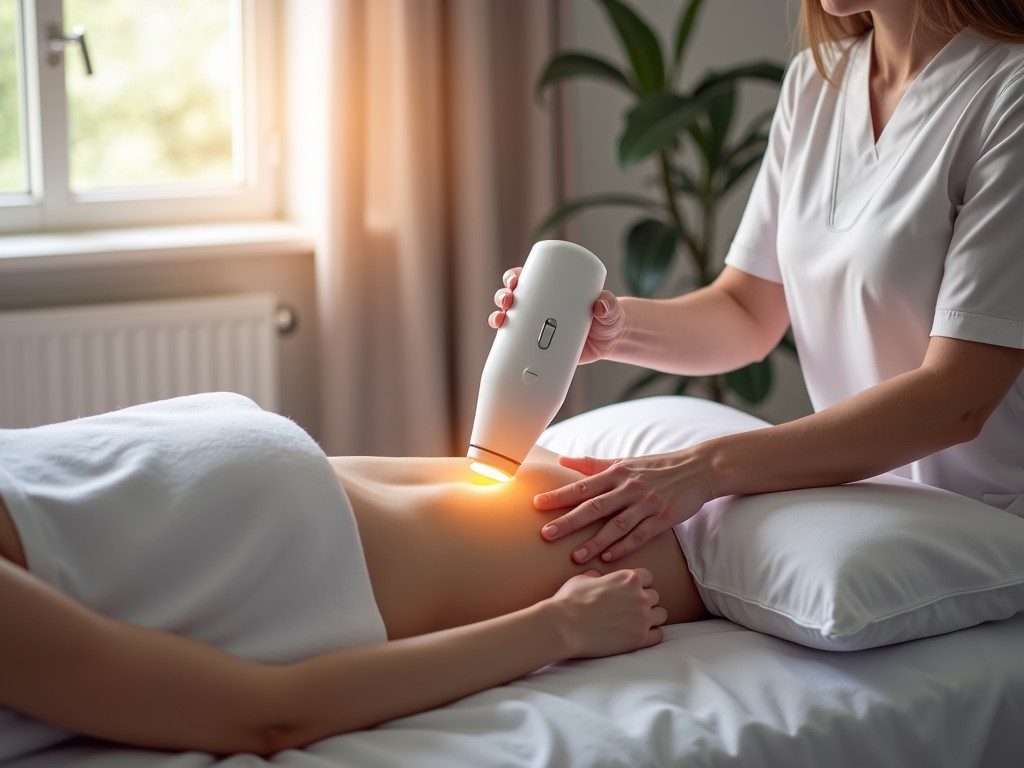
With the patient in a comfortable position, a specialized probe delivers laser energy to the vaginal wall. The entire session lasts about 20–25 minutes.
Step 3: Recovery & Follow‑Up
There is no downtime. Patients can resume normal activities immediately. Typically, 2–3 sessions spaced 4–6 weeks apart yield optimal results.
Benefits of Laser Treatment in Beylikduzu
- No anesthesia or incisions—minimal risk of infection.
- Zero pain or discomfort during or after the procedure.
- Quick return to daily life—no hospital stay required.
- Positive impact on sexual health—many patients report improved comfort during intercourse.
- Effective for mild to moderate stress and mixed incontinence.
Who Is a Good Candidate?
- Women with mild to moderate stress or mixed urinary incontinence.
- Those who have tried pelvic floor exercises or medications without lasting relief.
- Patients who prefer a non‑surgical approach or are not suitable for surgery.
- Women of any age with good overall health.
Frequently Asked Questions
Is the laser treatment safe?
Yes. The procedure uses medical‑grade lasers that are FDA‑approved for vaginal tissue treatment. It carries no risk of infection or scarring.
How many sessions are needed?
Most patients require 2–3 sessions, each 4–6 weeks apart, to achieve lasting improvement.
Will I feel any pain?
No. The treatment is painless, and patients often report a mild warmth sensation during the session.
Can I have the treatment if I’m pregnant?
Laser therapy is not recommended during pregnancy. Consult your obstetrician for alternative options.
Conclusion
Urinary incontinence can be a debilitating condition, but modern laser therapy in Beylikduzu offers a safe, effective, and convenient solution. By stimulating collagen production and strengthening pelvic tissues, this non‑invasive treatment restores bladder control and improves quality of life—without the downtime or risks associated with surgery. If you’re experiencing stress or mixed incontinence, consider consulting a specialist in Beylikduzu to explore whether laser therapy is right for you.
For more information or to schedule a consultation, contact Op. Dr. Sezgin Dursun at 0530 042 98 34 or visit our clinic website.