Bichectomy (Cheek Reduction) 2026 Guide: How It Works, Who’s Eligible, and What to Expect
Hook: Ever wondered how Hollywood stars achieve that sharp, V‑shaped face? The secret often lies in a small, precise surgical procedure called bichectomy—or cheek reduction. If you’re considering a transformation that sharpens your cheekbones, reduces a round face, and enhances your natural beauty, this guide will walk you through everything you need to know.
What Is Bichectomy?
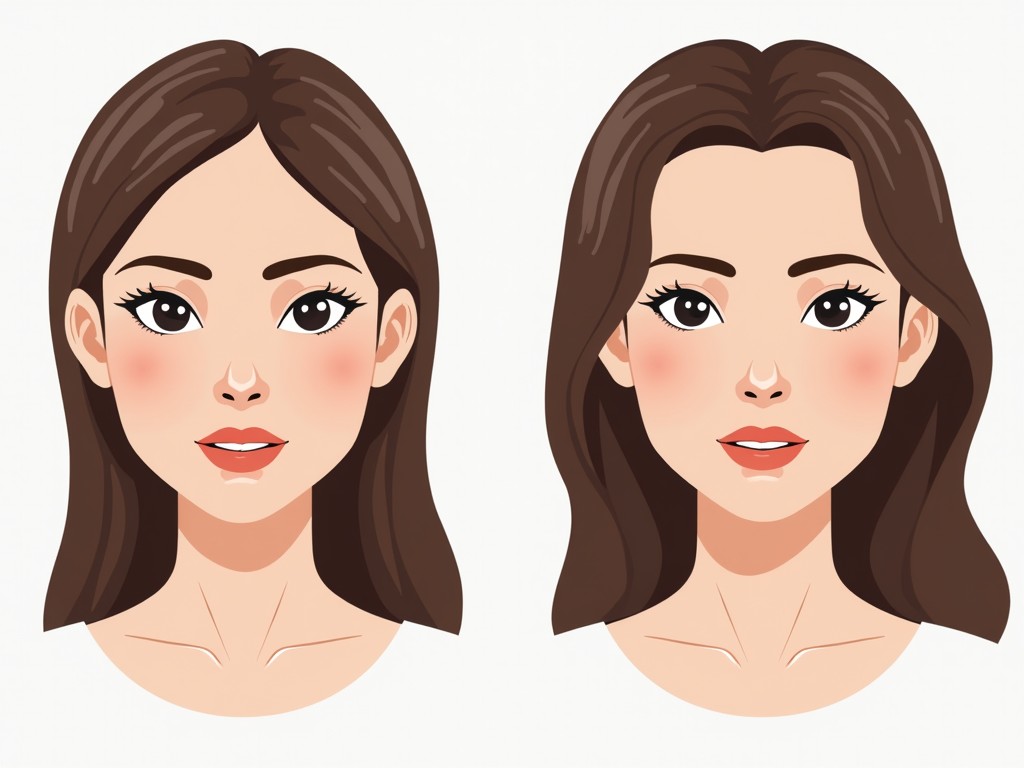
Bichectomy, also known as buccal fat pad removal, is a cosmetic surgery that removes excess fat from the inner cheek area. By excising the fat pads that sit just beneath the skin, the procedure creates a more defined, triangular facial structure—often referred to as the “Hollywood cheek.” The surgery is performed through a small incision inside the mouth, leaving no visible external scar.
Who Is a Good Candidate?
While the procedure is suitable for both men and women, certain factors determine eligibility:
- Age: Most surgeons recommend waiting until the face has fully matured—typically 18 years or older.
- Health: A physically healthy individual with a stable weight and no chronic illnesses.
- Facial Structure: Those with a round or “puffy” face, prominent buccal fat pads, or a desire for a more angular jawline.
- Realistic Expectations: Understanding that the surgery will not drastically change your face but will refine existing features.
- Non‑smokers: Smoking can impair healing and increase complications.
Patients with naturally thin faces, significant aging changes, or a history of facial trauma may be advised against the procedure.
The Surgical Procedure
Pre‑operative Planning
Before the day of surgery, a thorough consultation and physical examination are conducted. The surgeon will assess your facial anatomy, discuss desired outcomes, and review any medications or supplements that could affect healing.
Anesthesia Options
- Local Anesthesia: The most common choice; numbs the inner cheek area while you remain awake.
- General Anesthesia: Used if the patient prefers to be fully unconscious or if additional procedures are planned.
Step‑by‑Step
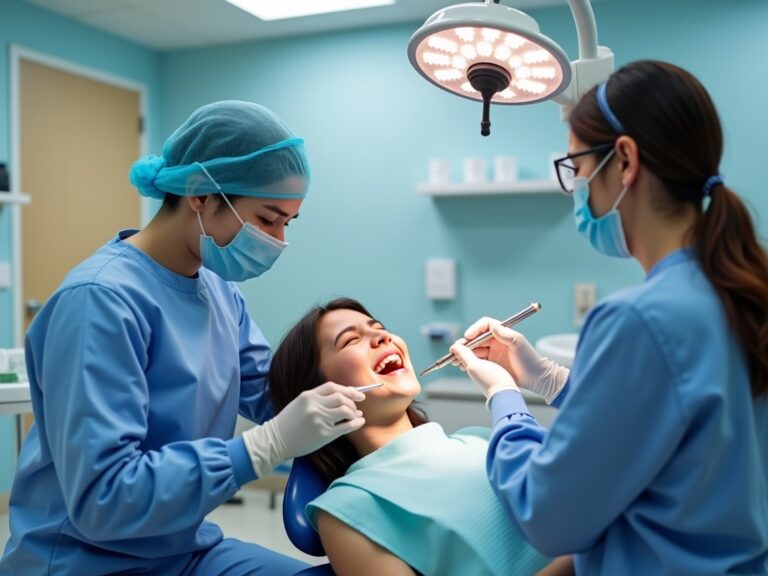
- A small 1‑cm incision is made inside the mouth, near the molar teeth.
- The surgeon gently dissects to expose the buccal fat pad.
- Excess fat—typically 30–40% of the pad—is carefully removed.
- The incision is closed with dissolvable sutures that naturally dissolve within a few days.
- The procedure usually takes 15–30 minutes per side.
Because the incision is internal, there is no visible scar on the skin.
Recovery & Post‑operative Care
Recovery is relatively quick, but following your surgeon’s instructions is essential for optimal results.
- First 24 Hours: Keep the mouth clean, avoid hard foods, and apply cold compresses to reduce swelling.
- Days 2–3: Transition to a liquid or pureed diet; avoid chewing on the operated side.
- Weeks 1–2: Gradually reintroduce soft foods; continue gentle oral hygiene.
- Weeks 3–4: Swelling should subside; you may notice a subtle change in facial contour.
Patients can usually return to work or school the same day if local anesthesia was used, or within 4–6 hours after general anesthesia.
Potential Risks & Complications
Like any surgical procedure, bichectomy carries some risks, though serious complications are rare:
- Bleeding or hematoma
- Infection (prevented with antibiotics and proper oral hygiene)
- Asymmetry if uneven fat removal occurs
- Temporary numbness or tingling
- Scar tissue formation inside the mouth (usually minimal)
Discuss these risks with your surgeon during the pre‑operative consultation.
Cost of Bichectomy in 2025
Prices vary based on location, surgeon experience, and anesthesia type. In 2025, typical costs range from $1,200 to $2,500 per side. Many clinics offer bundled packages if additional procedures—such as jawline contouring or dermal fillers—are performed concurrently.
Frequently Asked Questions
Can I go home immediately after the surgery?
Yes, if local anesthesia is used. You’ll be observed for 15–30 minutes before being discharged.
Will my face sag after bichectomy?
No. The procedure removes fat, not bone or skin. The underlying skeletal structure remains unchanged, so sagging is unlikely.
Can the removed fat be used elsewhere?
In some cases, the extracted fat can be processed and re‑injected into other areas of the face or body, but this is less common due to infection risk from intra‑oral contamination.
Is bichectomy permanent?
Yes. Once the fat pads are removed, they do not regenerate, even if you gain weight later.
Conclusion
Bichectomy offers a subtle yet impactful way to refine your facial aesthetics, giving you sharper cheekbones and a more sculpted profile without external scarring. By understanding the indications, procedure, recovery, and costs, you can make an informed decision and work with a qualified surgeon to achieve the Hollywood‑style look you desire.
Ready to explore whether cheek reduction is right for you? Schedule a consultation with a board‑certified plastic surgeon today and take the first step toward a more defined, confident you.