Birth Control Pill Usage: A Comprehensive Guide to Oral Contraceptives, Benefits, and Side Effects
Introduction
Choosing the right birth control method is a personal decision that can shape your health, lifestyle, and future plans. Among the most popular options worldwide, the birth control pill—also known as oral contraceptive pills (OCPs)—offers a highly effective, reversible, and convenient way to prevent unintended pregnancy. Yet, many people still have questions about how to use them correctly, what side effects to expect, and when they might not be suitable. This guide pulls together the latest medical insights and practical tips to help you make an informed choice.
What Are Birth Control Pills?
Birth control pills are a form of hormonal contraception that contains synthetic versions of the female hormones estrogen and progesterone. By regulating the menstrual cycle, they prevent ovulation, thicken cervical mucus, and alter the uterine lining, making it difficult for sperm to reach an egg and for an embryo to implant.
How They Work
- Inhibit Ovulation: The hormones suppress the release of luteinizing hormone (LH) and follicle-stimulating hormone (FSH), stopping the egg from maturing.
- Thicken Cervical Mucus: Makes it harder for sperm to travel through the cervix.
- Alter Uterine Lining: Creates a less receptive environment for implantation.
Types of Birth Control Pills
There are several formulations, each designed to fit different lifestyles and medical needs:
- Combined Oral Contraceptives (COCs): Contain both estrogen and progesterone. They come in monophasic (same dose each day) and multiphase (dose changes across the cycle) versions.
- Progestin-Only Pills (POPs): Also called the “mini-pill,” these contain only progesterone and are suitable for breastfeeding mothers or women who cannot tolerate estrogen.
- Extended‑Cycle Pills: Allow for fewer periods per year, which can be beneficial for those with painful menstruation.
How to Use Birth Control Pills Correctly
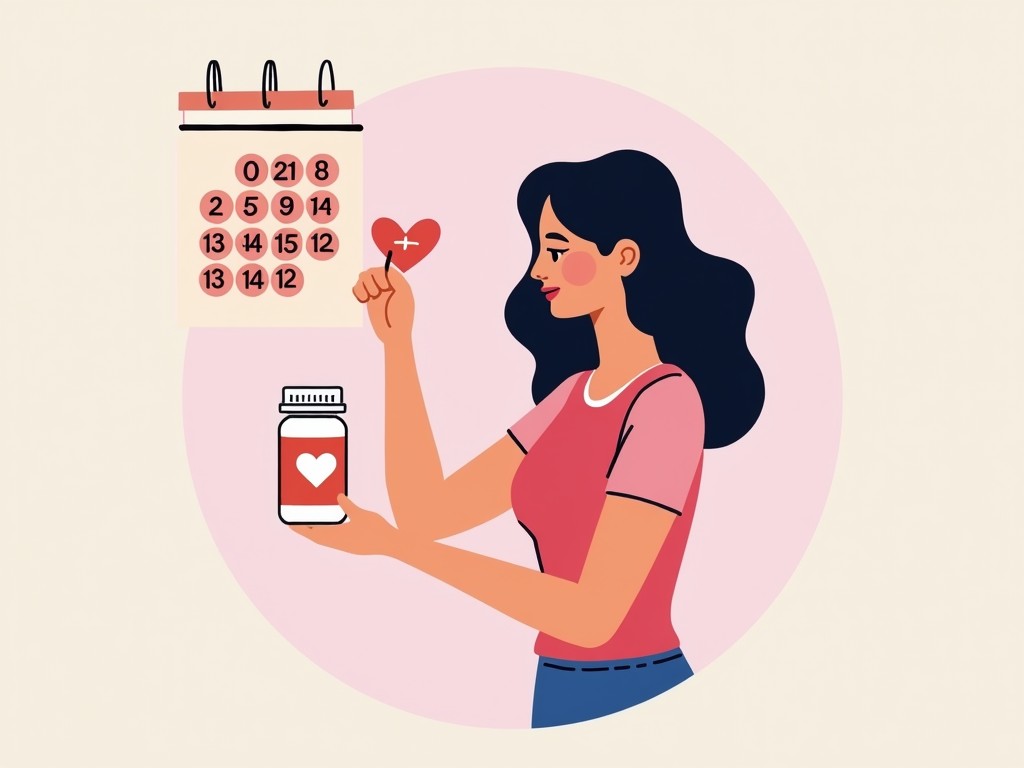
Proper use is key to maintaining high effectiveness—up to 99% with perfect adherence. Follow these steps:
- Start on the First Day of Menstruation: For most 21‑day packs, begin on the first day of your period. For 28‑day packs, you can start on any day, but the first 21 days contain active hormones.
- Take at the Same Time Every Day: Consistency reduces the risk of ovulation.
- Do Not Skip a Pill: If you miss one, take it as soon as you remember. If it’s been more than 12 hours, follow the specific instructions for that brand.
- Observe the 7‑Day Break: After the active pills, take a 7‑day break (or a 7‑day placebo period). This is when withdrawal bleeding occurs.
- Start a New Pack Immediately: Do not wait for the next period; begin the next pack right after the break to maintain continuous protection.
What to Do If You Miss a Pill
- One Pill Missed: Take it immediately and continue the schedule. Use backup contraception for the next 48 hours.
- Two or More Pills Missed: Restart the pack from day one and use backup contraception for 7 days.
Common Side Effects and How to Manage Them
While most women tolerate birth control pills well, some experience side effects. Here’s what to watch for and how to address them:
- Nausea & Vomiting: Take the pill with food or at bedtime.
- Headaches: Consider a low‑dose estrogen or switch to a progestin‑only pill.
- Breast Tenderness: Usually resolves within a few months.
- Weight Gain: Rare; if you notice significant changes, discuss alternative formulations.
- Spotting Between Periods: Common in the first 3 months; if it persists, consult your provider.
When Birth Control Pills Are Not Recommended
Certain medical conditions and lifestyle factors can increase risks or reduce effectiveness:
- History of blood clots, deep vein thrombosis, or pulmonary embolism.
- Uncontrolled hypertension or heart disease.
- Active liver disease or certain cancers.
- Smoking and age over 35.
- Pregnancy or breastfeeding (unless using a progestin‑only pill).
Drug Interactions That Can Reduce Effectiveness
Some medications and herbal supplements can lower pill efficacy:
- Antiepileptics (e.g., phenytoin, carbamazepine).
- Antiretrovirals (e.g., efavirenz).
- Antibiotics like rifampin.
- St. John’s Wort.
Always inform your healthcare provider about all medications and supplements you take.
FAQs About Birth Control Pills
Can birth control pills cause infertility?
No. Once you stop taking the pill, fertility typically returns within a few months.
Do birth control pills protect against STIs?
No. They do not prevent sexually transmitted infections. Condoms should be used for STI protection.
How long can I use birth control pills safely?
Most women can use them for many years. Regular check‑ups are recommended to monitor blood pressure, weight, and overall health.
Conclusion
Birth control pills remain one of the most reliable, reversible, and versatile contraceptive options available. By understanding how they work, following proper usage guidelines, and being aware of potential side effects and interactions, you can enjoy the benefits of effective pregnancy prevention while maintaining your overall health. Always consult a qualified healthcare professional before starting or changing your contraceptive method to ensure it aligns with your medical history and lifestyle.