Botox for Sweating: The Ultimate Guide to Hyperhidrosis Treatment in 2024
Are you tired of feeling self‑conscious in a meeting, on a date, or even while walking down the street because of excessive sweating? Hyperhidrosis—commonly known as excessive sweating—can be a silent social and professional barrier. Fortunately, a minimally invasive, highly effective solution has emerged: Botox for sweating. This article dives deep into how Botox works to control sweat, the areas it can treat, the procedure details, and what you can expect before, during, and after treatment.
What Is Hyperhidrosis and Why Does It Happen?
Hyperhidrosis is a medical condition characterized by abnormal, excessive sweating that is not necessarily linked to heat or exercise. While the body’s temperature regulation system—controlled by the hypothalamus—normally triggers sweat glands when needed, people with hyperhidrosis experience overactive nerve signals that stimulate sweat glands even when the body is cool.
Key triggers include:
- Hormonal changes (pregnancy, menopause)
- Metabolic disorders (thyroid disease, diabetes)
- Medications and substances (alcohol, caffeine, spicy foods)
- Stress, anxiety, and emotional excitement
- Genetic predisposition (40% of cases)
Commonly affected areas are the underarms, hands, feet, face, and scalp. The sweat itself is initially odorless and acidic; bacteria on the skin convert it into ammonia, producing the characteristic odor.
How Does Botox Work for Sweating?
Botulinum toxin, popularly known as Botox, temporarily blocks the nerve signals that activate sweat glands. When injected into the targeted area, Botox inhibits the release of acetylcholine—a neurotransmitter that stimulates sweat production. The effect typically begins 1–2 weeks after the procedure and lasts 6–8 months, after which a repeat injection restores the benefit.
Because Botox only affects the injected region, other parts of the body continue to sweat normally. This localized action makes it a safe and targeted treatment for hyperhidrosis.
Which Areas Can Be Treated with Botox?
Underarm (Axillary) Sweating – The Most Common Choice
Underarm Botox is the gold standard for hyperhidrosis treatment. The procedure is quick, usually completed in 10–15 minutes, and patients can resume normal activities immediately.
Hands and Feet
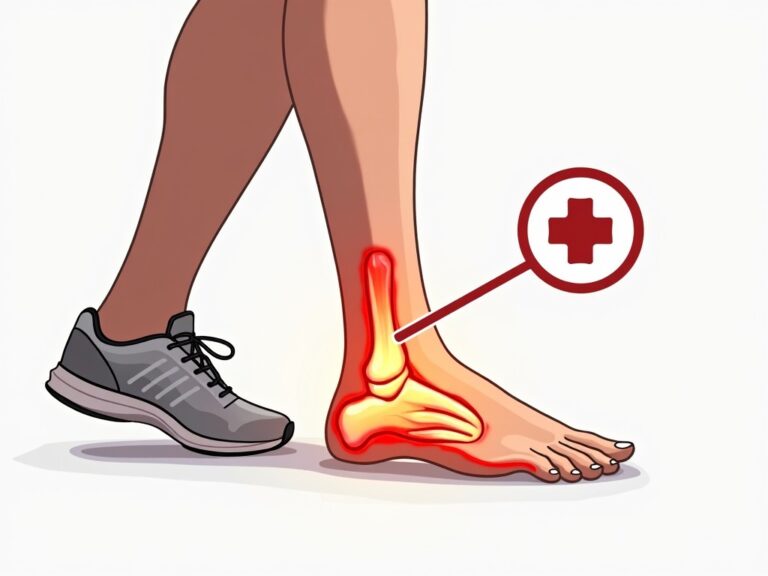
Botox can also be used for palmar (hand) and plantar (foot) hyperhidrosis. However, the injections are more painful, so local anesthesia is often required.
Face and Scalp
Facial Botox for sweating is a newer application. While it can reduce sweat on the forehead and scalp, the effect is typically less pronounced than underarm treatment.
Other Areas
- Palms (avocado)
- Feet (plantar)
- Scalp (for excessive hair loss related to sweating)
Preparing for Your Botox Sweating Treatment
- Shave underarm hair if present to avoid injection complications.
- Avoid blood thinners (e.g., aspirin, warfarin) 24–48 hours before the procedure to reduce bruising.
- Inform your clinician about all medications and supplements you are taking.
- Plan to avoid heavy exercise, hot showers, and deodorants for 12–24 hours post‑injection.
The Procedure: Step‑by‑Step
- Local Anesthesia – A topical numbing cream is applied to the treatment area.
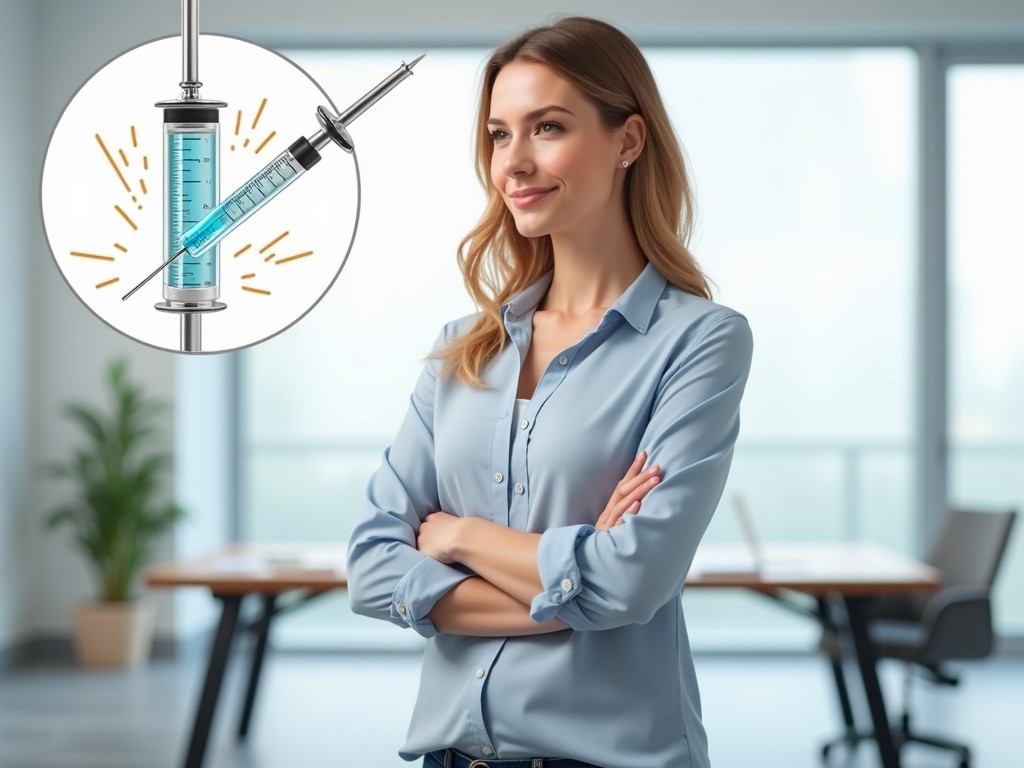
- Injection – The practitioner injects small amounts of Botox into the sweat glands using a fine needle.
- Cooling – A cold compress may be applied to reduce discomfort.
- Recovery – Most patients return to work or normal activities immediately.
What to Expect After Treatment
- Initial improvement in 2–4 days; full effect by 2 weeks.
- Possible mild bruising or soreness at injection sites.
- Avoid deodorants, perfumes, and heavy exercise for 1–2 days.
- Results last 6–8 months; repeat injections every 7–12 months for optimal control.
Benefits of Botox for Sweating
- Quick, outpatient procedure with minimal downtime.
- Highly targeted—only the treated area is affected.
- Safe profile with rare serious side effects.
- Immediate improvement in confidence and quality of life.
Potential Risks and Side Effects
Botox for hyperhidrosis is generally safe. Common mild side effects include:
- Bruising or swelling at injection sites
- Temporary numbness or tingling
- Localized pain or discomfort
Serious complications are extremely rare. Patients with bleeding disorders, active skin infections, or those who are pregnant or breastfeeding should avoid the procedure.
Frequently Asked Questions
1. How long does the Botox effect last?
Typically 6–8 months. Some patients may need repeat injections sooner, especially if they have severe hyperhidrosis.
2. Will I sweat more in other areas after treatment?
No. Botox only blocks nerves in the injected region; other sweat glands remain unaffected.
3. Is the procedure painful?
Underarm injections are usually painless due to topical anesthesia. Hand and foot injections may feel more uncomfortable, but the discomfort is short‑lived.
4. How much does it cost?
Cost varies by clinic, region, and number of treatment areas. Contact a qualified dermatologist or plastic surgeon for a personalized quote.
Conclusion
Excessive sweating can feel like an invisible barrier to confidence and success. Botox for sweating offers a proven, minimally invasive solution that delivers noticeable results within weeks and lasts for months. Whether you’re dealing with underarm, hand, foot, or facial hyperhidrosis, a qualified professional can tailor a treatment plan that fits your lifestyle and budget. Don’t let sweat hold you back—discover the power of Botox and reclaim your comfort and self‑assurance today.