
Carpal Tunnel Syndrome: Symptoms, Causes, and Effective Treatment Options
Carpal tunnel syndrome (CTS) is one of the most common nerve compression disorders affecting the hands and wrists. Whether you’re a desk‑bound professional, a gamer, or a caregiver, the pain, tingling, and weakness that come with CTS can disrupt daily life and work. In this guide, we’ll explore the anatomy behind CTS, identify early warning signs, and walk through both non‑surgical and surgical treatment strategies—so you can make an informed decision about your health.
Understanding the Anatomy of Carpal Tunnel Syndrome
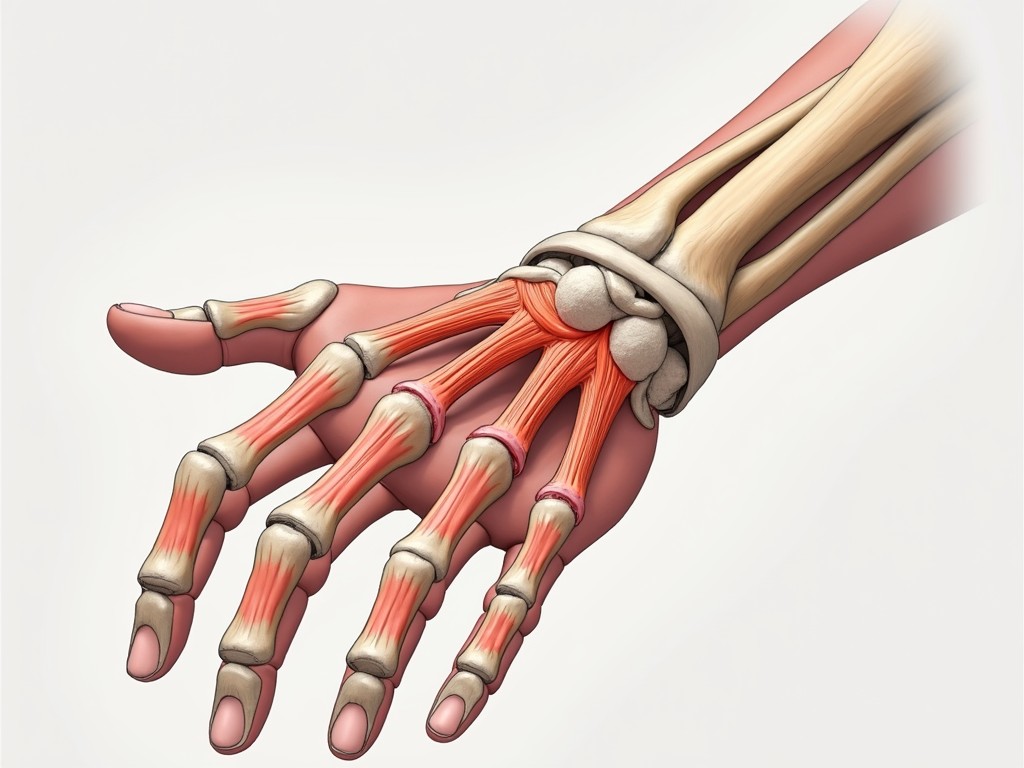
The median nerve runs from the forearm into the hand, passing through a narrow passage called the carpal tunnel—a space bounded by carpal bones and a fibrous band known as the transverse carpal ligament. When pressure builds inside this tunnel, the median nerve is compressed, leading to the classic symptoms of CTS.
What Does the Median Nerve Do?
- Controls sensation in the thumb, index, middle, and half of the ring finger.
- Innervates muscles that flex the thumb and the first three fingers.
- Provides proprioceptive feedback for fine motor tasks.
Common Causes and Risk Factors
While the exact cause of CTS can vary, several factors increase the likelihood of nerve compression:
- Repetitive wrist flexion: Frequent use of keyboards, smartphones, or tools that bend the wrist.
- Prolonged wrist flexion or extension during sleep.
- Medical conditions such as diabetes, rheumatoid arthritis, hypothyroidism, or gout.
- Pregnancy‑related fluid retention, especially in the third trimester.
- Obesity and hormonal changes that affect fluid balance.
- Gender: Women are statistically more prone to CTS than men.
Recognizing the Early Symptoms of CTS
Early detection is key to preventing permanent nerve damage. Typical early signs include:
- Weakness or fatigue in the hand, especially when gripping objects.
- “Pins and needles” or tingling in the thumb, index, middle, and half of the ring finger.
- Nighttime pain that wakes you from sleep.
- Difficulty holding small items, such as a cup or a fork.
As the condition progresses, numbness, muscle wasting in the thumb, and a loss of fine motor control may develop.
Non‑Surgical Treatment Options
Many patients find relief through conservative measures. These include:
- Wrist splinting: Wearing a neutral‑position splint at night to reduce pressure on the median nerve.
- Activity modification: Taking frequent breaks, using ergonomic keyboards, and avoiding prolonged wrist flexion.
- Physical therapy: Stretching and strengthening exercises tailored to the wrist and forearm.
- Anti‑inflammatory medications: NSAIDs to reduce swelling and pain.
- Steroid injections: Corticosteroid shots can decrease inflammation around the nerve, but they carry a risk of nerve damage if not administered carefully.
These approaches are often effective for mild to moderate CTS, but if symptoms persist or worsen, surgical intervention may be necessary.
When Surgery Becomes the Best Option
Carpal tunnel release surgery is indicated when:
- Conservative treatments fail after several months.
- There is significant numbness or muscle weakness.
- Electrodiagnostic studies confirm severe median nerve compression.
There are three main surgical techniques:
- Open release: A small incision is made to cut the transverse carpal ligament.
- Endoscopic release: A camera guides a smaller incision, reducing tissue disruption.
- Microsurgical release: The surgeon uses a microscope to precisely cut the ligament, often used for complex cases.
Post‑operative care typically involves wearing a splint for a few days, gentle range‑of‑motion exercises, and gradual return to work. Most patients report significant pain relief within the first week, though full recovery can take several months.
Frequently Asked Questions (FAQ)
Is carpal tunnel surgery risky?
Like any surgery, there are potential complications—nerve injury, infection, or scar tissue formation. However, with experienced surgeons and modern techniques, the risk is low, and the benefits often outweigh the risks for severe cases.
Can I avoid surgery with lifestyle changes?
For mild CTS, ergonomic adjustments, splinting, and physical therapy can be highly effective. It’s essential to monitor symptoms and seek medical advice if pain or numbness persists.
How long does recovery take?
Immediate relief is common, but full functional recovery may take 3–6 months. Patients can usually resume light activities within a week, but heavy lifting or repetitive wrist motions should be avoided until cleared by a healthcare provider.
Conclusion
Carpal tunnel syndrome is a manageable condition—especially when identified early. By understanding the anatomy, recognizing symptoms, and exploring both conservative and surgical options, you can take control of your hand health. If you suspect CTS, schedule a comprehensive evaluation with a qualified hand specialist to discuss the best personalized treatment plan.