COVID‑19 and Pregnancy: Risks, Care, and Protection Strategies for Expectant Mothers
Introduction
When the COVID‑19 pandemic swept across the globe, expectant mothers found themselves in a unique position of uncertainty. While the virus has affected millions, the specific impact on pregnancy remains a critical question for obstetricians, midwives, and families alike. This guide consolidates the latest evidence, practical care recommendations, and protective measures to help pregnant women navigate the pandemic safely.
Understanding the Virus and Its Historical Context
COVID‑19, caused by the SARS‑CoV‑2 virus, emerged in Wuhan, China, and was declared a global pandemic by the World Health Organization. It is not the first coronavirus outbreak to threaten pregnancy:
- SARS (2003) – 8,000 cases, 770 deaths, with a 25% mortality rate among pregnant women.
- MERS (2013) – 2,500 cases, 860 deaths, with a 23% mortality rate in pregnancy.
Genetically, SARS‑CoV‑2 shares 79% similarity with SARS‑CoV and 50% with MERS‑CoV, underscoring its potential severity.
What Is the Risk of COVID‑19 for Pregnant Women?
Pregnancy naturally modulates the immune system, making some women more susceptible to infections. However, current data suggest that:
- There is no definitive evidence that pregnant women are more vulnerable to contracting COVID‑19.
- Vertical transmission (mother to fetus) has not been conclusively documented.
- Reported cases of pregnant women with COVID‑19 have shown symptoms such as fever, cough, muscle aches, sore throat, and fatigue.
- All nine documented cases had lung involvement, yet none required mechanical ventilation.
While the risk of severe disease appears lower than in the general population, the potential for complications—such as preterm birth and fetal distress—necessitates vigilant monitoring.
Protective Measures Every Expectant Mother Should Follow
Prevention remains the cornerstone of care. Below are evidence‑based steps to reduce exposure:
- Early Isolation – Limit outings and avoid crowded places.
- Hand Hygiene – Wash hands with soap for at least 20 seconds, especially after touching surfaces.
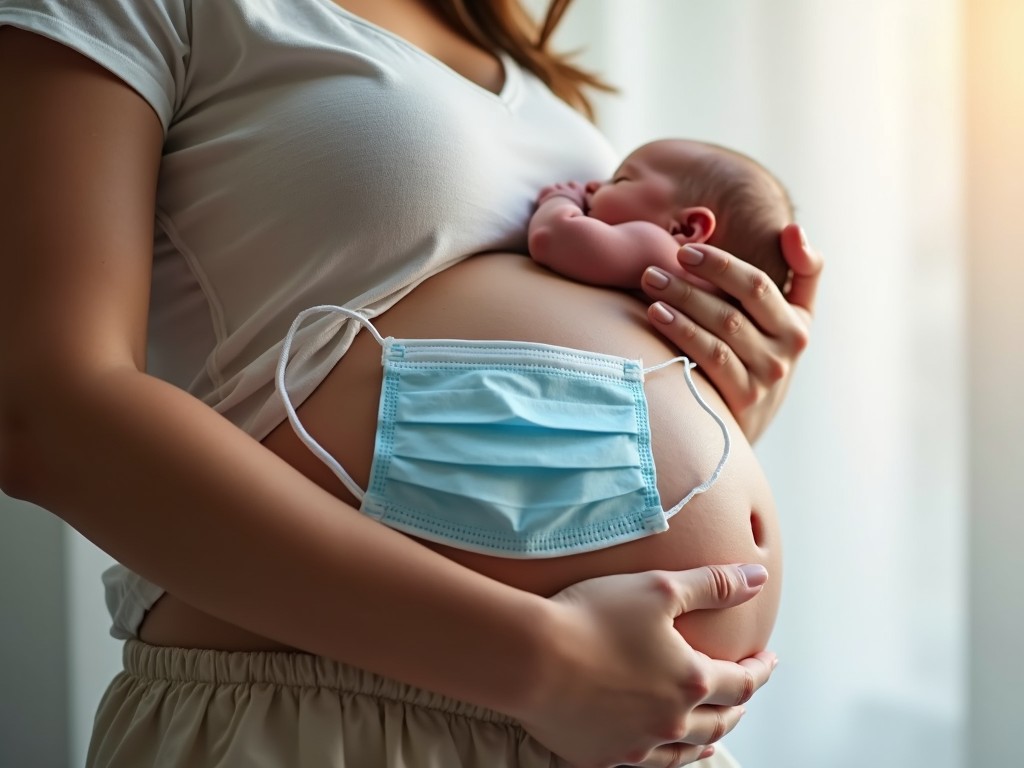
- Mask Usage – Wear a mask in public and when interacting with others.
- Social Distancing – Maintain a minimum of 2 meters from others.
- Vaccination – Discuss COVID‑19 vaccination with your healthcare provider; most guidelines recommend it for pregnant women.
- Healthy Lifestyle – Balanced diet, adequate sleep, and moderate exercise boost immunity.
- Regular Check‑Ins – Keep telehealth appointments and report any new symptoms promptly.
Clinical Management of Pregnant Women with COVID‑19
Initial Assessment and Isolation
Upon diagnosis, patients are immediately isolated to prevent nosocomial spread. Antiviral therapy is considered on a case‑by‑case basis, with close monitoring for respiratory compromise.
Monitoring and Supportive Care
- Antibiotics – Administered to prevent secondary bacterial infections.
- Oxygen Therapy – Supplemental oxygen is provided if saturation drops below 94%.
- Fluid Management – Carefully balanced to avoid fluid overload.
- Fetal Monitoring – Continuous heart rate monitoring to detect distress early.
When to Consider Corticosteroids
While corticosteroids can accelerate fetal lung maturity, they may worsen maternal respiratory status. Use only when the benefits outweigh the risks, and under strict medical supervision.
Delivery Planning for COVID‑19 Positive Pregnancies
Delivery decisions should balance maternal health, fetal status, and infection control:
- Vaginal Delivery – Preferred if the mother is stable and the fetus is in a favorable position.
- Cesarean Section – Considered if there is fetal distress, severe maternal hypoxia, or obstetric indications.
- Anesthesia – Regional (epidural or spinal) anesthesia is favored over general anesthesia to reduce aerosol generation.
- Post‑partum Care – Immediate separation is not mandatory; however, strict hand hygiene and mask use are essential.
Breastfeeding After COVID‑19 Infection
Breast milk provides essential antibodies and nutrients. Current evidence supports continued breastfeeding with precautions:
- Wear a mask while nursing.
- Wash hands thoroughly before each feeding.
- If pumping, sterilize equipment meticulously.
- Consult your healthcare provider for individualized guidance.
Frequently Asked Questions (FAQ)
1. Can a pregnant woman contract COVID‑19 from her baby?
There is no evidence of post‑natal transmission from infant to mother.
2. Is it safe to get vaccinated during pregnancy?
Most health authorities recommend COVID‑19 vaccination for pregnant women, as benefits outweigh potential risks.
3. What symptoms should prompt immediate medical attention?
Shortness of breath, chest pain, persistent fever, or sudden fetal heart rate changes.
Conclusion
While the COVID‑19 pandemic presents unprecedented challenges, pregnant women can protect themselves and their babies through informed precautions, timely medical care, and adherence to public health guidelines. By staying updated, maintaining open communication with healthcare providers, and practicing preventive measures, expectant mothers can navigate this era with confidence and resilience.