COVID‑19 Vaccination for Cancer Patients: Timing, Safety, and Treatment Continuity
As the COVID‑19 pandemic continues to affect global health, cancer patients remain a vulnerable group. With the rollout of new vaccines, many oncology patients and their caregivers are asking: When should I get vaccinated? Is it safe during chemotherapy or immunotherapy? Will my cancer treatment be delayed? This guide, based on expert insights from Dr. Uğur Coşkun and recent Turkish health guidelines, answers these questions and offers practical steps to protect your health without compromising cancer care.
Why Cancer Patients Need Special COVID‑19 Vaccine Guidance
Cancer treatments such as chemotherapy, radiotherapy, and immunotherapy can suppress or alter the immune system. This makes patients more susceptible to infections and can affect how well a vaccine works. Moreover, the timing of vaccination relative to treatment cycles is crucial to maximize antibody response and minimize side‑effects.
Key Takeaways
- Inactivated (killed) COVID‑19 vaccines are safe for cancer patients and do not cause infection.
- Vaccination timing should be individualized based on the type of cancer therapy.
- Do not postpone essential cancer treatments; adjust schedules only when medically necessary.
- Maintain close communication with your oncology team throughout the pandemic.
Understanding Inactivated COVID‑19 Vaccines
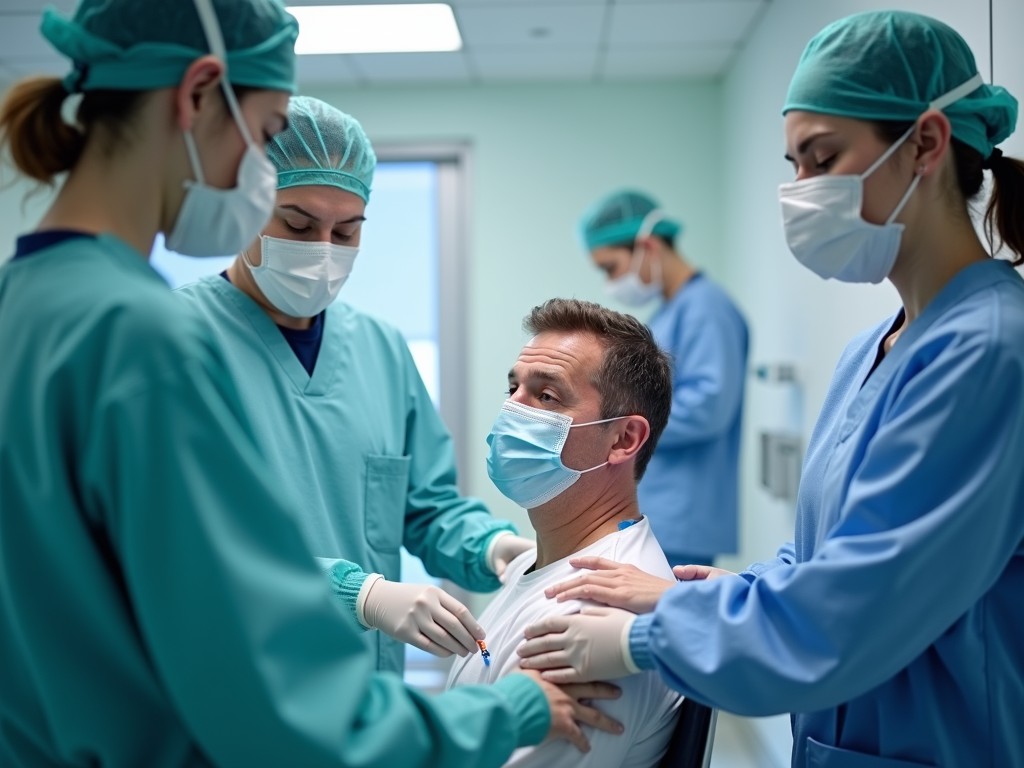
The upcoming Chinese inactivated vaccine functions similarly to the seasonal flu shot. It contains virus particles that have been rendered harmless, so there is no risk of causing COVID‑19 in patients. This makes it an ideal option for immunocompromised individuals, including those undergoing cancer treatment.
Optimal Timing for Vaccination
Patients Who Have Completed Chemotherapy or Radiotherapy
After finishing chemo or radiation, the immune system gradually recovers. For the best antibody response, it is generally recommended to wait 2–3 weeks after the last treatment cycle before receiving the vaccine. This mirrors the timing strategy used for the flu vaccine during the season.
Patients Currently Receiving Chemotherapy
Because chemotherapy suppresses the immune system, the vaccine may elicit a weaker antibody response. In such cases, the vaccine can still be administered, but the benefit may be reduced. The decision should be made on a case‑by‑case basis, weighing the risks of COVID‑19 exposure against the potential for a suboptimal immune response.
Patients on Immunotherapy
Immunotherapy can boost immune activity but also increases the risk of immune‑related side‑effects. Some studies have noted a slight rise in adverse reactions when the flu vaccine is given during immunotherapy. Therefore, oncologists often assess each patient individually, considering the type of immunotherapy and the timing of the vaccine.
Patients on Targeted Therapy
Targeted drugs, such as hormone therapy for breast cancer or tyrosine‑kinase inhibitors for lung cancer, may or may not affect the immune system. If a drug has immunomodulatory effects, the oncology team may adjust the vaccination schedule accordingly. Hormone therapies generally do not interfere with vaccine response.
Do Not Delay Essential Cancer Treatments
In the face of the pandemic, it is tempting to postpone chemotherapy, surgery, or radiation. However, delaying treatment can compromise the effectiveness of cancer care and increase the risk of recurrence. Oncology protocols emphasize that:
- Surgeries for breast, colorectal, and ovarian cancers should proceed as scheduled.
- Adjuvant chemotherapy and radiotherapy must be administered within the recommended time windows.
- For metastatic disease, continuous therapy is critical to control tumor spread.
Practical Measures to Protect Cancer Patients
- Schedule treatments in dedicated oncology wards separate from COVID‑19 units.
- Use weekly or bi‑weekly dosing schedules when possible to reduce hospital visits.
- Implement strict isolation protocols for patients entering the hospital.
- Prioritize targeted therapies that do not compromise immune function when appropriate.
Stay in Touch with Your Oncologist
Regular follow‑ups are essential, even during lockdowns. If routine appointments are postponed, patients should maintain open communication with their healthcare team via phone or telemedicine. Early detection of recurrence or new symptoms can prevent complications and ensure timely intervention.
Frequently Asked Questions
1. Can I get the COVID‑19 vaccine while on chemotherapy?
Yes, but the immune response may be weaker. Discuss timing with your oncologist to decide the best approach.
2. Will the vaccine cause side‑effects that overlap with my cancer treatment?
Some patients may experience mild flu‑like symptoms. These are generally short‑lived and do not interfere with cancer therapy.
3. Should I switch from chemotherapy to targeted therapy to reduce COVID‑19 risk?
Only if the targeted therapy is clinically appropriate for your cancer type. Your oncologist will evaluate the benefits and risks.
4. How can I protect myself during hospital visits?
Wear a mask, practice hand hygiene, and follow the hospital’s infection control protocols. Ask your staff about dedicated oncology pathways.
Conclusion
COVID‑19 vaccination is a critical tool for protecting cancer patients, but its success depends on careful timing and coordination with ongoing cancer treatments. Inactivated vaccines offer a safe option, and with individualized planning, patients can achieve optimal immunity without compromising their cancer care. Stay informed, maintain regular contact with your oncology team, and follow recommended safety measures to navigate the pandemic confidently.