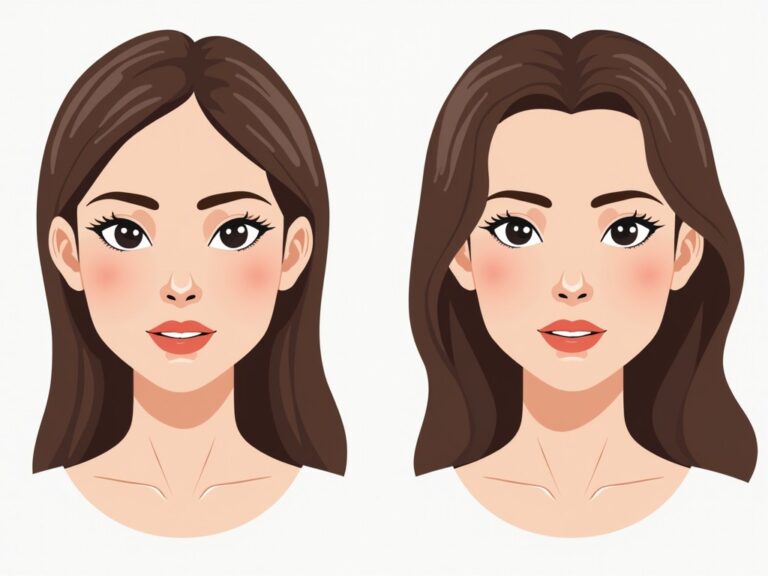
Drooping Nose Tip: Causes, Prevention, and Permanent Rhinoplasty Solutions
Have you ever felt that your nose tip pulls the rest of your profile down, making your face look unbalanced? A drooping nose tip can subtly alter facial harmony, affect self‑confidence, and even impact breathing. In this comprehensive guide, we explore the root causes, discuss natural preventive measures, and detail the most effective surgical techniques—especially the expertise of Dr. Ali Çetinkaya—to restore a natural, lasting lift.
Understanding Drooping Nose Tip
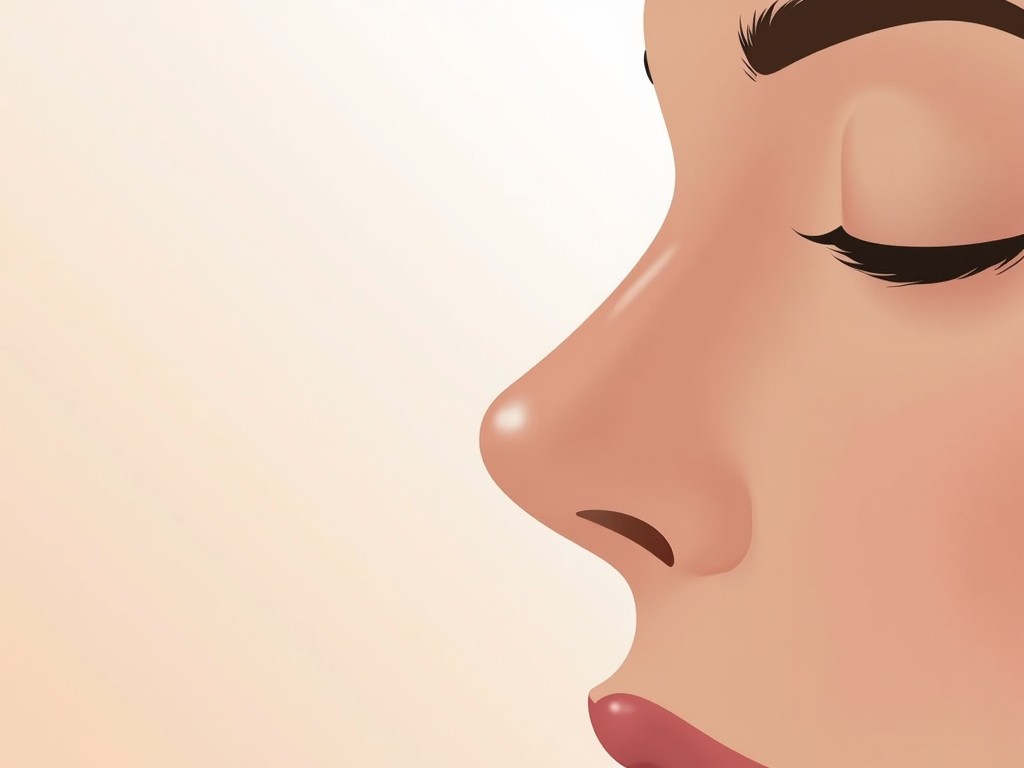
A drooping nose tip, medically referred to as a low nasal tip, occurs when the tip of the nose sits lower than the ideal anatomical position. This can create an unbalanced facial profile, diminish the perceived height of the nose, and sometimes interfere with airflow.
Common Causes
- Genetic Structure: Some people inherit a naturally weak cartilage or a soft skin envelope that predisposes the tip to sag.
- Age‑Related Changes: With time, loss of skin elasticity and cartilage support can cause the tip to descend.
- Trauma: Injuries to the nose—whether from sports, accidents, or falls—can alter the tip’s shape.
- Previous Rhinoplasty: Improperly planned or executed surgeries may leave the tip unsupported.
- Cartilage Weakness: A naturally thin or fragile lower lateral cartilage fails to hold the tip in place.
Can Natural Methods Prevent or Correct a Drooping Tip?
While the structural nature of a drooping tip limits the effectiveness of non‑surgical approaches, certain lifestyle habits can help maintain or slightly improve the tip’s appearance:
- Facial Exercises: Gentle nose‑muscle toning can strengthen the surrounding tissues.
- Skin‑Elasticity Boosting: Regular facial massages, adequate hydration, and a balanced diet rich in vitamins C and E support collagen production.
- Protective Measures: Wearing protective gear during high‑risk activities reduces the chance of trauma.
However, for significant or persistent drooping, esthetic surgery remains the most reliable solution.
Permanent Correction Through Rhinoplasty
Rhinoplasty, or nose reshaping surgery, offers a durable fix for a low nasal tip. The procedure typically involves:
- Cartilage Reinforcement: Using grafts from the septum, ear, or rib to provide structural support.
- Tip Redefinition: Reshaping the lower lateral cartilage to achieve the desired angle and height.
- Skin Management: Removing excess skin or tightening the skin envelope to prevent sagging.
- Functional Preservation: Ensuring that the nasal airway remains unobstructed throughout the process.
Dr. Ali Çetinkaya’s approach emphasizes personalized planning—each patient’s unique anatomy guides the surgical strategy, guaranteeing natural-looking results that harmonize with the rest of the face.
Benefits of a Tailored Nose Tip Surgery
- Natural Appearance: The tip is restored to a proportionate angle and height, blending seamlessly with facial features.
- Long‑Term Stability: Cartilage grafts and meticulous suturing provide lasting support.
- Functional Integrity: Breathing function is preserved or even improved.
- Boosted Confidence: A balanced profile can significantly enhance self‑esteem and social comfort.
- Customized Technique: Every procedure is adapted to the patient’s specific nasal structure.
Impact on Daily Life and Psychological Well‑Being
A drooping tip can subtly influence more than just appearance:
- Self‑Confidence: Unfavorable profile views may lead to social hesitation.
- Fashion & Makeup Choices: Makeup artists may adjust contouring techniques to compensate.
- Stress & Body Image: Persistent dissatisfaction can contribute to long‑term psychological strain.
- Quality of Life: Individuals may avoid social gatherings or public speaking due to self‑consciousness.
Addressing the drooping tip through surgery can therefore have a profound positive ripple effect on overall well‑being.
Frequently Asked Questions
What is the recovery time after a nose tip rhinoplasty?
Most patients experience swelling and mild discomfort for 7–10 days. Full recovery, including subtle changes in swelling and final contour, typically takes 3–6 months.
Will the surgery affect my breathing?
When performed by an experienced surgeon, the procedure preserves or improves nasal airflow. Functional assessment is part of the pre‑operative plan.
Is the result permanent?
Yes. Cartilage grafts and structural adjustments provide lasting support. However, natural aging and weight fluctuations may slightly alter the appearance over decades.
Can I combine nose tip surgery with other facial procedures?
Combination procedures are common and can be safely performed in a single session, provided the surgeon evaluates overall facial harmony.
Conclusion
A drooping nose tip is more than a cosmetic concern—it can influence confidence, social interactions, and even breathing. While natural measures can offer temporary relief, the most effective and lasting solution lies in a carefully planned rhinoplasty. With the expertise of surgeons like Dr. Ali Çetinkaya, patients can achieve a natural, balanced profile that enhances both appearance and quality of life.
Take the first step toward a harmonious facial aesthetic by consulting a qualified plastic surgeon today.