Fertility & Nutrition: The Ultimate Preconception Diet Guide for a Healthy Pregnancy
Ready to boost your chances of pregnancy? The first step to a healthy pregnancy starts long before the first ultrasound. Nutrition plays a pivotal role in fertility, influencing hormone balance, egg quality, sperm health, and overall reproductive readiness. This guide dives deep into the science behind the nutrients that matter most, practical meal planning tips, and actionable steps to create a preconception diet that supports both you and your future baby.
Why Nutrition Matters for Fertility
While many factors affect fertility—age, lifestyle, medical conditions—what you eat can either enhance or hinder your reproductive potential. A balanced diet provides the building blocks for hormone production, egg maturation, and sperm development. Conversely, nutrient deficiencies can lead to irregular cycles, poor egg quality, low sperm count, and increased risk of miscarriage.
Key Nutrients That Influence Fertility
- Folic Acid – Essential for DNA synthesis and neural tube development. Adequate intake reduces the risk of birth defects and supports healthy egg formation.
- Iron – Needed for oxygen transport and energy production. Iron deficiency can cause anovulation and anemia, which negatively affect fertility.
- Zinc – Crucial for sperm production and hormone regulation. Low zinc levels are linked to reduced sperm motility and quality.
- Omega‑3 Fatty Acids – Support hormonal balance and improve egg quality. They also reduce inflammation that can impair fertility.
- Antioxidants (Vitamin C, E, Beta‑Carotene) – Protect reproductive cells from oxidative stress, improving both egg and sperm health.
- Calcium & Vitamin D – Important for bone health and may influence reproductive hormone synthesis.
Building a Preconception Diet: Practical Steps
Creating a diet that supports fertility is about more than just adding supplements. It’s about crafting a balanced eating plan that delivers the right nutrients consistently.
1. Start with a Whole‑Food Focus
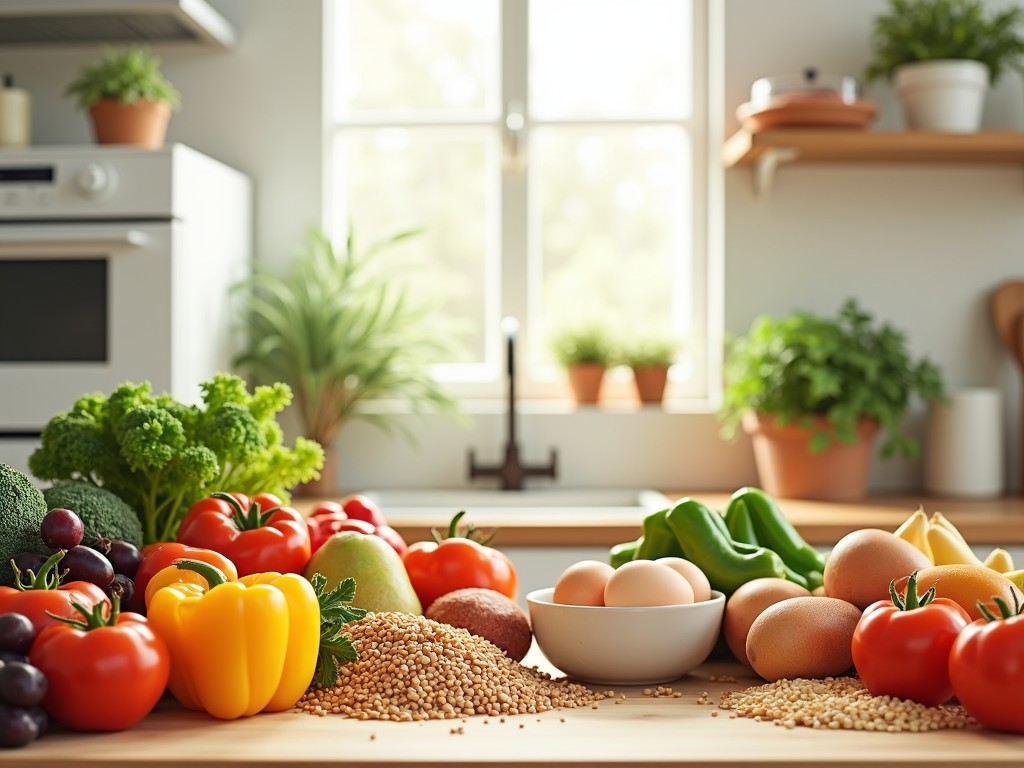
Prioritize fresh fruits, vegetables, whole grains, lean proteins, and healthy fats. These foods naturally contain the nutrients listed above and provide fiber, which helps regulate blood sugar and hormone levels.
2. Incorporate Folate‑Rich Foods
- Leafy greens (spinach, kale, collard greens)
- Legumes (lentils, chickpeas, black beans)
- Fortified cereals and breads
- Oranges and citrus juices
Consider a prenatal vitamin with 400–800 µg of folic acid if you’re planning pregnancy.
3. Boost Iron Intake
- Red meat, poultry, and fish (especially sardines and salmon)
- Plant sources: beans, lentils, tofu, quinoa, spinach
- Pair iron‑rich foods with vitamin C sources (citrus, bell peppers) to enhance absorption.
4. Add Zinc‑Rich Foods
- Shellfish (oysters, crab)
- Red meat, poultry, beans, nuts, seeds
- Whole grains and dairy products
5. Embrace Omega‑3 Sources
- Fatty fish (salmon, mackerel, sardines)
- Flaxseed, chia seeds, walnuts
- Consider a high‑quality fish oil or algae supplement if dietary intake is low.
6. Include Antioxidant‑Rich Foods
- Colorful fruits: berries, oranges, kiwi, mango
- Vegetables: bell peppers, carrots, sweet potatoes, broccoli
- Nuts and seeds, dark chocolate (70% cacao or higher)
7. Maintain Healthy Body Weight
Both underweight and overweight conditions can disrupt hormonal balance. Aim for a BMI within the healthy range (18.5–24.9) through balanced eating and regular physical activity.
Sample Preconception Meal Plan
Below is a one‑day example that incorporates the key nutrients for fertility. Feel free to adjust portion sizes and food choices based on your preferences and dietary restrictions.
- Breakfast: Overnight oats with chia seeds, almond milk, blueberries, and a drizzle of honey. Add a side of scrambled eggs for protein.
- Mid‑Morning Snack: Greek yogurt topped with walnuts and sliced kiwi.
- Lunch: Quinoa salad with grilled salmon, spinach, cherry tomatoes, avocado, and a lemon‑olive oil dressing.
- Afternoon Snack: Carrot sticks with hummus.
- Dinner: Lean beef stir‑fry with broccoli, bell peppers, and brown rice. Finish with a mixed‑fruit dessert.
- Evening Snack (optional): A small piece of dark chocolate and a cup of chamomile tea.
Beyond Food: Lifestyle Factors That Complement Nutrition
Nutrition is only one piece of the fertility puzzle. Pair a balanced diet with these supportive habits:
- Regular moderate exercise (e.g., brisk walking, swimming, yoga)
- Stress management techniques (meditation, deep breathing, adequate sleep)
- Avoid smoking, limit alcohol, and reduce caffeine intake to <200 mg per day.
- Stay hydrated—aim for 8–10 glasses of water daily.
- Schedule regular check‑ups with your healthcare provider to monitor hormone levels and overall health.
Frequently Asked Questions (FAQ)
1. How long before trying to conceive should I start a preconception diet?
Ideally, begin at least 3–6 months before conception. This allows your body to build nutrient reserves and adjust to healthier habits.
2. Can I rely solely on supplements instead of food?
While supplements can fill gaps, they should complement a nutrient‑rich diet. Whole foods provide synergistic nutrients and fiber that supplements lack.
3. Is it safe to take high doses of omega‑3 during pregnancy?
Yes, but consult your doctor. A typical prenatal vitamin contains 200–400 mg of DHA. Excessive intake (>3 g/day) may increase bleeding risk.
4. What if I’m vegetarian or vegan?
Focus on plant‑based iron sources (lentils, pumpkin seeds) and pair with vitamin C. Include fortified plant milks and cereals for calcium and vitamin D. Consider a B12 supplement.
5. How do I know if I have a nutrient deficiency?
Blood tests can assess levels of iron, folate, vitamin D, and B12. Discuss with your healthcare provider if you suspect a deficiency.
Conclusion
Fertility is a complex interplay of genetics, environment, and lifestyle. By adopting a preconception diet rich in folic acid, iron, zinc, omega‑3s, and antioxidants, you give your body the best chance to support healthy egg and sperm development. Combine these nutritional strategies with regular exercise, stress management, and medical guidance, and you’ll create a fertile foundation for a healthy pregnancy. Start today—your future baby will thank you.