
Folliculitis Explained: Symptoms, Causes, Diagnosis & Effective Treatments
Folliculitis is a common yet often misunderstood skin condition that can cause discomfort, itching, and even hair loss if left untreated. Whether you’re dealing with a rash on your scalp, thighs, or underarms, understanding the root causes, recognizing the signs, and knowing the best treatment options can help you regain healthy skin and confidence. In this guide, we’ll dive deep into what folliculitis is, its symptoms, triggers, diagnostic methods, and the most effective ways to treat and prevent it.
What Is Folliculitis?
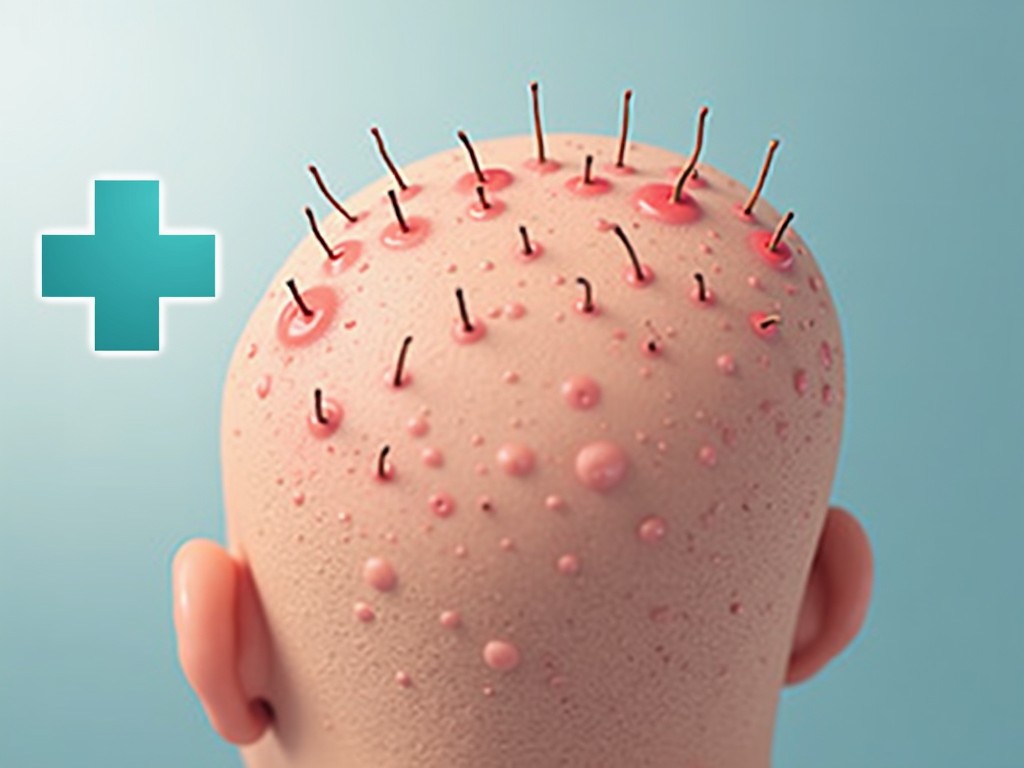
Folliculitis is an inflammation of the hair follicles, the tiny pores in the skin where hair grows. When these follicles become irritated or infected—often by bacteria, fungi, or mechanical irritation—they can develop into red, itchy bumps that may resemble acne or pimples. While the condition can affect any part of the body, it most commonly appears on the scalp, face, chest, back, and thighs.
Common Causes of Folliculitis
- Bacterial Infection: Staphylococcus aureus is the most frequent culprit, especially in warm, moist environments.
- Fungal Infection: Yeast and other fungi thrive in damp areas, leading to folliculitis.
- Mechanical Irritation: Tight clothing, shaving, waxing, or friction from sports gear can damage follicles.
- Blocked Follicles: Dead skin cells, excess oil, or debris can clog pores, creating a breeding ground for microbes.
- Weakened Immune System: Chronic illnesses or long-term steroid use can increase susceptibility.
Key Symptoms to Watch For
Recognizing folliculitis early can prevent complications. Typical symptoms include:
- Red, inflamed bumps or pustules around hair follicles
- Itching or burning sensation
- Swelling or tenderness in the affected area
- Possible hair loss if the follicles are severely damaged
- In severe cases, fever or spreading redness may indicate a more serious infection.
Diagnosing Folliculitis
Most cases can be diagnosed through a visual skin exam by a dermatologist. However, if the infection is severe or recurrent, additional tests may be required:
- Skin Swab or Culture: Identifies bacterial or fungal pathogens.
- Biopsy: Rarely needed, but useful for atypical presentations.
- Blood tests or imaging if systemic infection is suspected.
Treatment Options
The treatment strategy depends on the underlying cause. Below are the most common approaches:
Topical Therapies
- Antibiotic Creams: Erythromycin or mupirocin for bacterial folliculitis.
- Antifungal Creams: Clotrimazole or ketoconazole for fungal cases.
- Topical antiseptics like chlorhexidine or benzoyl peroxide can reduce bacterial load.
Oral Medications
- For widespread or resistant infections, oral antibiotics such as dicloxacillin or clindamycin may be prescribed.
- In fungal folliculitis, oral antifungals like fluconazole or itraconazole are effective.
Supportive Care
- Keep the area clean and dry; use mild, fragrance‑free soaps.
- Apply warm compresses to soothe itching and promote drainage.
- Use non‑comedogenic moisturizers to maintain skin barrier integrity.
- Avoid tight clothing and friction‑prone activities until the condition resolves.
Preventing Folliculitis: Practical Tips
Prevention is often easier than treatment. Here are evidence‑based strategies to reduce your risk:
- Maintain Hygiene: Shower after sweating, especially after exercise.
- Shaving Techniques: Use a clean razor, shave in the direction of hair growth, and moisturize afterward.
- Choose Breathable Fabrics: Opt for cotton or moisture‑wicking materials.
- Manage Skin Conditions: Treat eczema or psoriasis promptly to avoid secondary folliculitis.
- Consult a dermatologist if you experience recurrent folliculitis; they may recommend long‑term topical therapy.
Frequently Asked Questions
Is folliculitis contagious?
Folliculitis itself is not directly contagious, but the bacterial or fungal organisms that cause it can spread. Avoid sharing towels, razors, or clothing with infected areas.
Can folliculitis lead to permanent hair loss?
In most cases, hair regrows once the inflammation subsides. However, severe or chronic folliculitis can damage follicles permanently, leading to scarring alopecia.
When should I see a doctor?
Seek medical attention if:
- The rash spreads or worsens.
- You develop fever or chills.
- There is significant pain or drainage.
- Over-the‑counter treatments fail after 7–10 days.
Conclusion
Folliculitis may start as a simple itchy bump, but untreated or severe cases can lead to pain, hair loss, and secondary infections. By recognizing the symptoms early, seeking professional diagnosis, and following a tailored treatment plan—combined with good hygiene and preventive measures—you can effectively manage and prevent folliculitis. If you’re experiencing persistent or recurrent symptoms, don’t hesitate to consult a dermatologist for personalized care.