
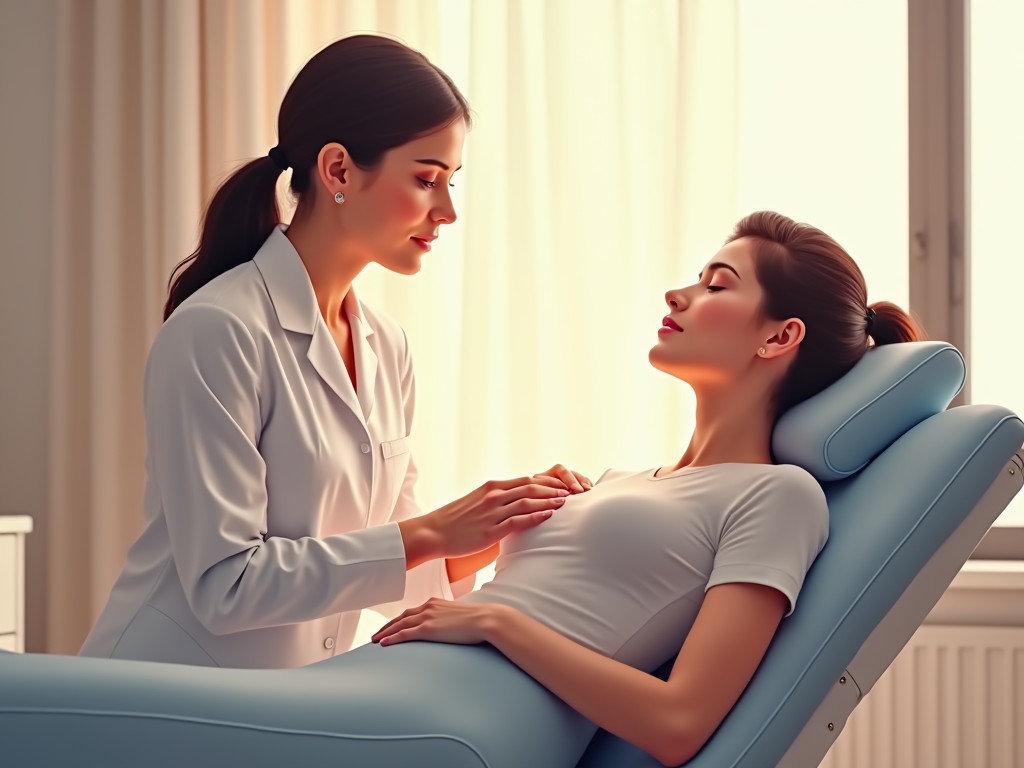
Vaginismus Treatment: A Comprehensive, Pain-Free, and Permanent Solution
Vaginismus is a silent struggle that affects about 10% of women worldwide, yet it remains one of the most misunderstood sexual health issues. In Gebze, a city renowned for its advanced medical infrastructure and compassionate care, women can finally find a science‑based, holistic approach that restores comfort, confidence, and intimacy. This guide explains why vaginismus occurs, how it is diagnosed, and the cutting‑edge treatment options available in Gebze that combine medical expertise, psychological support, and partner involvement.
What Is Vaginismus and Why Does It Happen?
Vaginismus is an involuntary contraction of the pelvic floor muscles around the vagina that makes penetration painful or impossible. While the condition can have physical triggers, research shows that over 90% of cases stem from psychological factors such as fear, shame, or past trauma. Common contributors include:
- Misconceptions about sexuality
- Religious or cultural pressure
- History of sexual abuse or assault
- Relationship communication breakdown
- Hormonal changes or vaginal infections
Recognizing the Signs
Women with vaginismus often experience:
- Sharp pain or burning during attempted penetration
- Automatic muscle spasm when touching the vagina
- Avoidance of gynecological exams
- Emotional distress such as panic, crying, or shortness of breath during intimacy
- Difficulty using tampons or inserting a tampon
Why Gebze Is a Leading Destination for Vaginismus Treatment
Gebze’s reputation as a medical hub stems from its:
- Highly trained obstetricians and gynecologists
- Integrated psychological services
- State‑of‑the‑art facilities for pelvic floor therapy
- Confidential, patient‑centered care
The Multidisciplinary Treatment Pathway
Effective vaginismus therapy in Gebze follows a structured, evidence‑based protocol that addresses both mind and body. The typical treatment plan includes:
1. Comprehensive Assessment
Initial consultations involve a detailed medical history, pelvic examination, and psychological evaluation. This step identifies any co‑existing conditions such as vestibulitis or hormonal imbalances that may need concurrent treatment.
2. Cognitive‑Behavioral Therapy (CBT)
CBT helps women reframe negative beliefs about sex, reduce anxiety, and build coping strategies. Studies published in PubMed (2024) report a success rate of over 95% when CBT is combined with other modalities.
3. Sexual Education & Anatomy Awareness
Understanding female anatomy demystifies the process of intercourse. Therapists use visual aids and guided discussions to empower patients with knowledge.
4. Pelvic Floor Muscle Training
Gentle Kegel exercises and biofeedback help patients gain conscious control over the pelvic floor. Regular practice reduces involuntary spasms and improves muscle tone.
5. Vaginal Dilator Therapy
For moderate to severe cases, a series of silicone dilators of increasing size are introduced. Patients use them at home under professional guidance, allowing gradual desensitization without pain.
6. Partner Involvement & Couples Therapy
Vaginismus is not solely a woman’s issue; it affects the entire relationship. Couples therapy fosters open communication, patience, and mutual support, which are critical for long‑term success.
7. Pharmacological Support (If Needed)
Topical anesthetics or muscle relaxants may be prescribed to ease discomfort during the initial stages of dilator use or therapy sessions.
Typical Treatment Duration and Success Rates
Depending on severity:
- Light cases: 2–3 sessions
- Moderate cases: 4–6 sessions
- Severe cases: 5–8 sessions
According to CİSED (2025) data, overall success rates in Gebze clinics range from 95% to 98%. Early intervention and active participation from both partners significantly shorten the recovery timeline.
Aftercare: Maintaining Long‑Term Relief
Post‑treatment care is essential to prevent relapse. Recommendations include:
- Continue pelvic floor exercises weekly
- Maintain open dialogue with your partner about comfort and boundaries
- Schedule periodic follow‑up visits with your gynecologist
- Seek psychological support if anxiety or trauma symptoms resurface
Frequently Asked Questions
Is vaginismus a sign of a deeper psychological issue?
Often, yes. While physical factors can contribute, most cases are rooted in emotional trauma or negative beliefs about sex. Addressing these underlying issues is key to lasting recovery.
Can I treat vaginismus at home?
Home exercises such as Kegels and dilator use are part of the treatment, but they should be guided by a qualified therapist to ensure safety and effectiveness.
Will I need medication?
Medication is rarely required. Topical anesthetics may be used temporarily to reduce pain during the initial stages of therapy.
Take the First Step Toward a Pain‑Free Intimate Life
Vaginismus is treatable, and Gebze offers a proven, compassionate pathway to recovery. By combining medical expertise, psychological therapy, and partner support, women can regain control over their bodies and enjoy a fulfilling sexual relationship. Don’t let fear or shame dictate your future—reach out today for a free consultation and start your journey toward lasting relief.
Contact us at 0541 998 34 34 (İstanbul / Turkey) for a confidential, no‑cost initial assessment.